
Q

Quantum Infoway

Enterprise Application Development

Enterprise Application Development Built to Scale

Enterprise applications built for your exact operations: custom platforms, system integration, legacy modernization, and AI powered software. Published pricing and delivery measured in weeks.

AI-native delivery Senior oversight Production focus
150+Happy Clients
12+Years Delivery
13+Countries Served
24hResponse Window
How We Work

Delivery that holds up in production

Enterprise applications built for your exact operations: custom platforms, system integration, legacy modernization, and AI powered software. Published pricing and delivery measured in weeks.

What We Deliver

Enterprise Application Development Built to Scal Quantum Infoway ships

01

Custom Enterprise Platforms & SaaS

Multi role platforms, customer portals, marketplaces, and subscription products, built on Java Spring Boot, Node.js, Python, React, and Next.js and designed to scale from first launch to thousands of users.

02

System Integration & Middleware

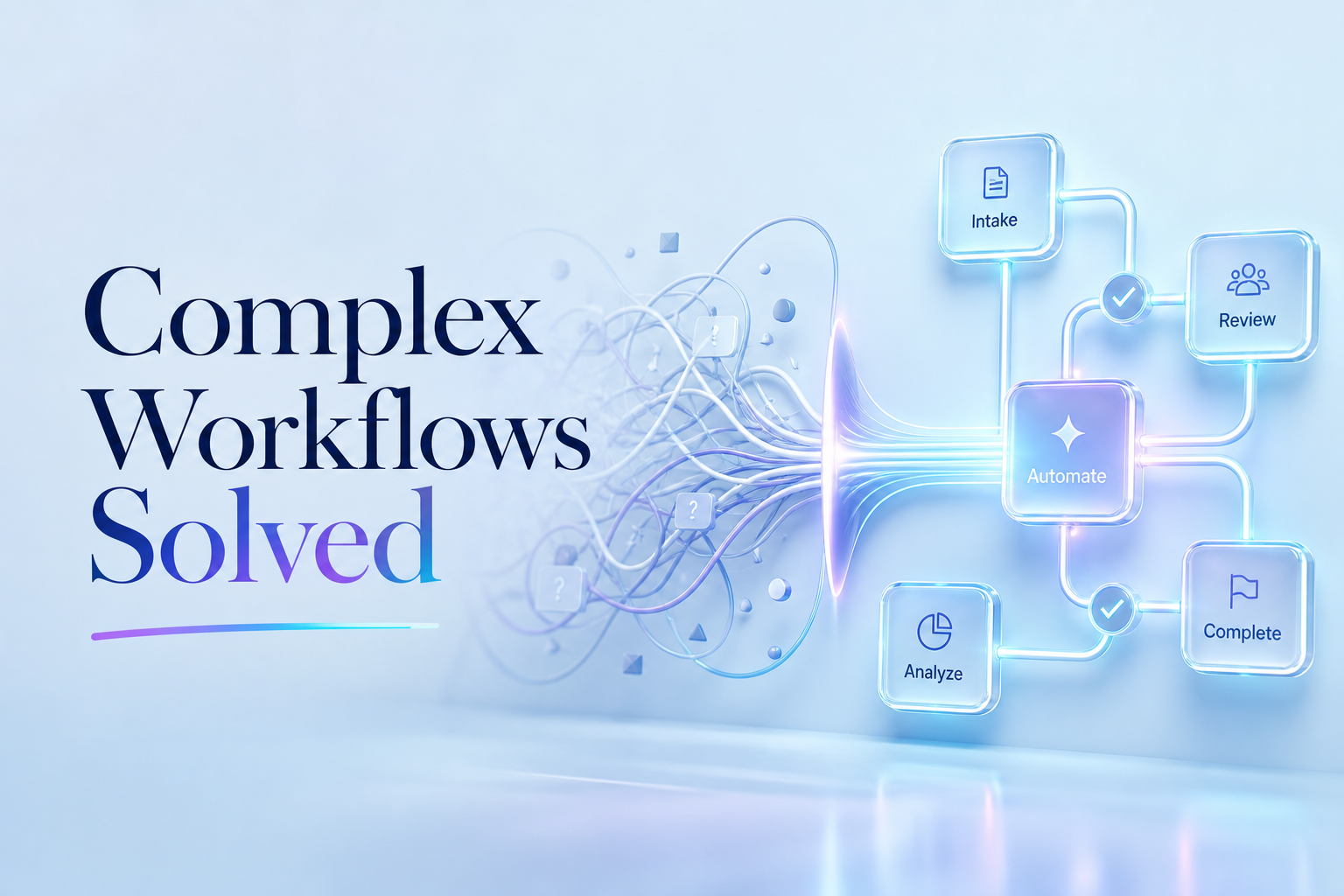
Integration layers that connect ERPs, CRMs, e-commerce systems, payment gateways, and BI tools, so information flows between the systems you already run without manual rekeying.

03

Legacy Modernization & Takeover

Audits, stabilization, test coverage, and incremental modernization of systems other teams built. You learn the real state of the codebase and the data before committing to a roadmap.

04

Data Platforms & BI Dashboards

Unified data models, reporting pipelines, and role based dashboards that replace spreadsheet sprawl with one trusted source for sales, finance, and operations.

05

AI Powered Enterprise Software & Agents

RAG search over company data, document automation, and autonomous agents embedded in real workflows, with the guardrails and evaluation infrastructure production AI needs.

06

Security, Compliance & Access Control

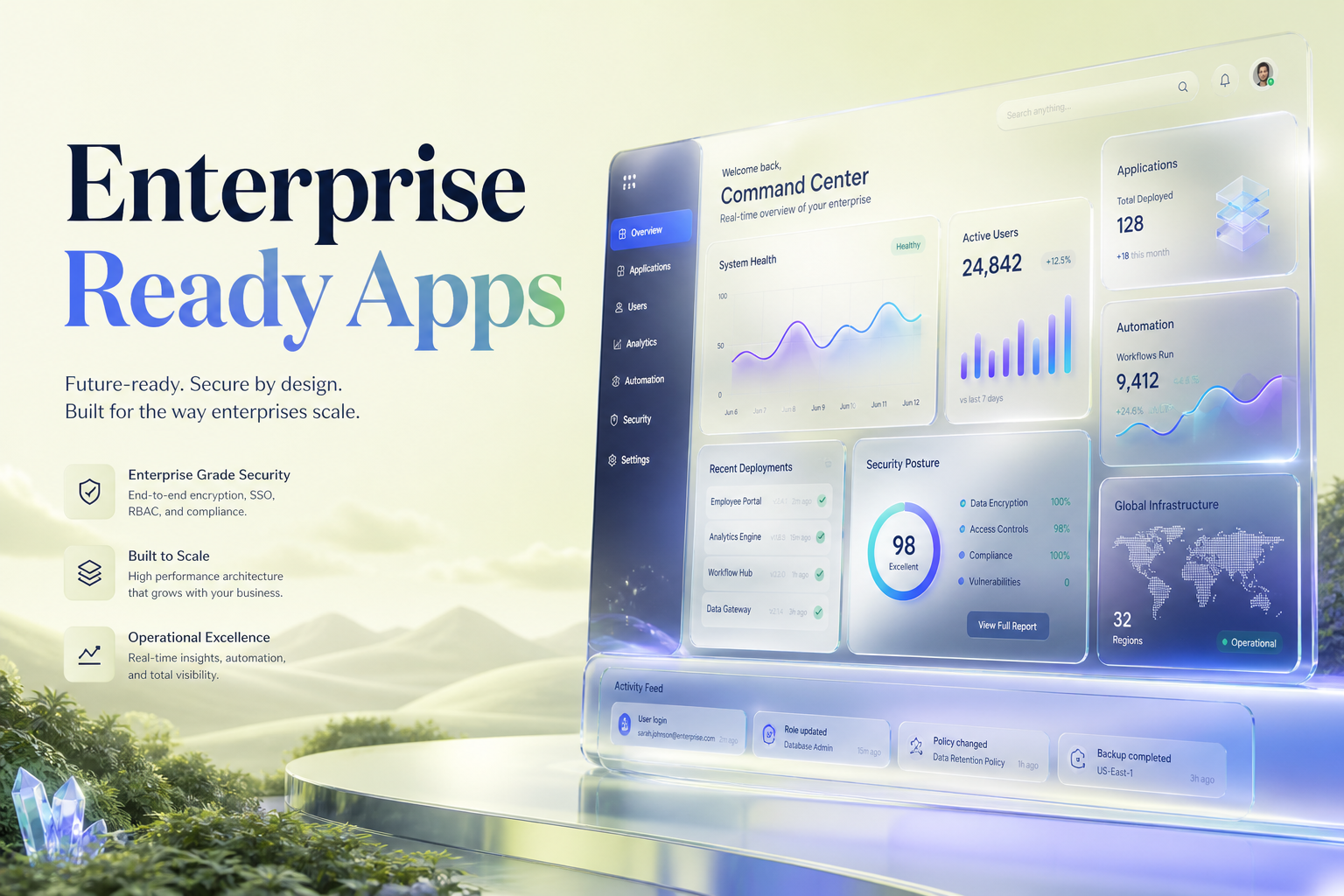
Role based access control, encryption, and per record audit trails, delivered under an ISO/IEC 27001:2022 certified ISMS and aligned with GDPR, in cloud accounts you own.

Ready to explore what AI can do for your business?

Tell Quantum Infoway about your workflow — we will propose a scoped next step.
Talk to an Expert
Technology We Work With

Stack Quantum Infoway works in

Core

PythonTypeScriptAWSOpenAI
Our Work

Work we have shipped

Replaced three fragmented systems with one sales and finance platform for a dive

Replaced three fragmented systems with one sales and finance platform for a diversified manufacturer

  • Distributor ordering for complex industrial catalogs
  • Search and filtering tuned to technical specs and part numbers
  • Field-ready layouts for tablet use on-site
35%Faster orders
2xDiscovery speed
40%Fewer support queries
Built a digital wealth onboarding platform for high-net-worth clients

Built a digital wealth onboarding platform for high-net-worth clients

  • Compliant product surfaces for regulated financial workflows
  • Onboarding and transaction flows built for trust and clarity
  • Monitoring and ops views that keep support teams in control
RegulatedFintech UX
SecureFlows
LiveOps views
Built a unified School ERP and learning platform serving 15,000+ students at one

Built a unified School ERP and learning platform serving 15,000+ students at one of the largest charter schools in California

  • Unified AI learning platform across web and mobile for diverse student populations
  • Adaptive English tutoring and real-time question answering for non-native speakers
  • Compliance agents that review attendance, generate PDFs, and route for signature
15k+Students served
25%Faster English gains
97%Less compliance effort
Guide

How Quantum Infoway thinks about this work

What is enterprise application development?

Enterprise application development is the design, engineering, and long-term maintenance of software built for how a growing company or large organization actually operates: custom platforms, internal business systems, integrations across existing tools, and AI powered workflows. Unlike a single team app, an enterprise application serves many concurrent users, connects to systems like ERPs and CRMs, enforces role based access and audit trails, and stays maintainable for years.

Build a Custom Enterprise Application or Buy a Suite

A custom enterprise application is built for one organization and its exact operations, instead of licensing a generic suite and bending the business around it. It is not always the right answer, and a partner who says otherwise is selling. This is the decision pattern we walk enterprise teams through.

Enterprise Application Examples by Industry

The pattern behind enterprise application development is the same everywhere. Take a workflow the business runs on spreadsheets, phone calls, and disconnected tools, and replace it with one system the whole organization trusts. What changes by industry is the workflow and the compliance posture. These are shipped enterprise applications Quantum Infoway has delivered, by industry.

How We Run an Enterprise Application Build

Every engagement follows the same shape, tuned to your integration and compliance needs.

Ready to explore what AI can do for your business?

Tell Quantum Infoway about your workflow — we will propose a scoped next step.

Talk to an Expert

FAQ

Enterprise Application Development Built to Scal FAQs

What is enterprise application development?
Enterprise application development is the design, engineering, and maintenance of software built for the operations of a growing company or large organization: multi role platforms, internal business systems, integrations between existing tools, and AI powered workflows. Unlike a single team app, an enterprise application has to handle many concurrent users, connect to systems like ERPs and CRMs, enforce role based access and audit trails, and stay maintainable for years. We cover the full cycle: discovery, UX, architecture, engineering, QA, deployment, and ongoing support.
How much does enterprise application development cost?
At our published estimate ranges, a mid sized multi role platform costs $50,000 to $150,000, and enterprise systems cost $150,000 to $300,000 and up, at a blended rate of $25 to $50 per hour. US agencies typically quote 3 to 5 times more for identical scope. Cost is driven by the number of integrations, the depth of role based permissions, compliance review, and the volume of legacy data to migrate, more than by feature count. Our software cost guide breaks down the numbers and includes a calculator.
How long does enterprise application development take?
A mid sized platform takes 4 to 8 months and an enterprise system 8 to 18 months. Timeline is driven more by integrations, compliance review, data migration, and decision speed than by feature count. We ship working software in increments from the first weeks, with a staging environment you can click through every sprint, rather than a single delivery at the end.
Should we build a custom enterprise application or buy a suite?
Buy an off the shelf suite when a mature product already fits 80% or more of the workflow and that workflow is not where you compete. Build custom when the process IS the business, when per seat licence fees scale painfully with headcount, when the suite forces workarounds that cost real hours every week, or when you need to own the data model and the release schedule. Many enterprises run a hybrid: a suite for commodity functions, custom software for the core that differentiates them.
Do you do enterprise mobile app development?
Yes. We build the mobile layer of enterprise software. Field and operations apps, distributor and customer ordering apps, and manager dashboards that read and write the same data as the core platform. Builds are native iOS and Android or cross platform Flutter and React Native, with offline first sync, single sign on, and per role permissions. Shipped examples include the Highlands web and mobile learning platform serving 15,000+ students and the Instant-Ex money transfer app rated 4.2 stars on Google Play.
Can you build the mobile app and the enterprise platform together?
Yes, and it is usually the better path. One team owning the platform, the APIs, and the mobile apps means one data model, one release plan, and no integration finger pointing between suppliers. The mobile app stays a live window into enterprise data instead of another system to reconcile. It also cuts total cost, because the backend, admin dashboards, and mobile clients share architecture, infrastructure, and a single QA pipeline.
How do you integrate with our existing systems like ERP and CRM?
Through a dedicated integration and middleware layer. We connect ERPs, CRMs, e-commerce systems, payment gateways, and BI tools over their APIs or event streams, so data flows between the systems you already run without manual rekeying. Where a system has no clean API, we build adapters and reconciliation jobs. The goal is one trusted data model across the business instead of spreadsheets bridging the gaps.
How do you handle security and compliance for enterprise software?
Security is built in, not added later. We operate an ISO/IEC 27001:2022 certified Information Security Management System and align our handling of personal data with the EU General Data Protection Regulation (GDPR). Enterprise builds include role based access control, encryption in transit and at rest, per record audit trails, and security review as part of the build. We run everything in cloud accounts you own and control, and hand over full source and documentation.
Do you modernize or take over legacy enterprise applications?
Yes. A large share of our work is inheriting systems other teams built: stabilizing them, adding test coverage, untangling legacy integrations, and modernizing incrementally rather than risking a single big rewrite. We start with a technical audit so you know the real state of the codebase and the data before committing to a roadmap.
What technologies do you build enterprise applications with?
Java Spring Boot, Node.js, Python, React, Next.js, and TypeScript on the application side; PostgreSQL and Redis for data; AWS and Google Cloud for infrastructure, with Docker and Kubernetes where the scale calls for it; and AI integration with Claude, GPT, and Gemini where it earns its place. For data heavy products we also build on Xano as an Enterprise tier partner, which can cut backend cost and timeline meaningfully.