Q

Quantum Infoway

Fintech App Development

Fintech App Development Company

We build the software that moves money, verifies identity, and keeps regulators satisfied, from payments and lending to neobanking, wealthtech, and insurtech. Security first, ISO 27001 certified.

AI-native delivery Senior oversight Production focus
150+Happy Clients
12+Years Delivery
13+Countries Served
24hResponse Window
How We Work

Delivery that holds up in production

We build the software that moves money, verifies identity, and keeps regulators satisfied, from payments and lending to neobanking, wealthtech, and insurtech. Security first, ISO 27001 certified.

What We Deliver

Fintech App Development Company Quantum Infoway ships

01

Digital Wallets & Payments

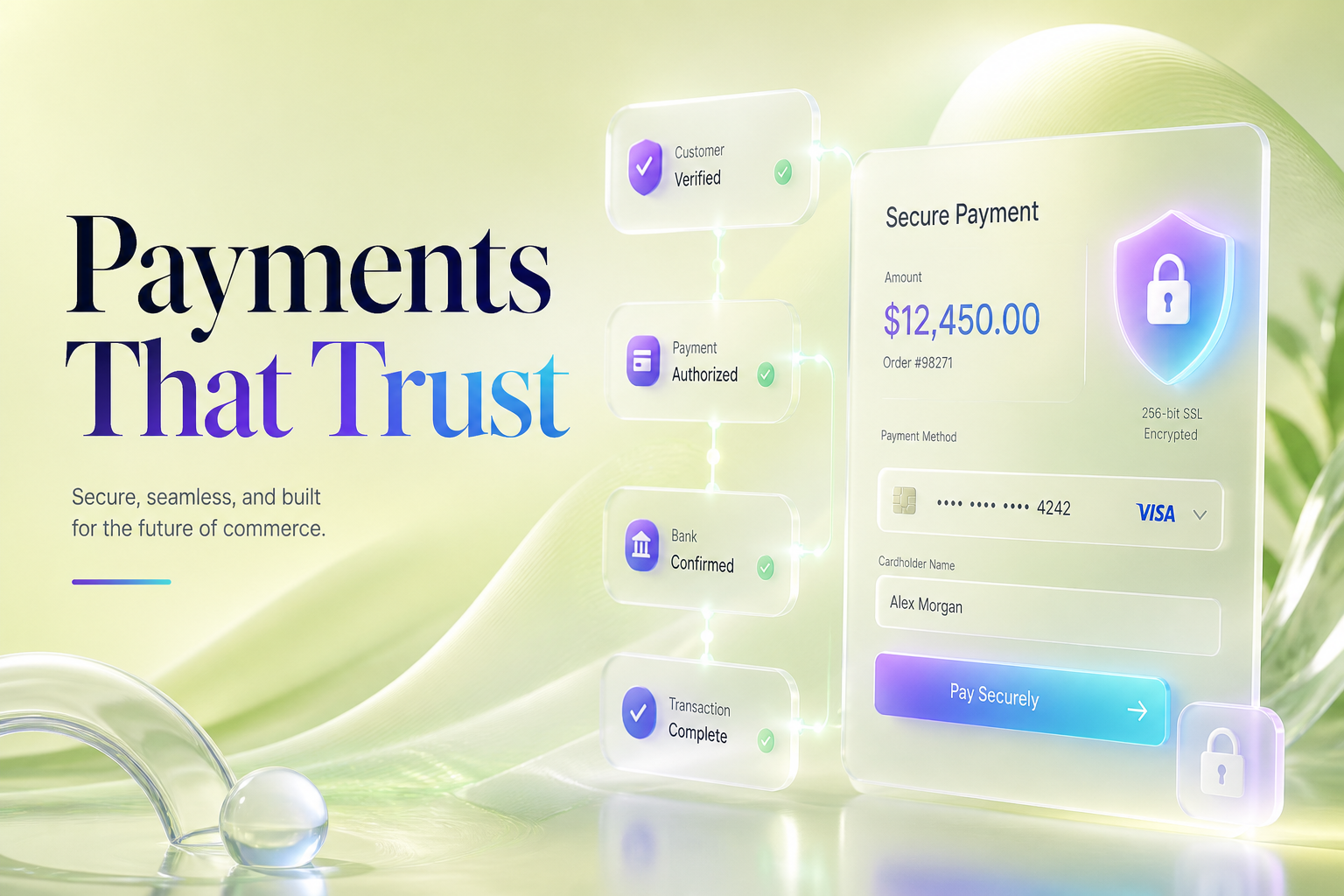
Wallet infrastructure, checkout flows, and payment processing built on Stripe and partner processors, with tokenized card handling.

02

Lending & BNPL

Embedded lending, buy now pay later, and credit decisioning with the risk and compliance controls the product needs.

03

Neobanking & Digital Banking

Digital banking front ends on banking as a service infrastructure, from onboarding to accounts and cards.

04

Wealthtech & Robo-Advisory

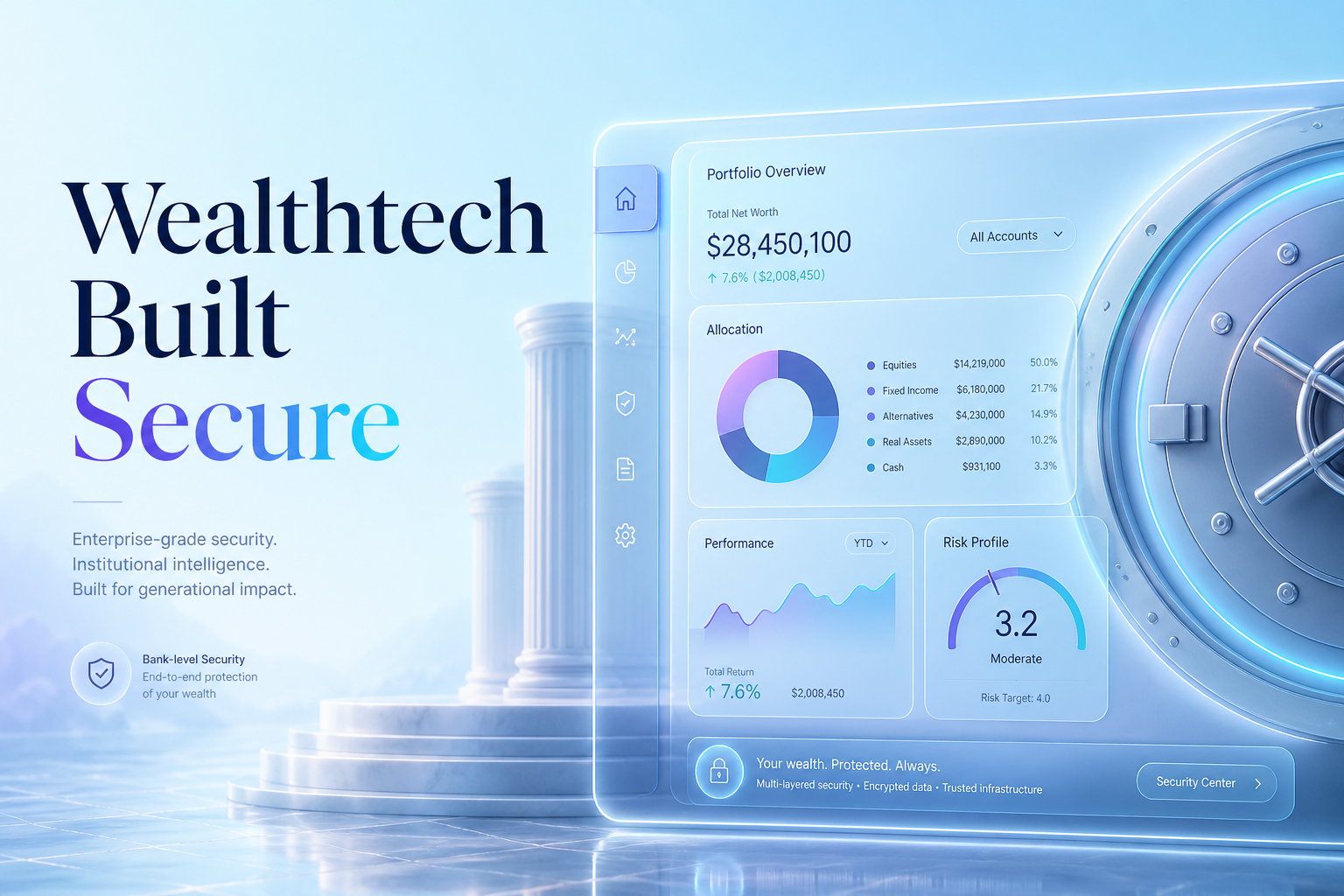
Onboarding, KYC, portfolio, and investment platforms, proven on our digital wealth onboarding work.

05

Insurtech Platforms

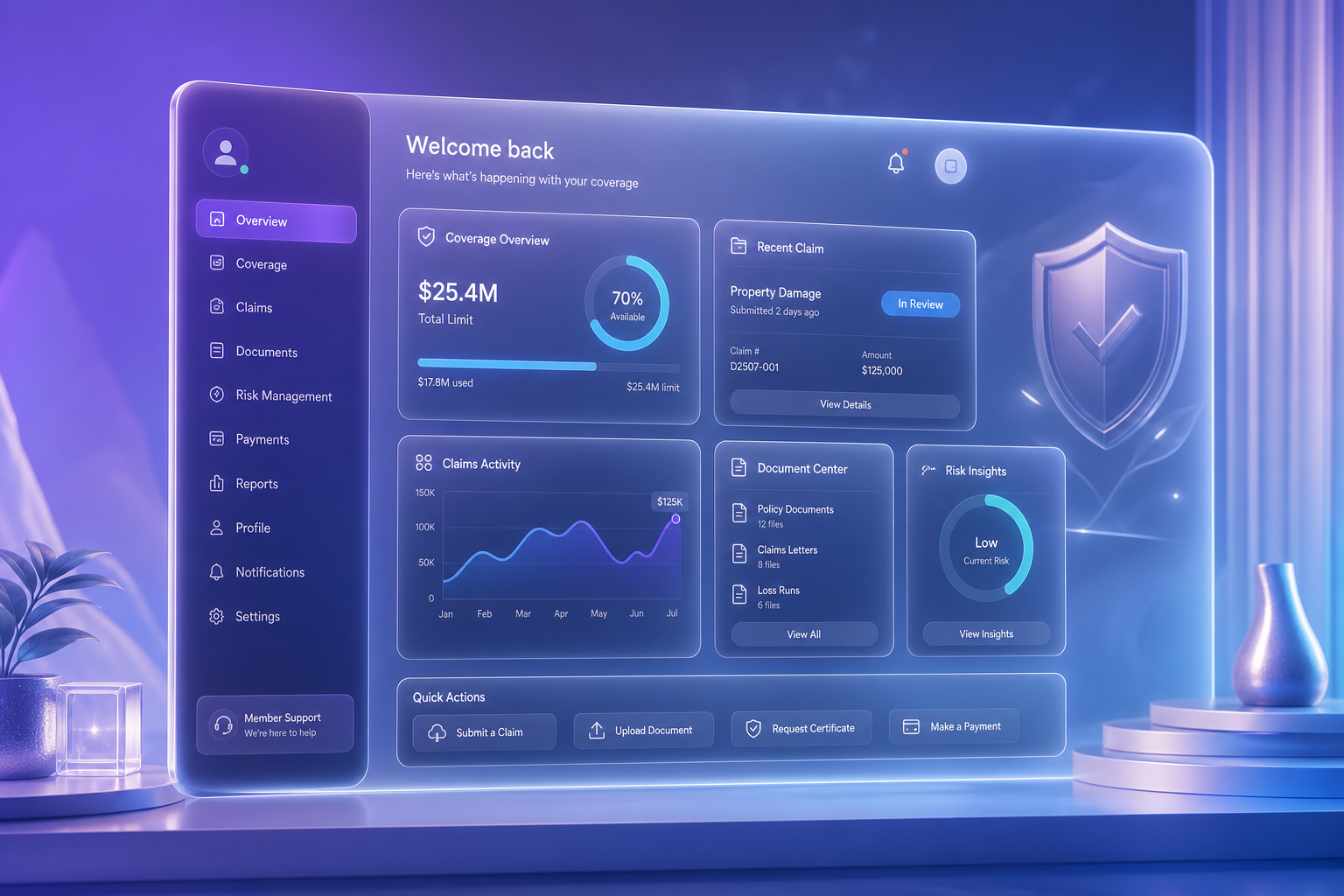
Member onboarding, claims, and community on one identity, proven on our captive insurance member platform.

06

Embedded Finance & APIs

Payments, lending, and accounts embedded inside non fintech products through clean, well governed APIs.

Build your fintech product with a security first team

Tell us what you are building and which regulations apply. We will get back to you within one business day.

Talk to an Expert
Technology We Work With

Stack Quantum Infoway works in

Core

PythonTypeScriptAWSOpenAI
Our Work

Work we have shipped

A captive insurance member platform unifying onboarding, claims, and community

A captive insurance member platform unifying onboarding, claims, and community

  • Case intake and workflow designed for complex multi-party processes
  • Document and status tracking that keeps every participant aligned
  • Secure portals with role-based access and clear next actions
Multi-partyWorkflows
SecurePortals
ClearStatus
Digital wealth onboarding cut from days of paperwork to hours

Digital wealth onboarding cut from days of paperwork to hours

  • Compliant product surfaces for regulated financial workflows
  • Onboarding and transaction flows built for trust and clarity
  • Monitoring and ops views that keep support teams in control
RegulatedFintech UX
SecureFlows
LiveOps views
An investor portfolio intelligence platform with tiered, closed access

An investor portfolio intelligence platform with tiered, closed access

  • Secure, tiered access for regulated financial audiences
  • Clear money-movement and portfolio flows on mobile and web
  • Compliance-aware UX through every critical step
SecureAccess tiers
MobileReady
RegulatedFlows
Guide

How Quantum Infoway thinks about this work

What does a fintech app development company do?

A fintech app development company builds the software that moves money, manages risk, and keeps regulators satisfied. Payments and wallets, lending and BNPL, neobanking, wealth and investment platforms, insurtech, and the APIs that embed finance inside other products. The work is different from ordinary app development in one way that matters. Every feature touches money, identity, or sensitive data, so security and compliance are part of the build from the first sprint, not a review at the end.

Why Fintech Builds Fail Without Compliance First

Most fintech products stall not on features but on the security and regulatory work that was left for later. Here is the difference in how we build.

How Long Does It Take to Build a Fintech App?

A focused fintech MVP that proves one core flow, such as onboarding with KYC or a single payment path, typically takes a few months. A full platform with multiple money movements, compliance controls, and integrations takes longer. The variable that moves the timeline most is not the feature list. It is the compliance surface. A product that stores card data, moves funds, or handles regulated financial records needs security and audit work that a simple consumer app does not, and that work is not optional.

What Does It Cost to Build a Fintech App?

Industry ranges for a serious fintech product run from roughly 80,000 dollars for a narrow MVP to several hundred thousand for a full platform, and more for anything with heavy regulatory scope. Our own published estimates start at 15,000 dollars for tightly scoped MVP work at a blended rate of 25 to 50 dollars per hour, well below the 150 to 250 dollars per hour that comparable US agencies charge. The honest driver of cost is the compliance and security surface, so we scope a fixed estimate against your real product rather than quoting a template.

How Do You Handle Security and Compliance?

We treat compliance as an engineering requirement, not paperwork. Depending on your product we build for:

Build your fintech product with a security first team

Tell us what you are building and which regulations apply. We will get back to you within one business day.
Talk to an Expert

FAQ

Fintech App Development Company FAQs

How much does it cost to build a fintech app?
Industry ranges run from roughly 80,000 dollars for a narrow MVP to several hundred thousand for a full platform. Our own published estimates start at 15,000 dollars for tightly scoped MVP work at a blended rate of 25 to 50 dollars per hour. The main cost driver is the compliance and security surface, so we scope a fixed estimate against your real product.
How do you handle regulatory compliance such as PCI DSS, KYC, and AML?
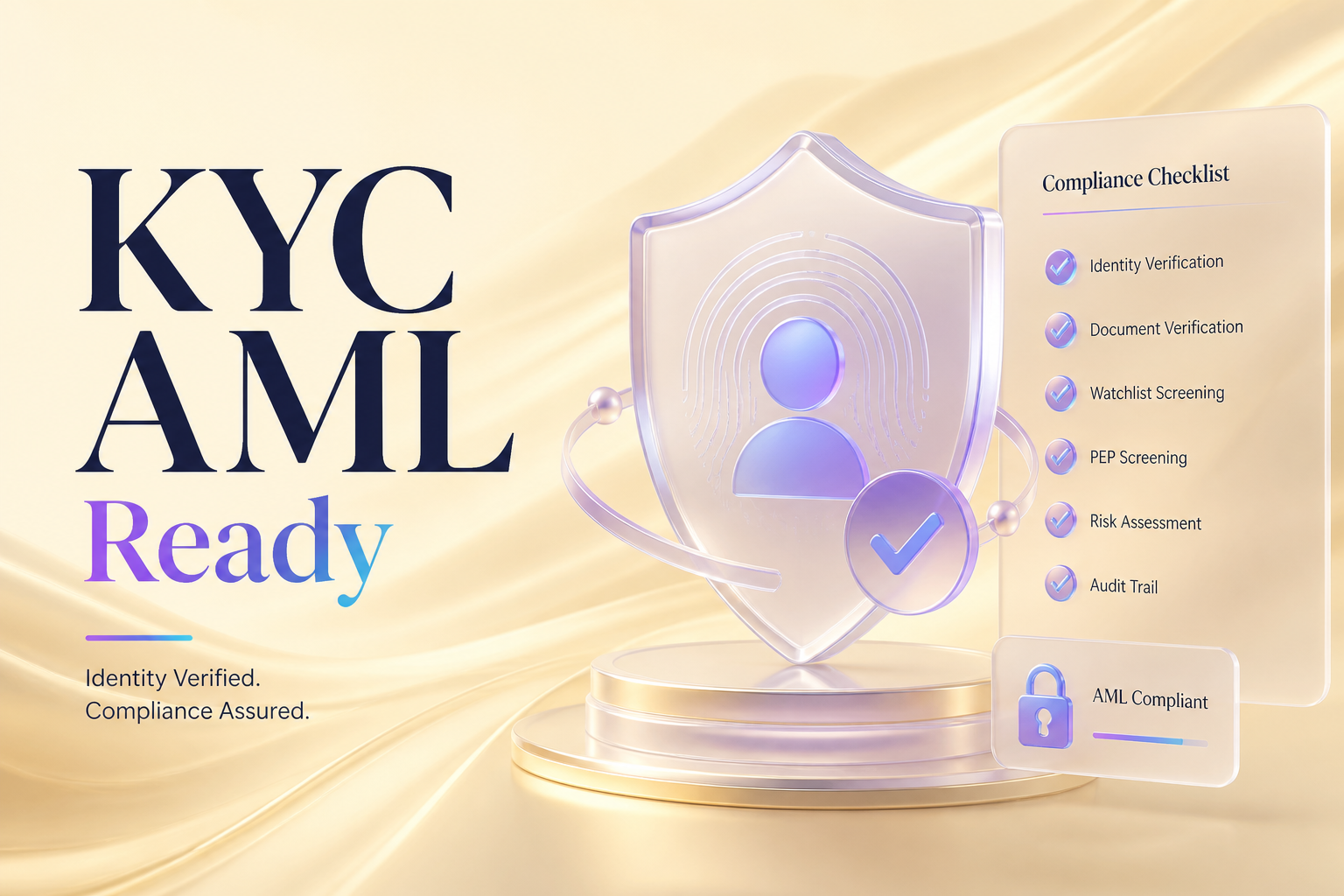
We treat compliance as an engineering requirement. We build for PCI DSS 4.0 with tokenization so raw card data never sits in your systems, integrate KYC and AML providers such as Onfido and ComplyAdvantage for identity verification and transaction monitoring, and design data protection under GDPR and CCPA with encryption, role based access, and audit logging. We scope which standards apply in the first phase.
Are you PCI DSS and ISO certified?
We are certified to ISO/IEC 27001:2022 and ISO 9001:2015, and we are GDPR compliant. We build for PCI DSS and HIPAA workloads, meaning we engineer to those requirements and work within a partner or processor environment that carries the formal certification. We do not claim PCI DSS certification ourselves, and we are clear about that distinction.
Which payment and banking APIs do you integrate?
We integrate the infrastructure your product needs rather than pushing one vendor. Stripe and similar processors for payments and checkout, account aggregation and open banking connections for balances and transactions, banking as a service providers for neobanking front ends, and KYC and AML providers for onboarding. Where a partner bank or processor is chosen, we build to their APIs.
How long does a fintech MVP take to build?
A focused MVP that proves one core flow, such as onboarding with KYC or a single payment path, typically takes a few months. The variable that moves the timeline most is the compliance surface rather than the feature list, which is why we scope regulatory requirements and design controls up front instead of retrofitting them.
Can you take over or secure an existing fintech app?
Yes. We audit an inherited codebase for security and architecture risk, close the gaps that matter, and stabilize it before adding features. If an early version was built on a no-code or AI assisted stack and hit a wall on control, cost, or compliance, we can secure it, scale it, or migrate the parts that need to move onto a system you own.
How do you protect financial data and prevent fraud?
We encrypt data in transit and at rest, enforce role based access, and log for audit. We use passwordless and passkey authentication with biometric and multi factor options as the baseline, tokenize card data so it never sits raw in your systems, and integrate transaction monitoring for fraud and AML. Critical actions run through checkpoints so a person stays in control.
Do you build for US financial regulations specifically?
Yes. We build for the US open banking landscape, including the CFPB Section 1033 data access rule, and design KYC, AML, and money movement flows to the standards a US product needs. We have shipped a member insurance platform for a US client and work with US partner banks and processors where they are already in place.