Q

Quantum Infoway

AI Agents That

AI Agents That Work in Production, Not Just in Demos

We build autonomous agents that handle multi-step business workflows - processing documents, managing orders, automating compliance - with the guardrails and reliability that production environments demand.

AI-native delivery Senior oversight Production focus
150+Happy Clients
12+Years Delivery
13+Countries Served
24hResponse Window
How We Work

Delivery that holds up in production

We build autonomous agents that handle multi-step business workflows - processing documents, managing orders, automating compliance - with the guardrails and reliability that production environments demand.

What We Deliver

AI Agents That Work in Production Quantum Infoway ships

01

Demo Agent

Clean Input, Happy Path

02

Production Agent (How We Build)

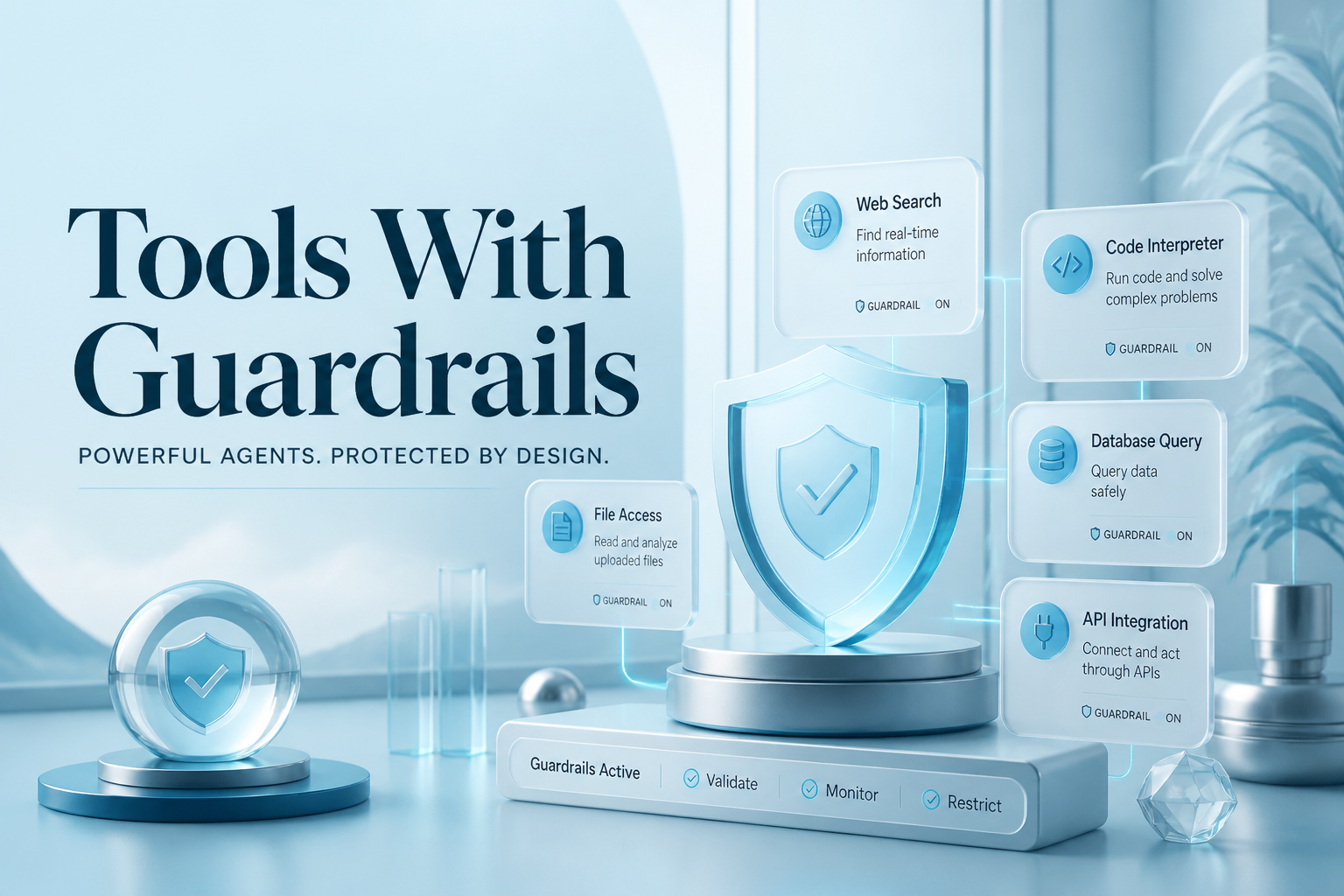
Input Validation & Guardrails

03

Workflow Automation Agents

Agents that execute multi-step processes across systems - triggering from events, pulling data, processing it, updating records, and notifying stakeholders.

04

Document Intelligence Agents

Extract, classify, validate, and route information from documents - invoices, contracts, compliance filings - into structured, system-ready output.

05

Conversational Commerce Agents

AI agents on WhatsApp, web, and voice that take orders, confirm transactions, check availability, and escalate to humans when needed.

06

Multi-Agent Systems

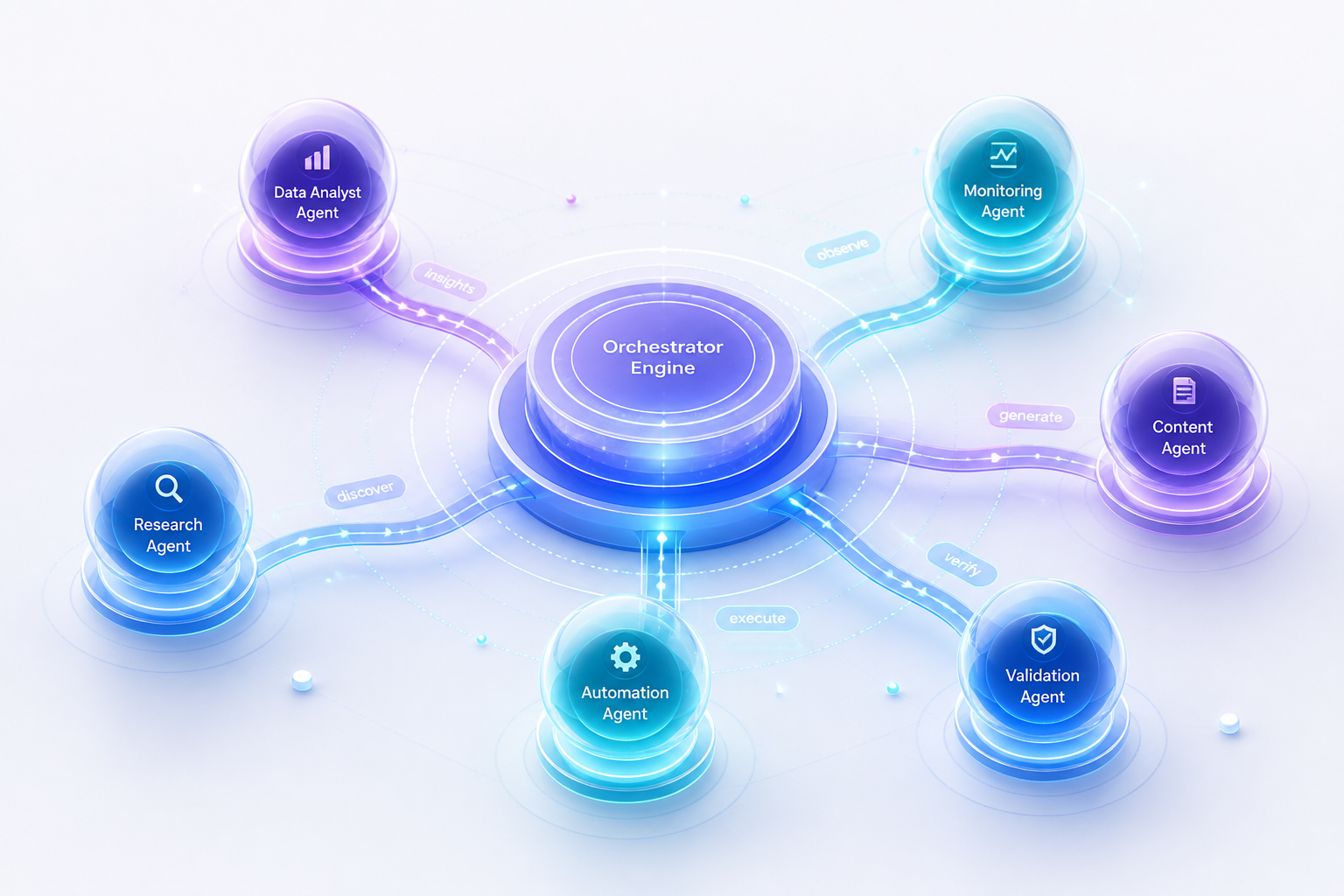
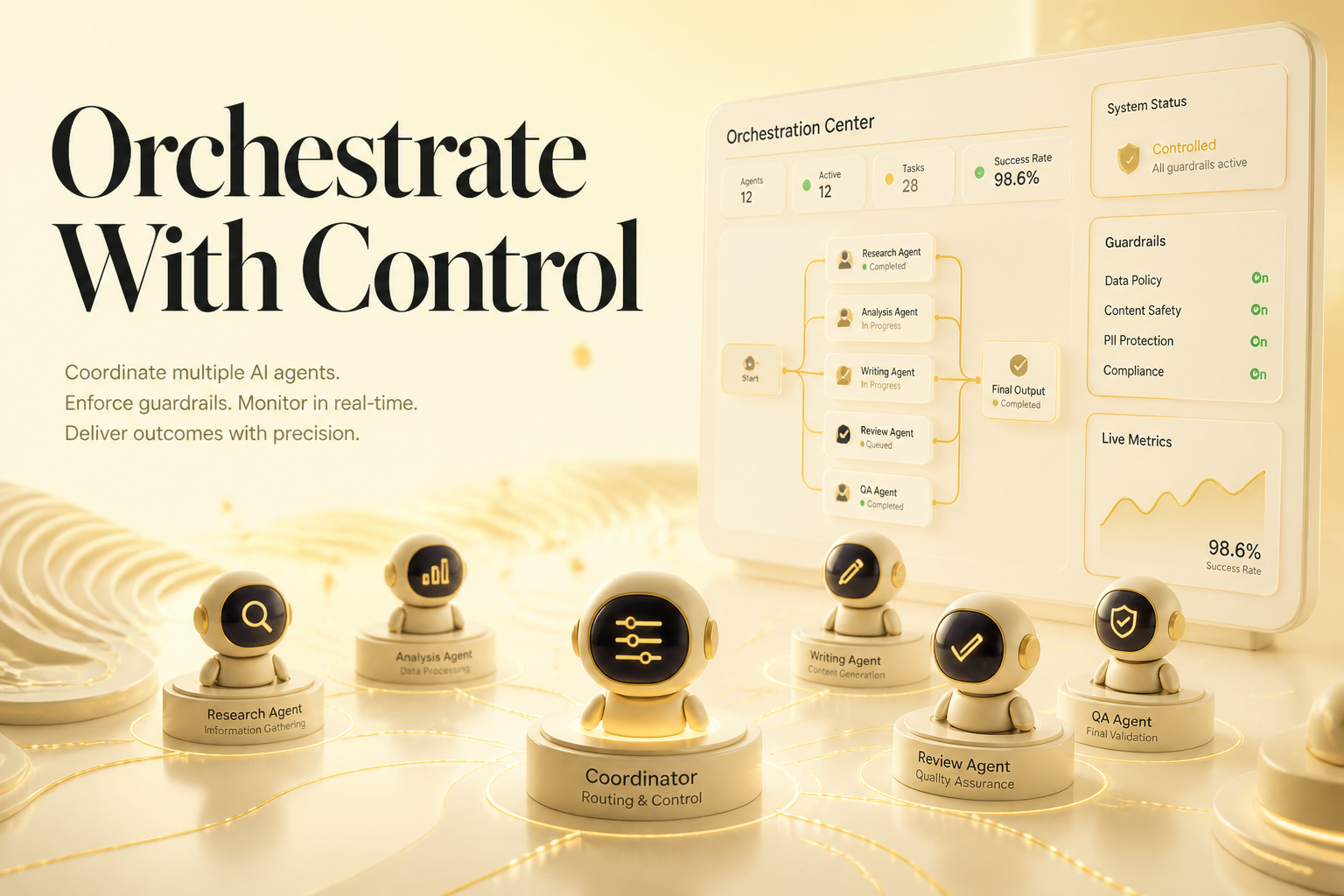
Workflows where specialized agents collaborate - one researches, another analyzes, a third drafts, a supervisor validates. For tasks too complex for a single agent.

Let's Build The Next Big Thing

Fill in the form or schedule a meeting to map out a path to success.
Talk to an Expert
Technology We Work With

Stack Quantum Infoway works in

Core

PythonTypeScriptAWSOpenAI
Our Work

Work we have shipped

Built two WhatsApp AI agents and optimised cloud costs for a B2B logistics opera

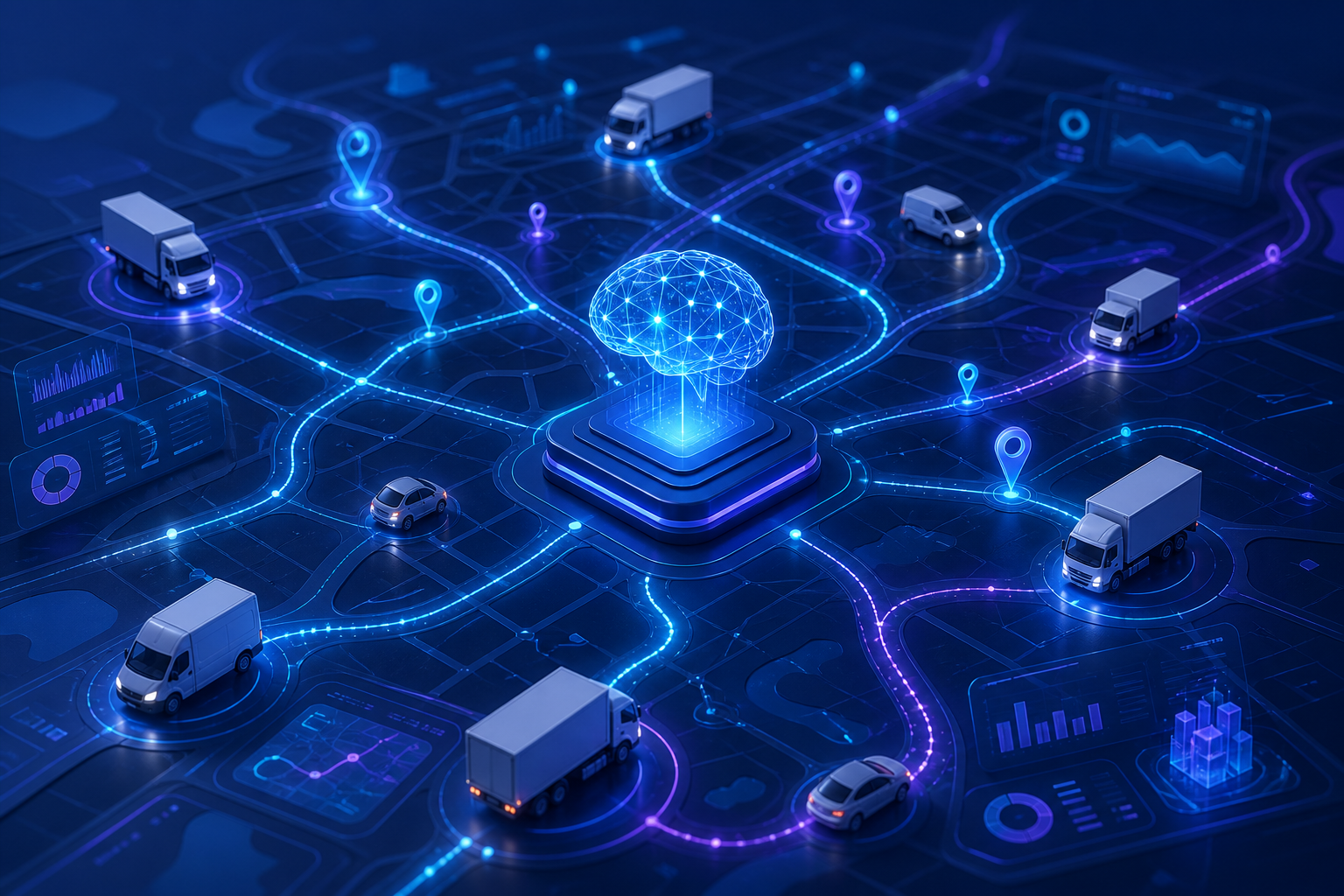
Built two WhatsApp AI agents and optimised cloud costs for a B2B logistics operator

  • Centralized tracking that replaced spreadsheet-driven fleet ops
  • Live status views for dispatchers and field teams
  • Reliable mobile and web surfaces for day-to-day operations
LiveFleet tracking
LessManual ops
Mobile+ web
Built an AI property-operations platform with ticket triaging and computer-visio

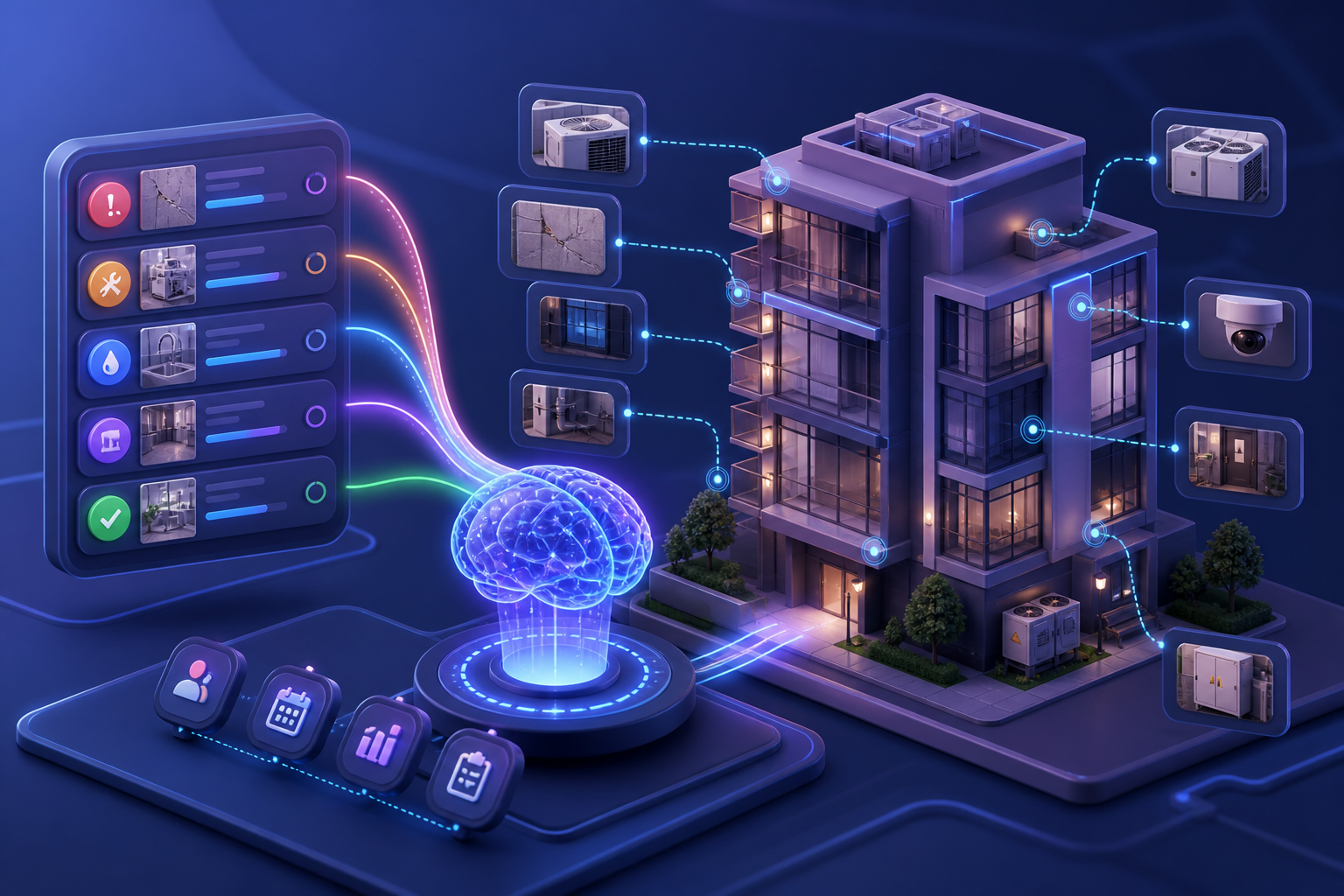
Built an AI property-operations platform with ticket triaging and computer-vision asset tagging

  • AI ticket triaging that routes property issues to the right ops owners
  • Computer-vision asset tagging to keep inventory and condition data current
  • Operations workflows built for multi-property teams in production
FasterTicket routing
CVAsset tagging
LiveIn production
Built demand forecasting, dynamic pricing and the QueryAI analytics bot for D2C

Built demand forecasting, dynamic pricing and the QueryAI analytics bot for D2C brands

  • Marketplace analytics unified for sellers beyond static dashboards
  • AI assistant for natural-language questions on sales and inventory data
  • Pricing and demand signals that surface actionable next steps
50%Faster reporting
30%Fewer stockouts
25%Pricing accuracy
Built the AI-led engineering platform Quantum Infoway runs on internally

Built the AI-led engineering platform Quantum Infoway runs on internally

  • AI-led engineering workflows for delivery, review, and documentation
  • Internal task and sprint systems tuned for multi-client delivery teams
  • Production practices the same team applies on client engagements
InternalAI platform
FasterDelivery loops
SharedTeam playbooks
Guide

How Quantum Infoway thinks about this work

Why We Build Agents Differently

Gartner predicts more than 40% of agentic AI projects will be cancelled by 2027 - mostly from unclear value, runaway cost, and weak governance. The gap between a working demo and a production agent is where most projects stall. We close that gap because we build and operate agents for our own teams first.

What is agentic AI, and how is it different from a chatbot?

A chatbot answers. An agent acts. Agentic AI describes systems that take a goal, plan the steps, call tools and APIs to get real work done, check their own progress, and only finish when the task is complete. A chatbot tells a customer how to reset a subscription. An agent resets it, confirms the change in the billing system, and reports back. The shift from answering to doing is what makes agents valuable and also what makes them harder to build responsibly.

What can an AI agent actually do on its own?

The agents that pay off handle multi step work that used to need a person to shepherd it. Triaging and resolving support tickets end to end, reconciling data across systems, researching and drafting, running an operations workflow that touches several tools, or answering questions grounded in your own knowledge and then taking the follow up action. The right first target is a workflow that is too varied for fixed rules but repetitive enough that your team resents doing it by hand. Quantum Infoway built exactly this for Sergo, an AI property operations platform where an agent triages maintenance tickets and computer vision tags assets at 92% accuracy, cutting operational overhead 60%.

Why do most agent projects stall after the demo?

Because a demo only has to work once, and a product has to work every time. The gap is almost always evaluation and observability. Without an eval suite that measures whether the agent does the right thing across many cases, and without tracing that shows what it did on any given run, an impressive prototype cannot be trusted in production and cannot be improved safely. Quantum Infoway treats evals and monitoring as part of the build, not an afterthought, which is what lets an agent move from a convincing demo to something you can actually rely on.

How do you keep an autonomous agent safe?

With boundaries and a person on the critical path. We scope exactly which tools an agent can call and what it is allowed to do with each, put human in the loop approval in front of anything irreversible, and build in retries and graceful degradation so a failure escalates rather than silently corrupts data. Every run is logged and traceable, and the agent operates inside the same encryption, access control, and audit standards as the rest of your systems.

Let's Build The Next Big Thing

Fill in the form or schedule a meeting to map out a path to success.
Talk to an Expert

FAQ

AI Agents That Work in Production FAQs

What are agentic AI development services?
Agentic AI development services build autonomous AI systems that reason about goals, use tools, and execute multi-step workflows - not just answer questions. That spans scoping the use case, building the agent with guardrails and human-in-the-loop escalation, integrating it with your existing tools, and monitoring it in production. Adoption is accelerating: Gartner expects 40% of enterprise applications to include task-specific AI agents by the end of 2026, up from less than 5% in 2025, and the agentic AI market is already worth roughly $10 billion and growing more than 40% a year.
What is the difference between an AI agent and a chatbot?
A chatbot follows predefined conversation flows and responds to specific inputs. An AI agent reasons about goals, uses tools, makes decisions, and executes multi-step actions autonomously. A chatbot tells a customer their order status. An agent processes a return, updates inventory, issues a refund, and notifies the warehouse - all without human intervention unless it encounters something outside its defined scope.
How do you ensure AI agents are reliable in production?
Three layers. First, guardrails that define what the agent can and cannot do - boundaries are set before deployment, not discovered after. Second, human-in-the-loop escalation so the agent recognizes uncertainty and routes to a person with full context. Third, continuous monitoring of accuracy, cost, and user satisfaction post-launch. We test extensively before go-live and iterate based on real usage data.
What does it cost to build a custom AI agent?
Cost depends on complexity. A single-purpose document processing agent is a different scope than a multi-agent system orchestrating across five enterprise tools. Our AI Adoption Discovery program (3 weeks) assesses your use case, builds a working proof-of-concept, and gives you a clear picture of scope and investment before you commit to a full build.
Can AI agents integrate with our existing tools and systems?
Yes. Agents connect to your CRM, ERP, databases, communication tools, and internal platforms through APIs. Common integrations include Salesforce, HubSpot, Slack, WhatsApp, Google Workspace, and custom enterprise systems. The agent becomes a layer that operates across your existing tools - not a replacement for any of them.
How long does it take to build and deploy an AI agent?
A focused proof-of-concept for a single use case takes 3-4 weeks. A production-grade agent with full integration, testing, and monitoring runs 8-12 weeks. Multi-agent systems are phased over 3-6 months. Our AI Adoption programs provide structured entry points for assessment and prototyping.
What happens when the AI agent cannot handle something?
Every agent we build includes human-in-the-loop escalation paths. When the agent encounters uncertainty, ambiguous input, or a scenario outside its defined scope, it routes to a human with full context of the conversation and every action attempted. No dead ends for users, no silent failures for your team.
Why do so many agentic AI projects fail - and how do you prevent it?
Gartner predicts more than 40% of agentic AI projects will be cancelled by the end of 2027 - mostly from unclear business value, runaway cost, and weak governance. We prevent that with a 3-week AI Adoption Discovery that proves business value on a working proof-of-concept before a full build, then ship with guardrails, cost controls, human-in-the-loop escalation, and continuous monitoring. That is the difference between a demo and a production agent.
Do you work with US companies?
Yes. Most of our clients are in the USA, and we maintain a US presence for contracts and billing. Engineering is delivered from our Ahmedabad hub with a guaranteed overlap of up to 4 hours with your US business hours, and full US hours coverage is available as an add on. Invoicing is in USD, with euro and INR invoicing also available, and every engagement includes full IP assignment, NDAs before discovery, and delivery under our ISO/IEC 27001:2022 certified information security management system. US clients include Highlands Community Charter in California, ABC Carpet and Home in New York, Deep Meditate, and Choice Digital.
What does agentic AI development cost for US companies?
Our USD rates for agentic AI development run $25 to $50 per hour depending on seniority and stack, a fraction of the $150 to $300 per hour US specialists typically bill for comparable scope. We work on both fixed scope and retainer models. Fixed scope projects get an estimate before work starts, and most clients choose a retainer, which keeps the team building against your current priorities as requirements change.