AI & Technology Insights
Guides, comparisons, and engineering practice from the team behind 250+ shipped products, written by named engineers.
Explore by category
Jump into the subjects our engineers write about most.


Latest from the field
Recent guides and comparisons — each linked to the Quantum Infoway service that matches the topic.
Filter by topic
Browse every insight. Cards open the related Quantum Infoway service.
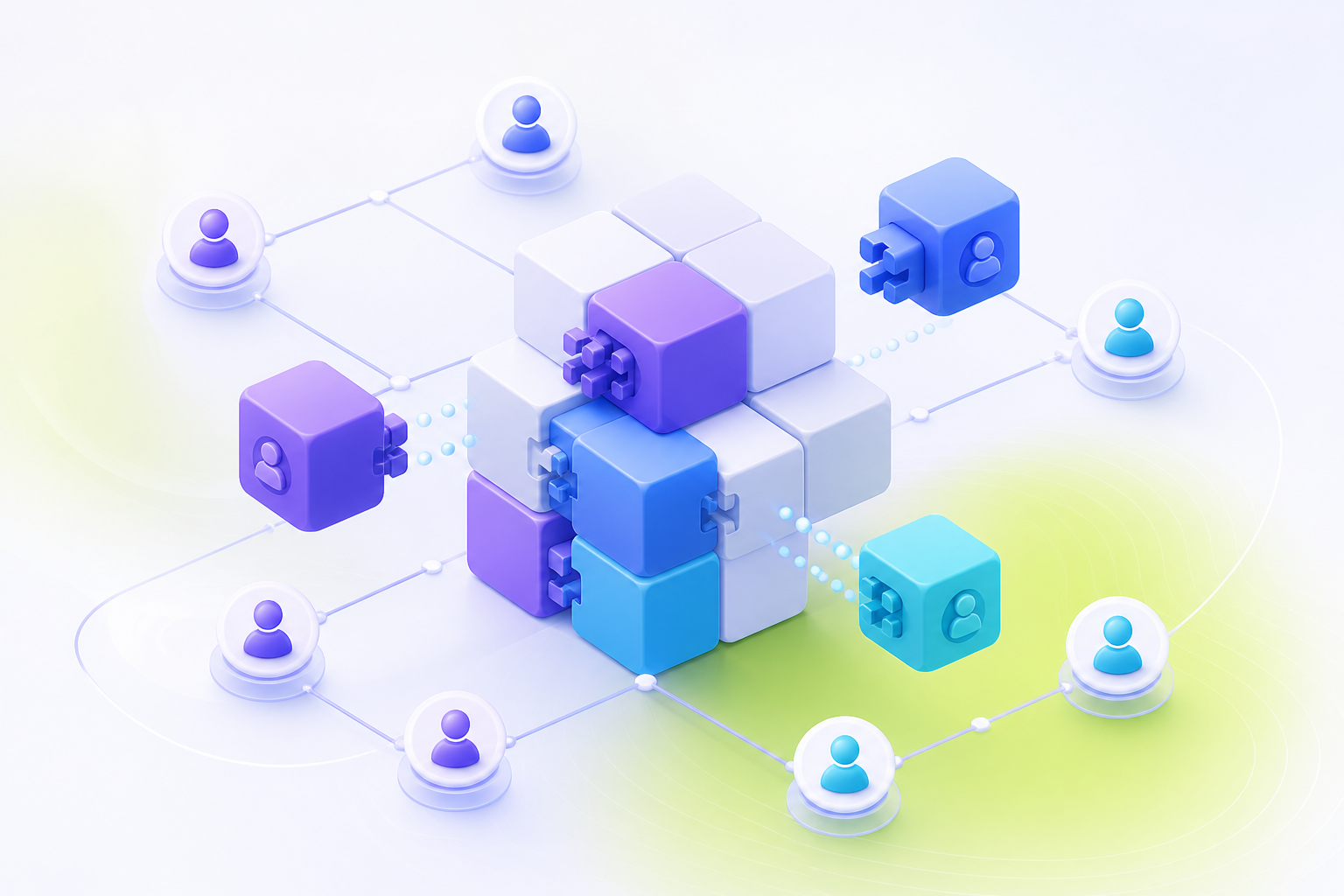
The top IT staff augmentation companies in 2026, compared by verified ratings across Clutch, DesignRush, and GoodFirms, plus location, focus, and fit.
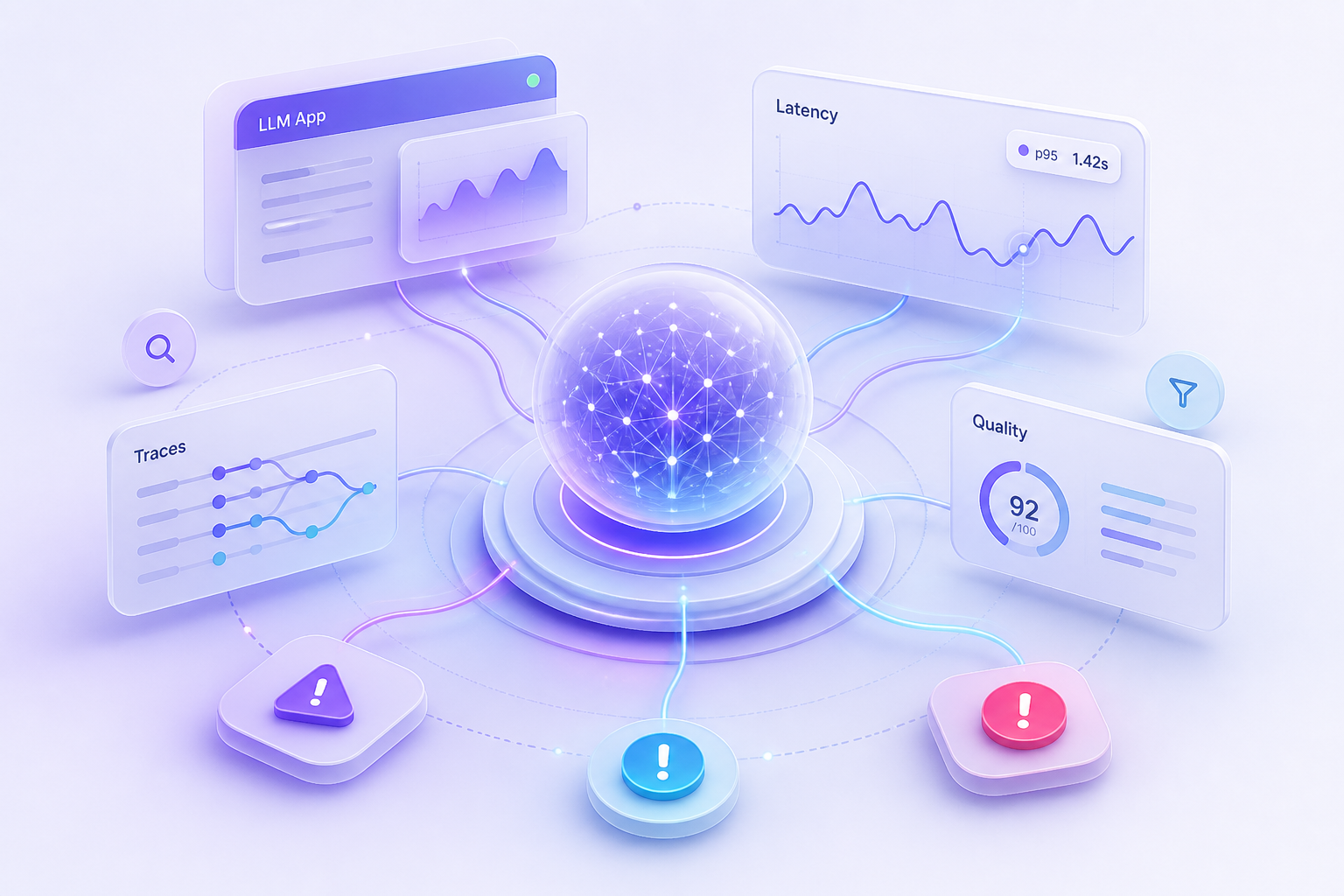
Tracing, logs, cost, latency, drift, and tools like LangSmith and Langfuse, what teams should actually monitor before an LLM app gets hard to run.

The top AI automation companies in 2026, compared by focus, verified Clutch ratings, and fit, from workflow and RPA to conversational and agentic automation.

The top fintech app development companies in India for 2026, compared by focus, verified Clutch ratings, rate, and fit, with RBI, UPI, and DPDP compliance context.
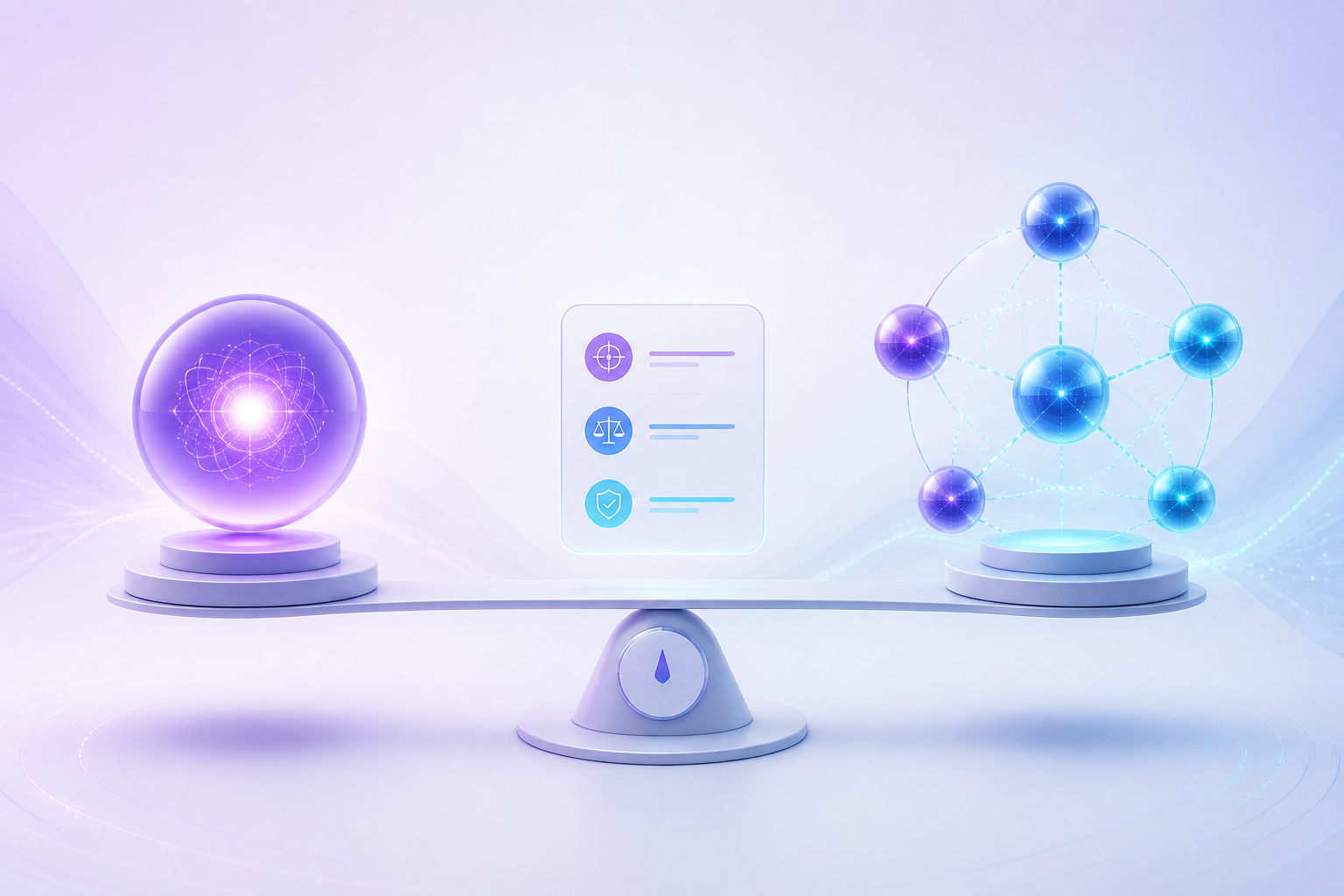
One agent, hybrid, or multi-agent? A decision framework covering workflow structure, cost per successful workflow, latency, reliability, and when a split is actually justified.
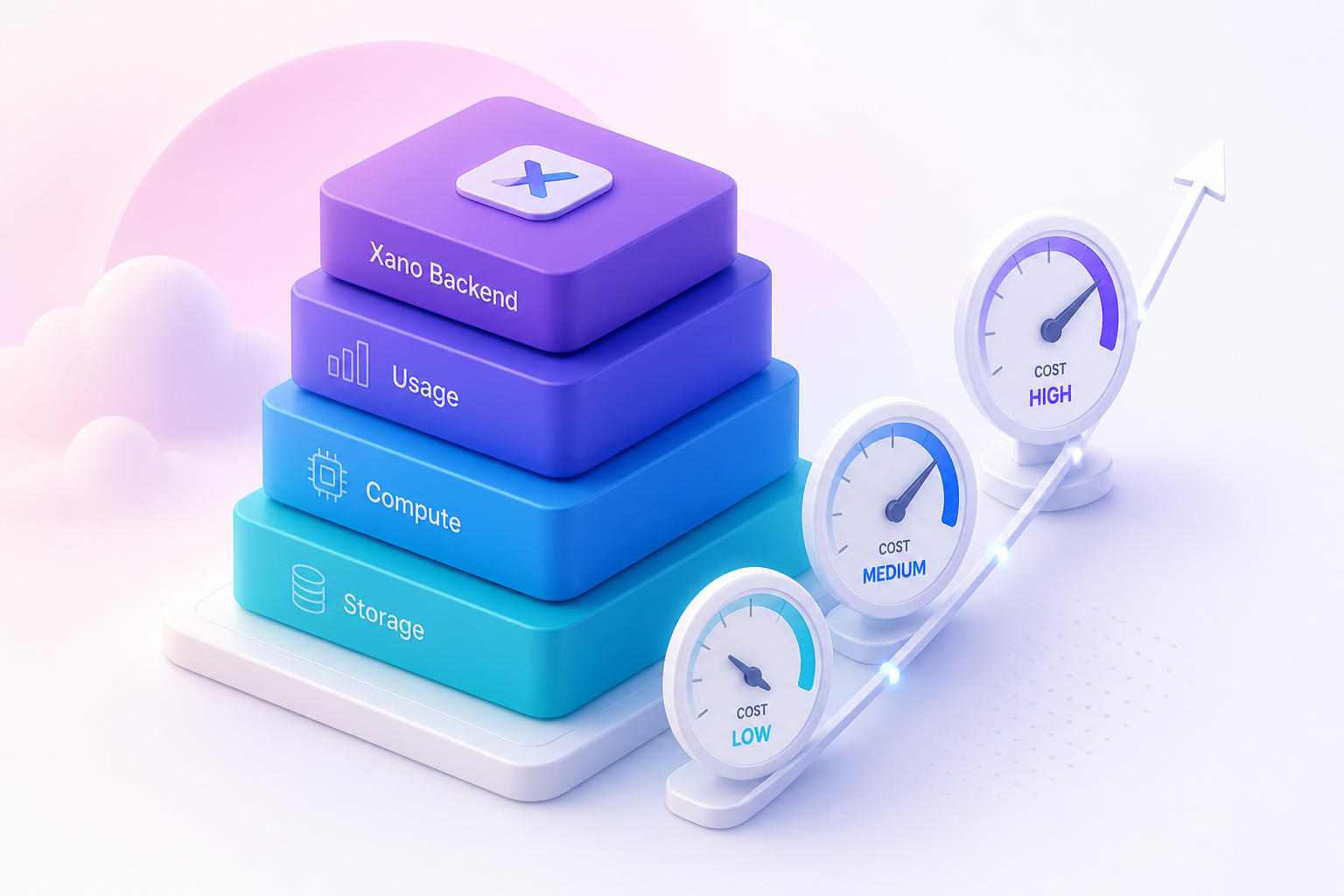
The Xano subscription is the smallest line in a real budget. Verified plan prices, the three upgrade steps, the $500 per month HIPAA BAA, and worked yearly budgets for MVP, SaaS, and regulated builds.
Xano wins for production backends with portable REST APIs, compliance, and native mobile frontends. Bubble wins for all in one MVPs built fast by one person. Decision table plus verified 2026 pricing.
The best Claude Code consulting companies in 2026, compared by verified focus and fit, from Anthropic directory partners to specialist and training firms.
The best Lovable development agencies in 2026, from verified Lovable Experts directory members to specialist build and rescue teams, compared by focus and fit.
The top healthcare app development companies in 2026, compared by focus, verified Clutch ratings, and fit, with a plain guide to HIPAA and how to choose.

How to migrate to Google Cloud in 2026, the four phase framework, the six R strategies, the tooling, downtime minimization, and India data residency.
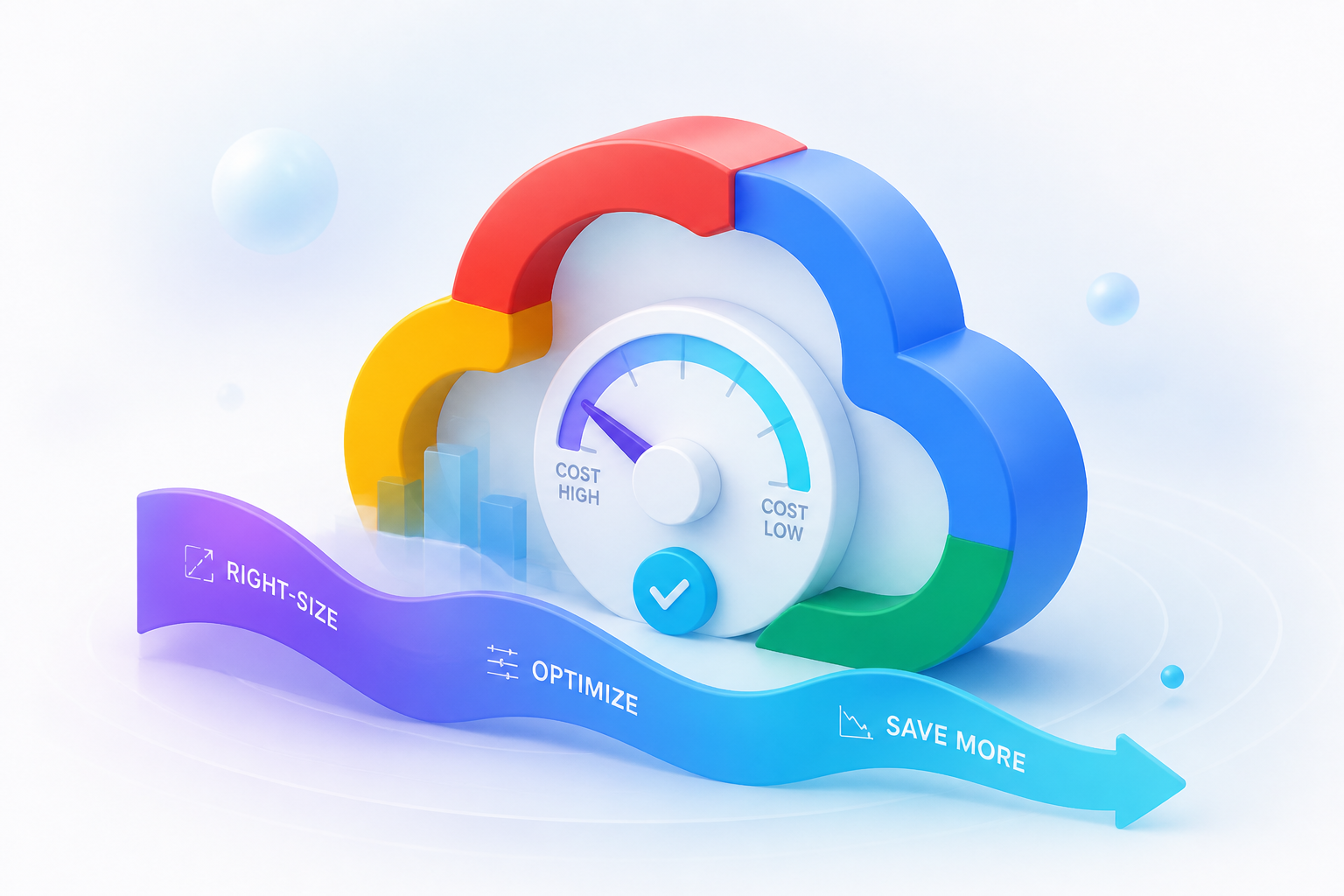
How to cut a Google Cloud bill in 2026 with sustained and committed use discounts, spot VMs, rightsizing, storage tiering, and FinOps discipline.
The top Flutter app development companies in 2026, compared by focus, verified Clutch ratings, and fit, plus where Flutter stands against React Native.

The top fintech app development companies in 2026, compared by focus, verified Clutch ratings, and fit, from dedicated fintech shops to consumer product studios.
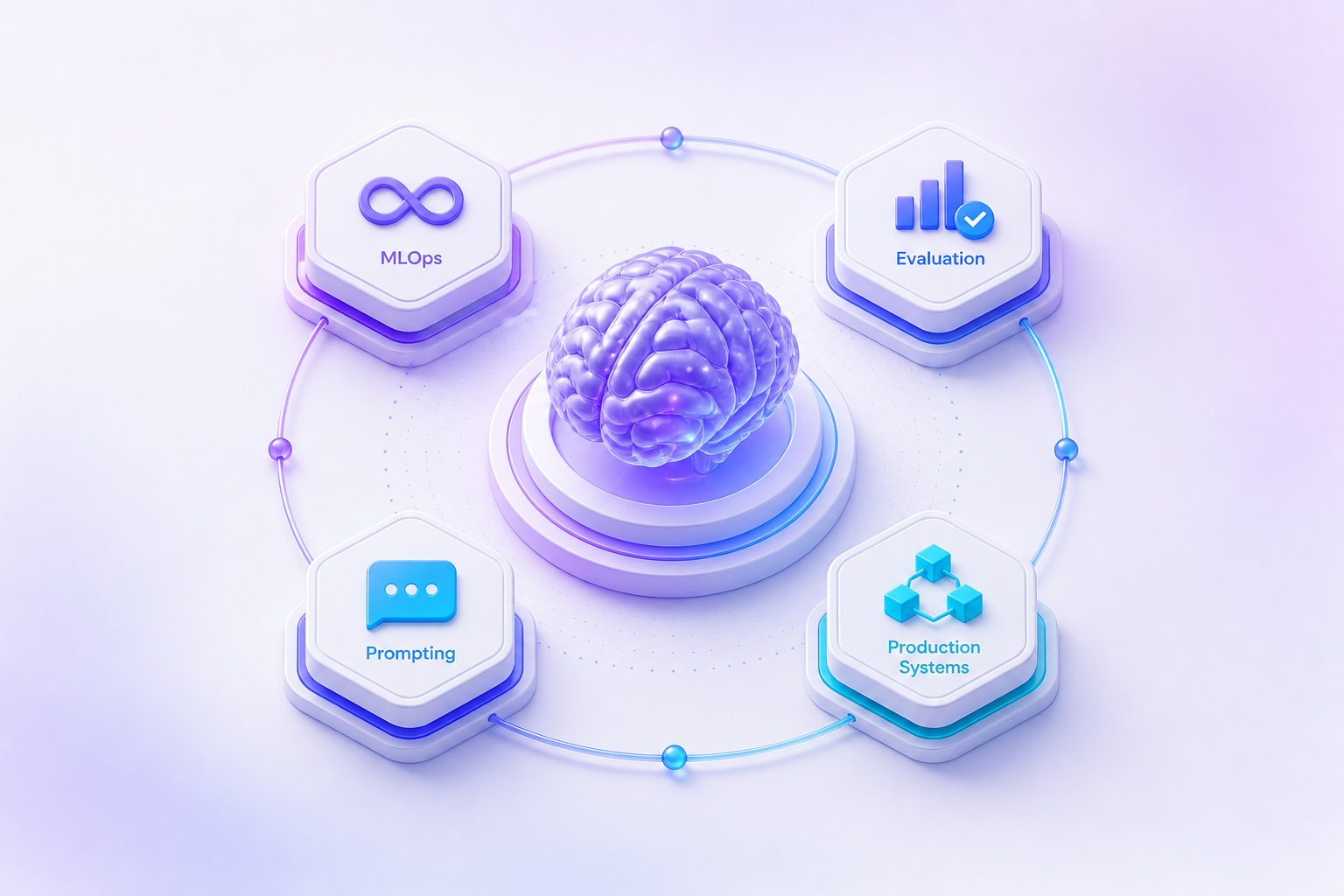
What an AI engineer actually does in 2026, how the role differs from ML engineer and data scientist, the real skill stack, and what separates production from a prototype.

A straight answer on whether Supabase is production ready, the scaling limits that actually bite, and when to fix in place versus migrate off.
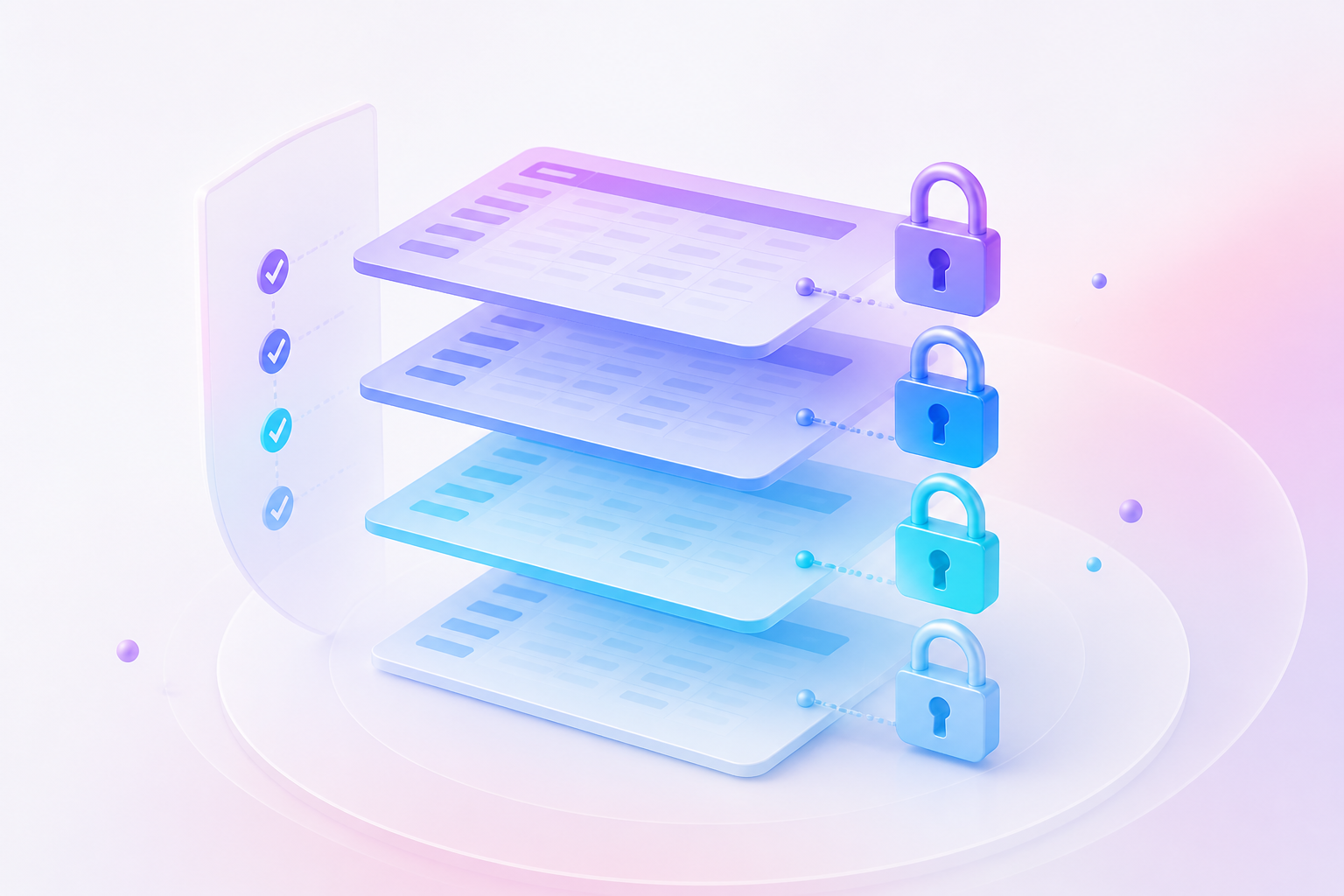
A practical Supabase row level security checklist, with the exact SQL and requests an engineer runs to prove every table, key, and bucket is protected before production.
A practical playbook for inheriting someone elses code, from audit and knowledge transfer to stabilization, with a 30, 60, 90 day plan for shipping safely.
A decision framework and a founder scorecard for rebuild vs refactor, when refactoring in place wins, when a rebuild is justified, and how to migrate without a big bang.
The top real estate app development companies in 2026, from CRE specialists and IDX integrators to proptech engineering partners, compared by focus, verified Clutch ratings, and fit.
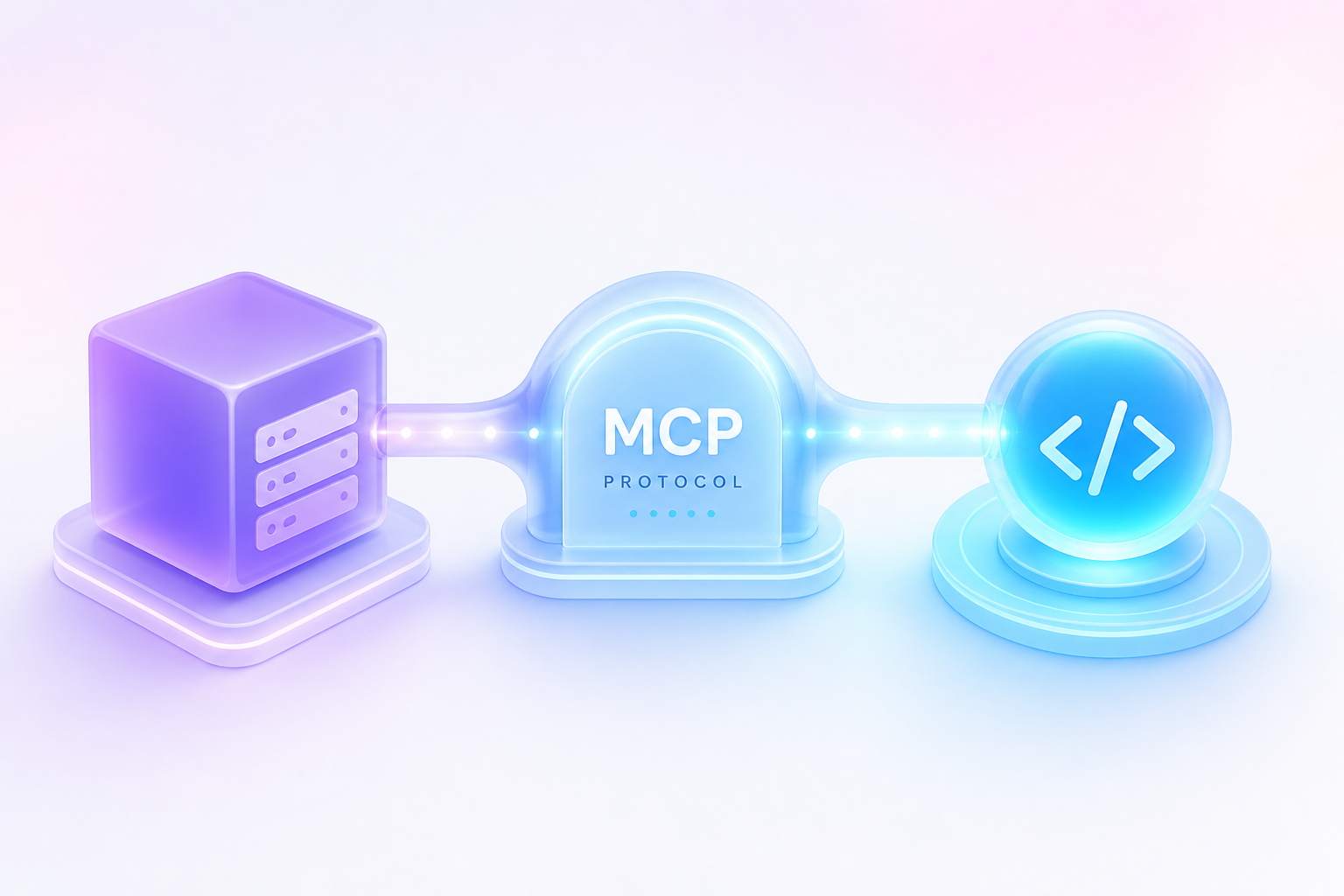
The Xano Developer MCP and CLI give AI coding agents live workspace context. How the pairing with Claude Code works, what context engineering means in practice, and the workflow an Enterprise Xano partner runs daily.
The top travel app development companies in 2026, from travel only boutiques to enterprise travel tech practices, compared by focus, verified Clutch ratings, and fit, plus how to choose one.
The top mobile app development companies in the USA in 2026, from brand name consumer shops to Flutter and React Native specialists, compared by focus, verified Clutch ratings, and fit.
AI adoption is easy. Becoming AI native means rebuilding how you build and what you ship around AI. A practical framework, and what the data says about the value gap.
Most AI projects miss ROI because of execution, not the model. The five failure modes that stall returns, and the operating model that fixes each one.
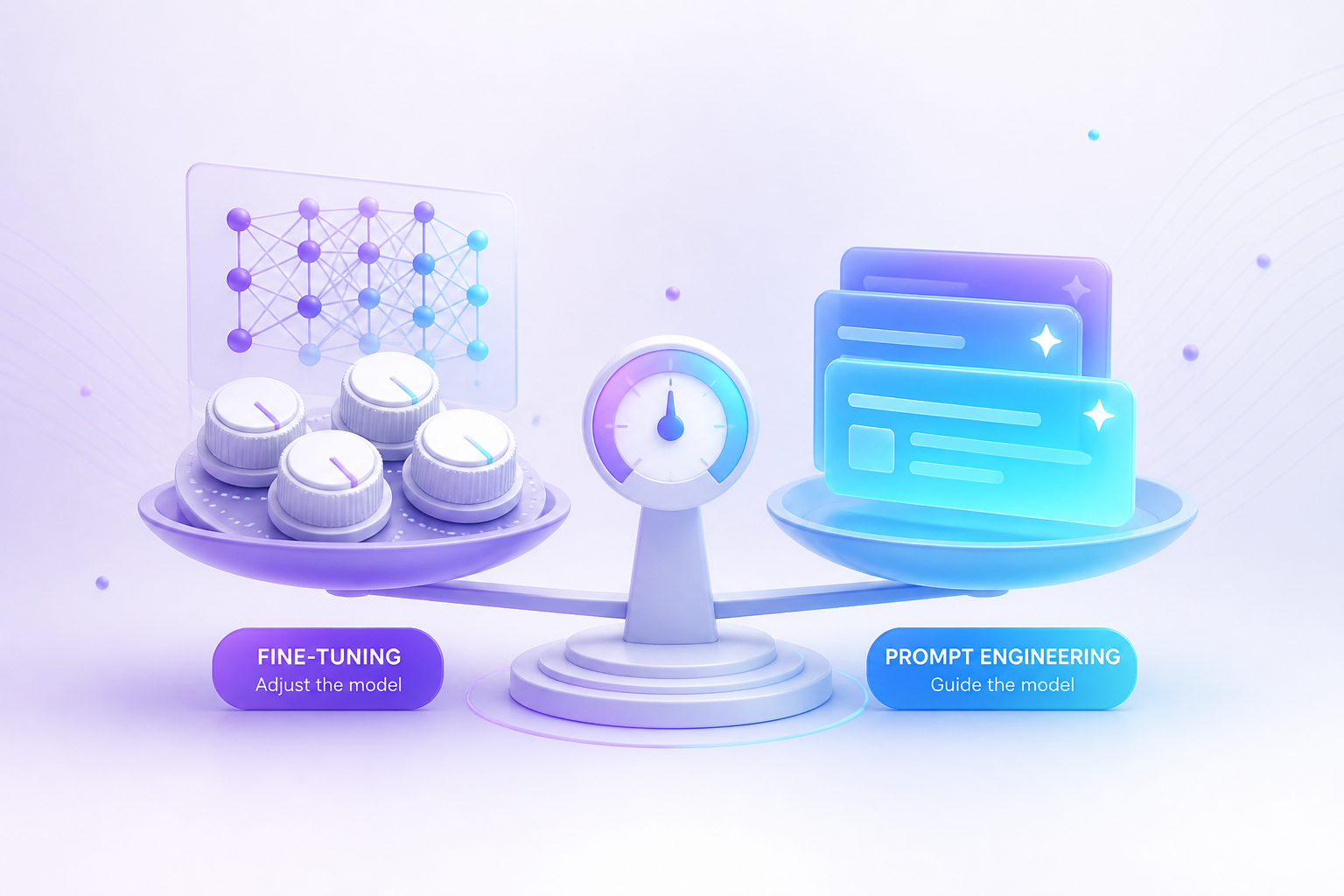
Prompt engineering is usually enough at first. When fine tuning becomes worth the cost, complexity, and maintenance, with a clear five step decision framework for AI teams.
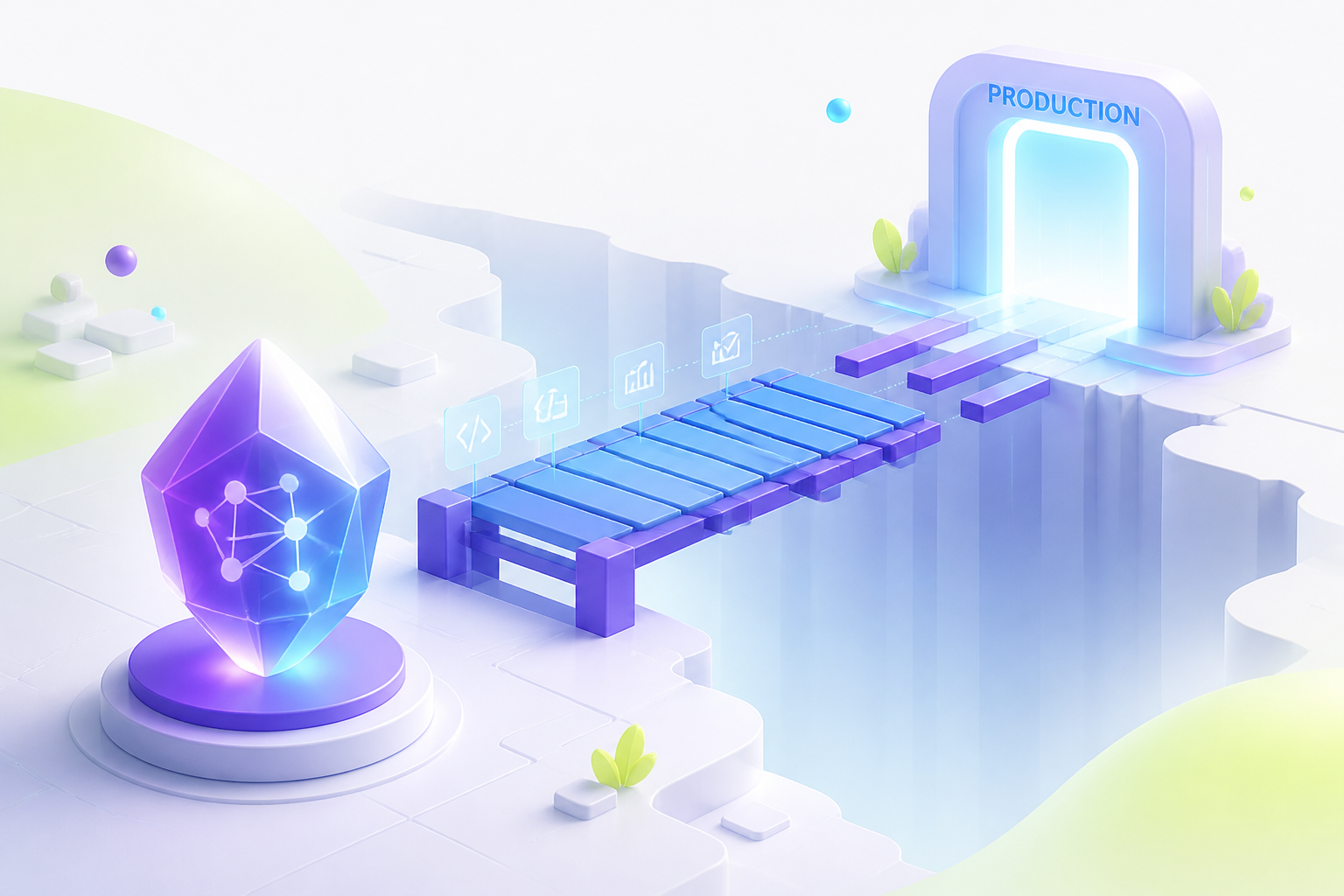
Most AI models stall after the demo. Where the MLOps gap shows up, why pilots fail, and the operating model teams use to ship reliable AI into production.
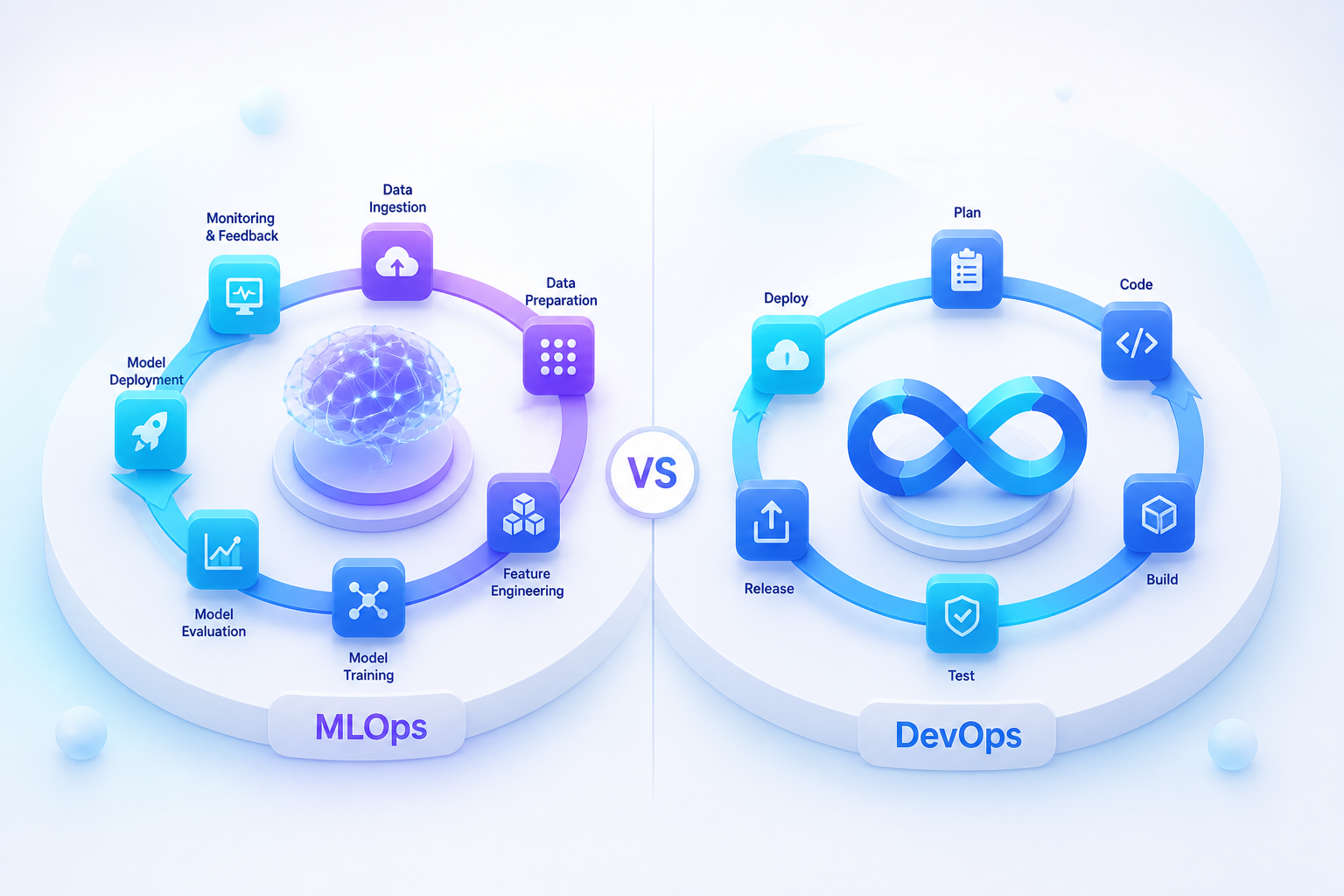
DevOps ships code. MLOps runs code, data, and models. Where they differ, when plain DevOps is enough, and what changes when AI goes into production.

The leading conversational AI companies in 2026, from custom chatbot and voice agent builders to enterprise voice platforms, compared by focus and fit, plus how to choose one.
The leading Xano development agencies in 2026, compared by focus and fit, plus how to choose a verified partner that ships secure, scalable production backends.
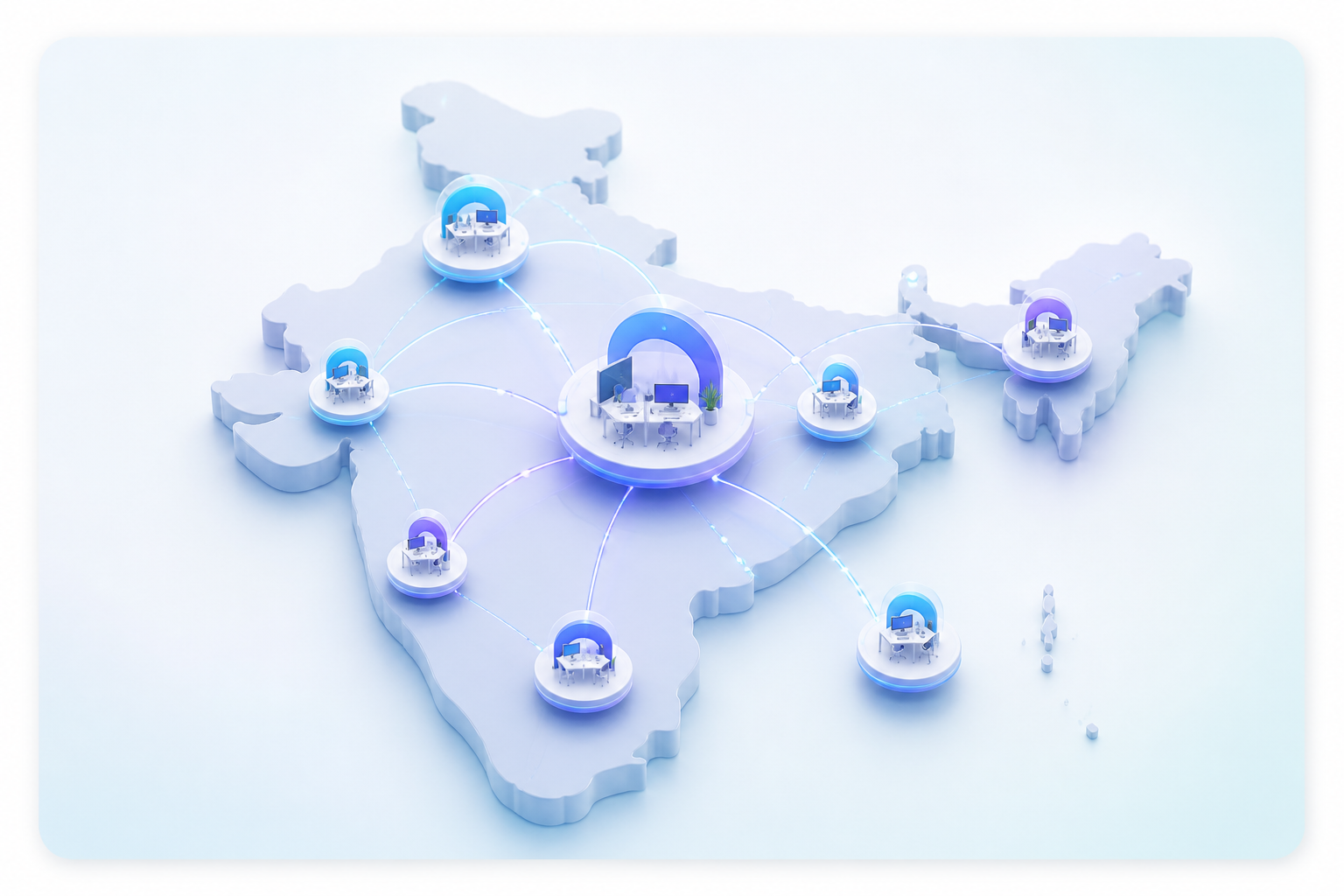
The top Google Workspace resellers and partners in India in 2026, compared by focus and fit, plus how to choose one for INR billing, GST invoices, migration, and support.
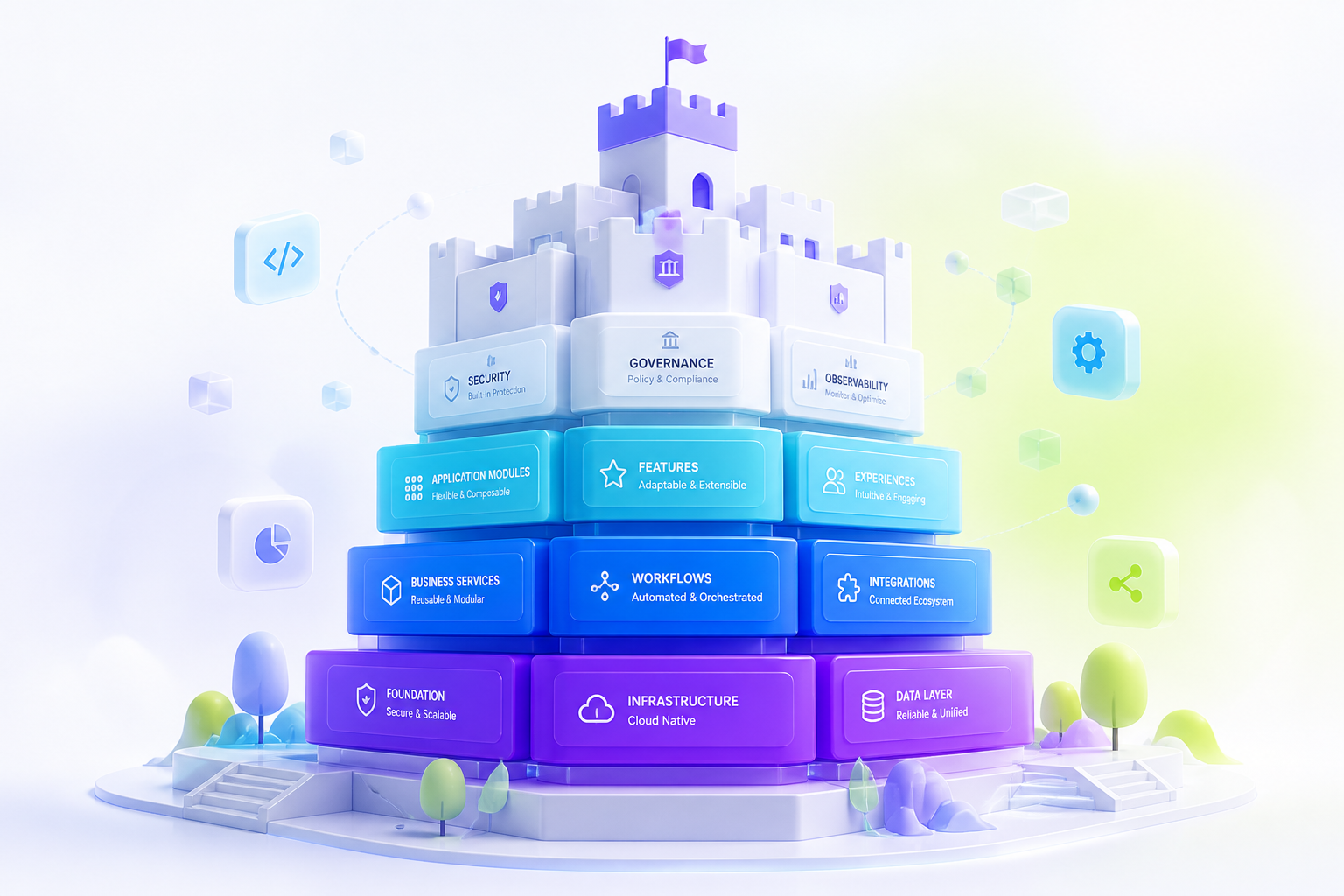
The leading enterprise application development companies in 2026, compared by focus and fit, plus how to choose a partner that ships secure software at scale.
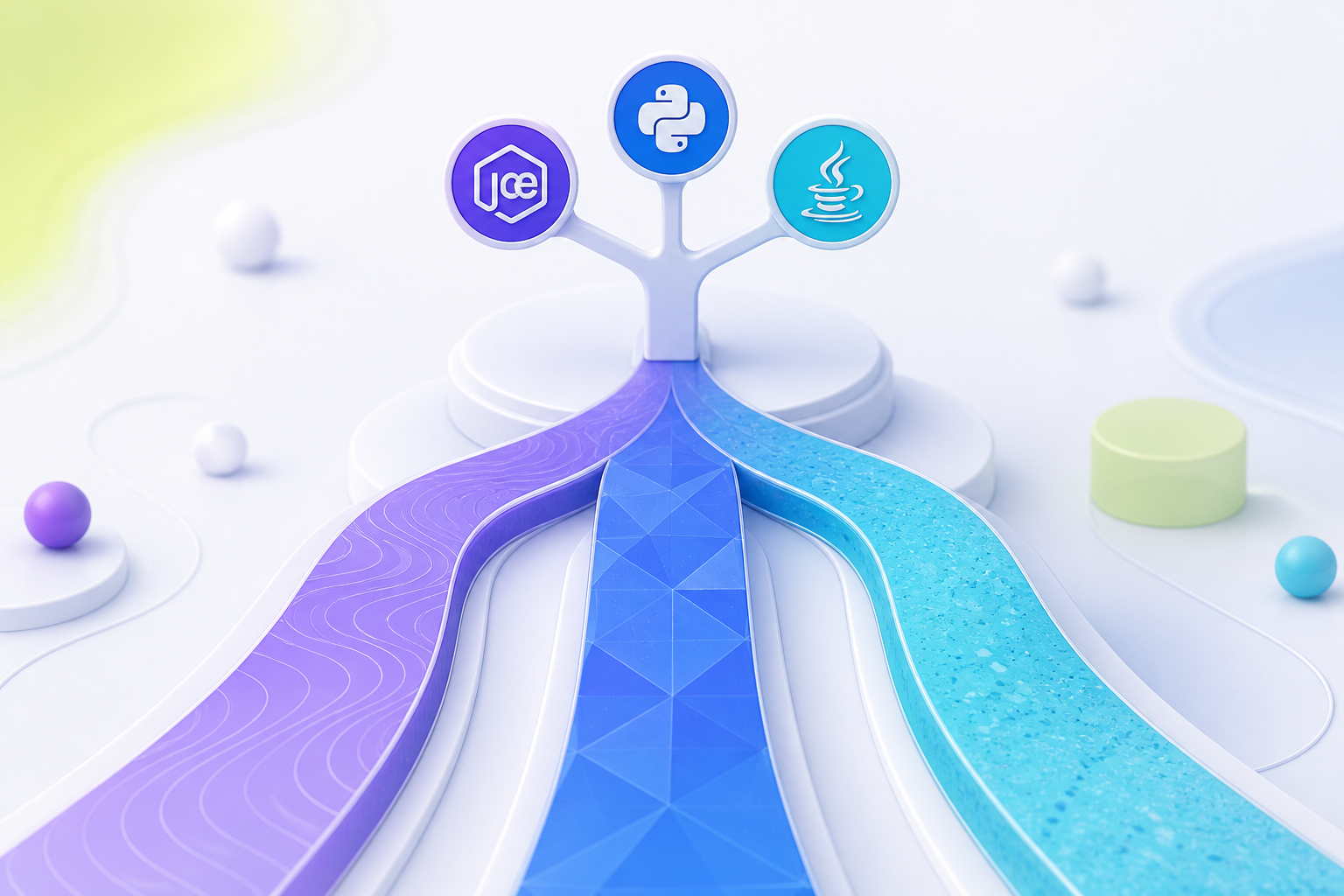
Node.js vs Python vs Java in 2026: how they compare on performance, talent, ecosystem, and fit, with a clear pick for APIs, AI, and large enterprise backends.
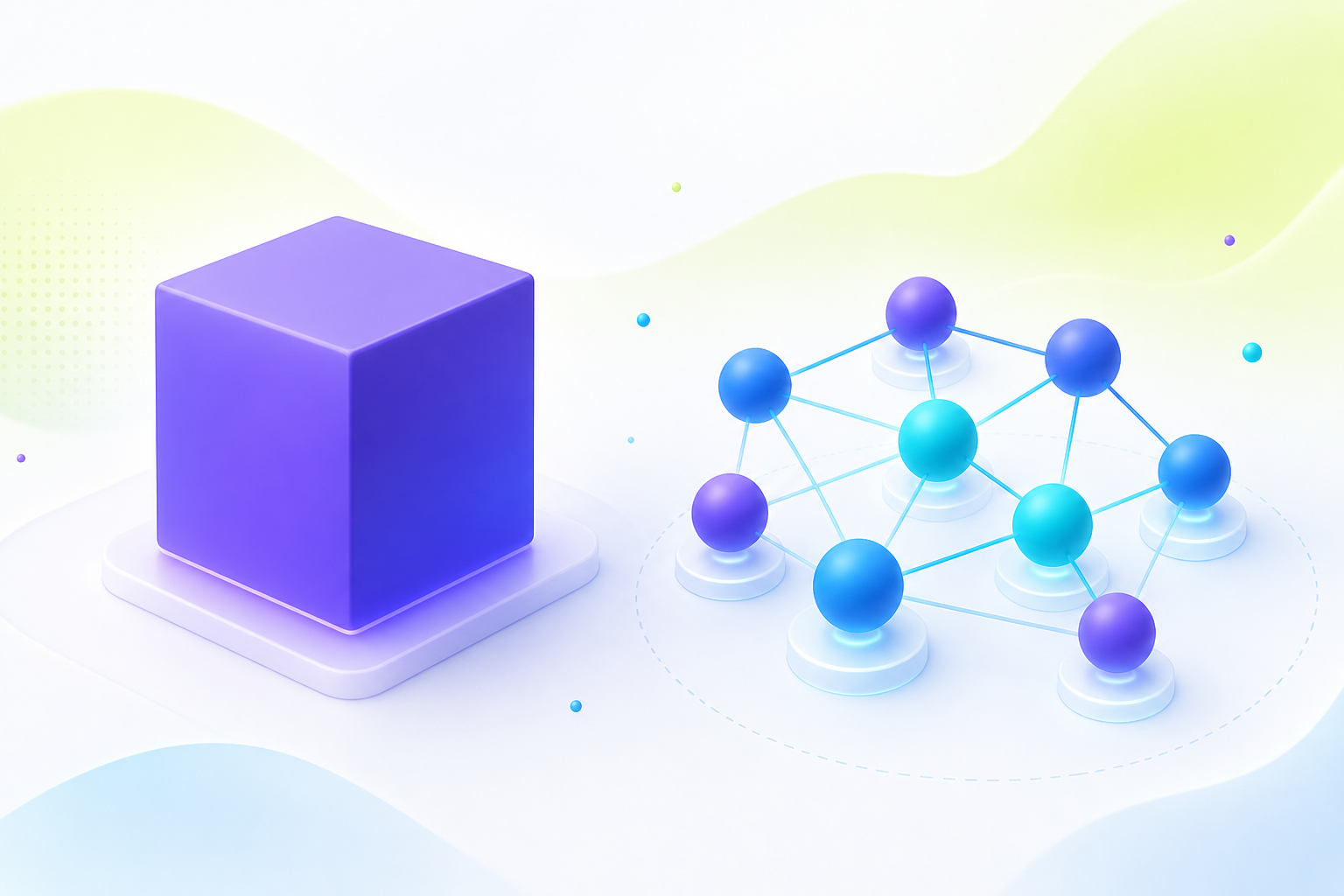
Monolith vs microservices in 2026: cost, speed, scaling, and team fit compared, plus why many teams move back to a modular monolith and when to split.
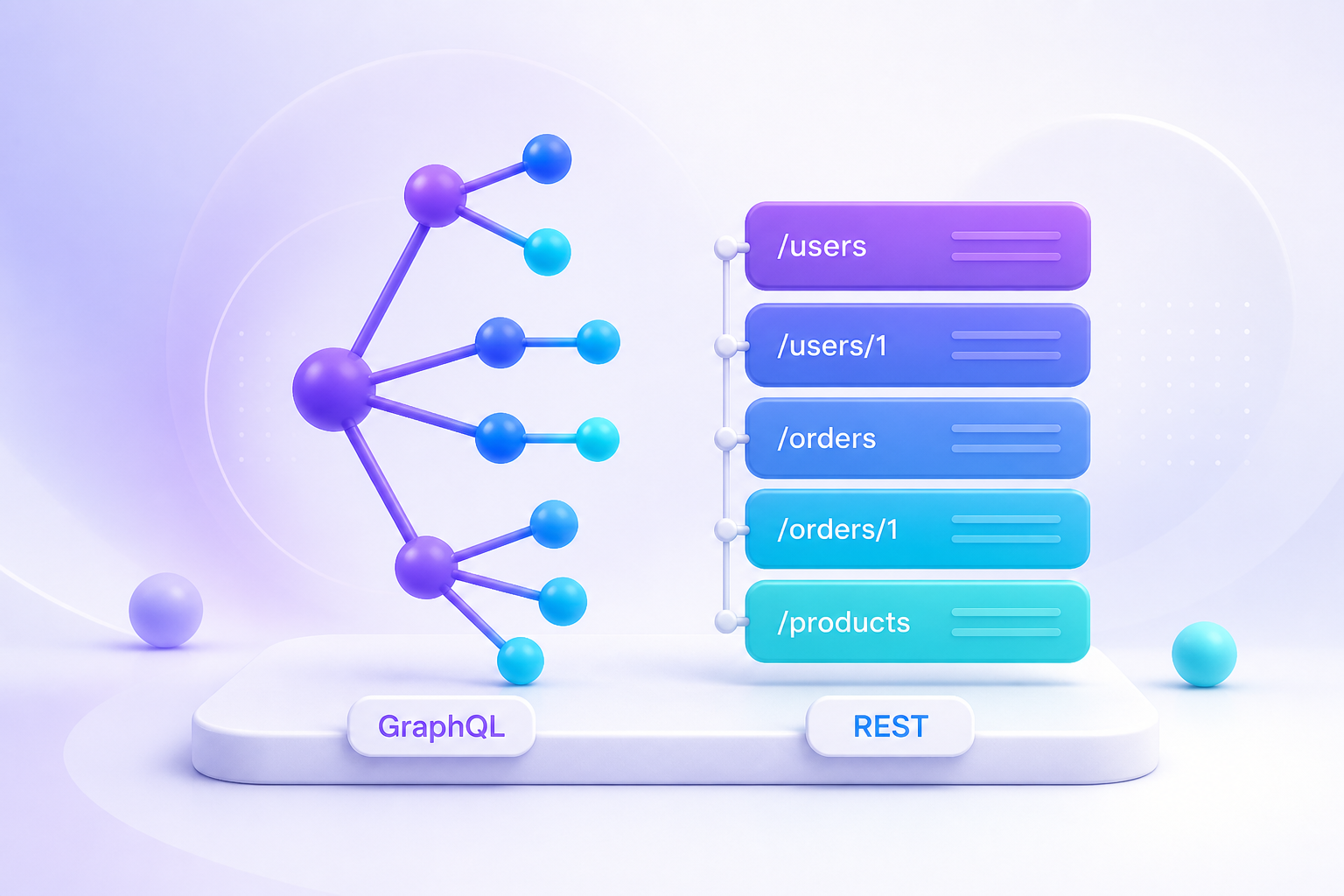
GraphQL vs REST in 2026: how they differ on data fetching, requests, caching, and tooling, with a clear decision framework for when each API style fits.
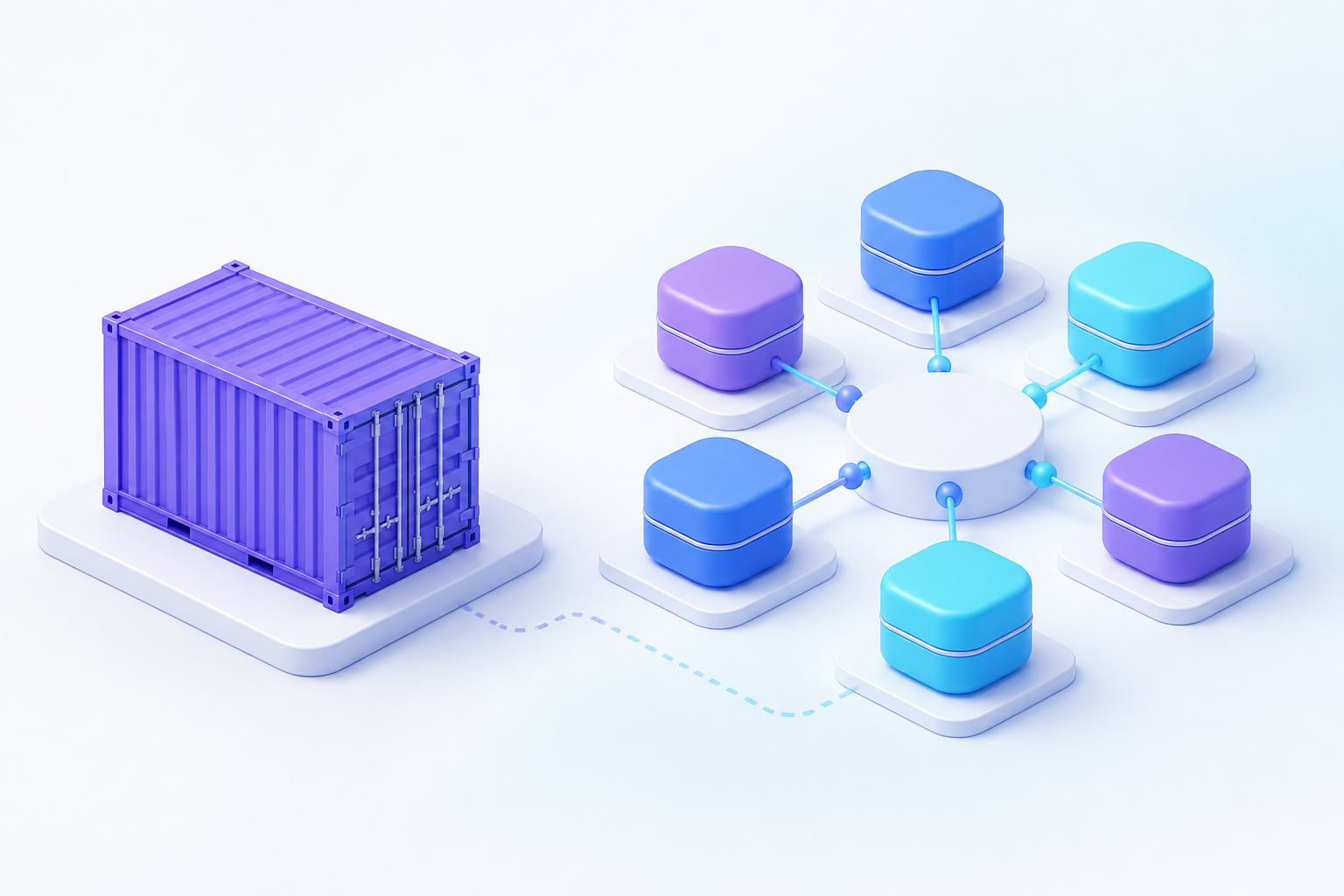
Docker packages your app, Kubernetes operates many containers at scale. What each does, why they work together, and when you actually need Kubernetes.

React vs Angular vs Vue in 2026: how they compare on hiring, learning curve, enterprise fit, ecosystem, and performance, with a clear pick for each use case.

No single winner. Claude leads coding and agents, GPT owns the broadest ecosystem, Gemini wins on context, multimodal, and price. Which to use for each job.
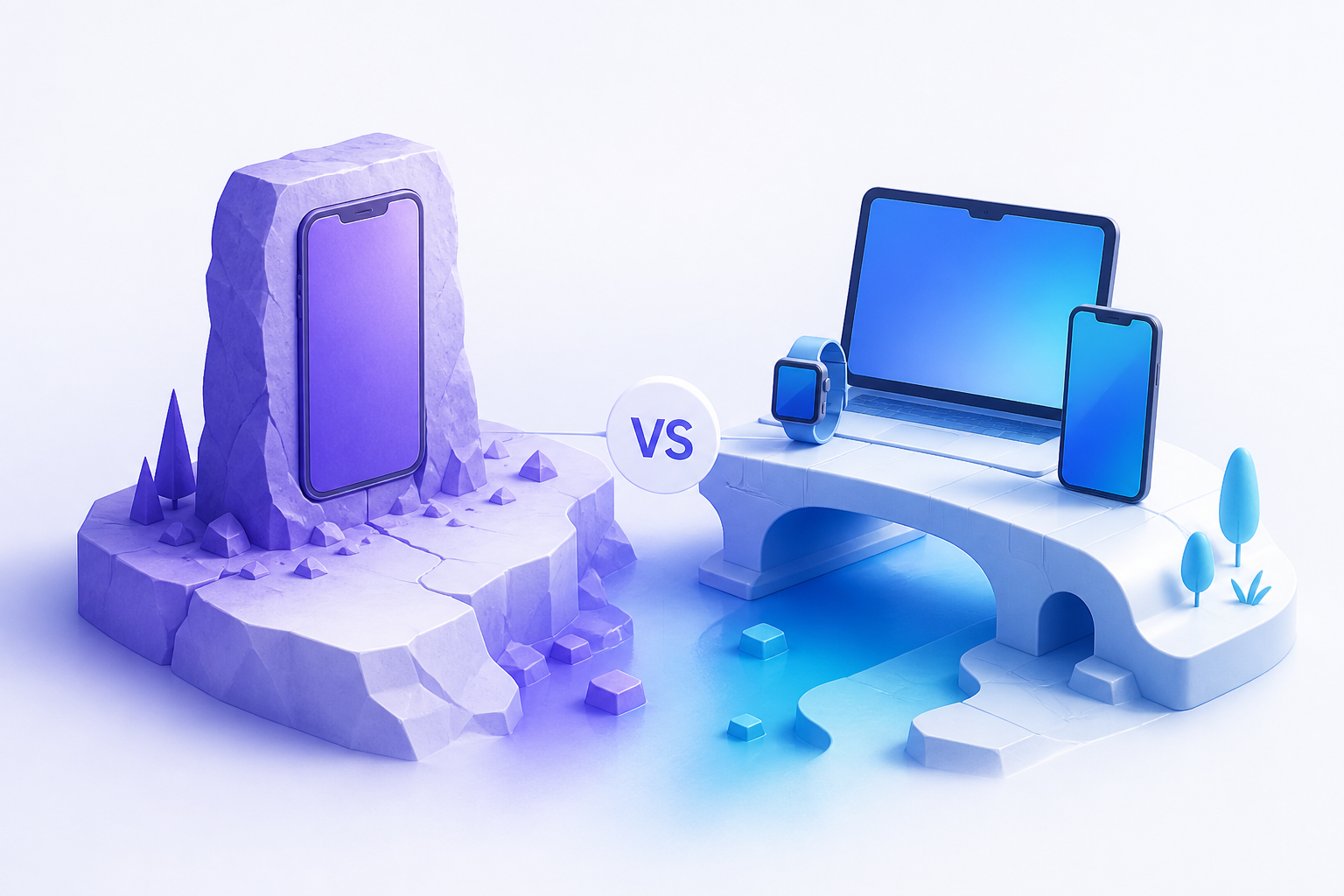
Native vs cross platform app development in 2026: performance, cost, timeline, and a clear decision framework for when each approach is the right call.
AWS vs Azure vs GCP in 2026: strengths, pricing, and best fit for each cloud, with a clear decision framework based on your stack, workloads, and team.
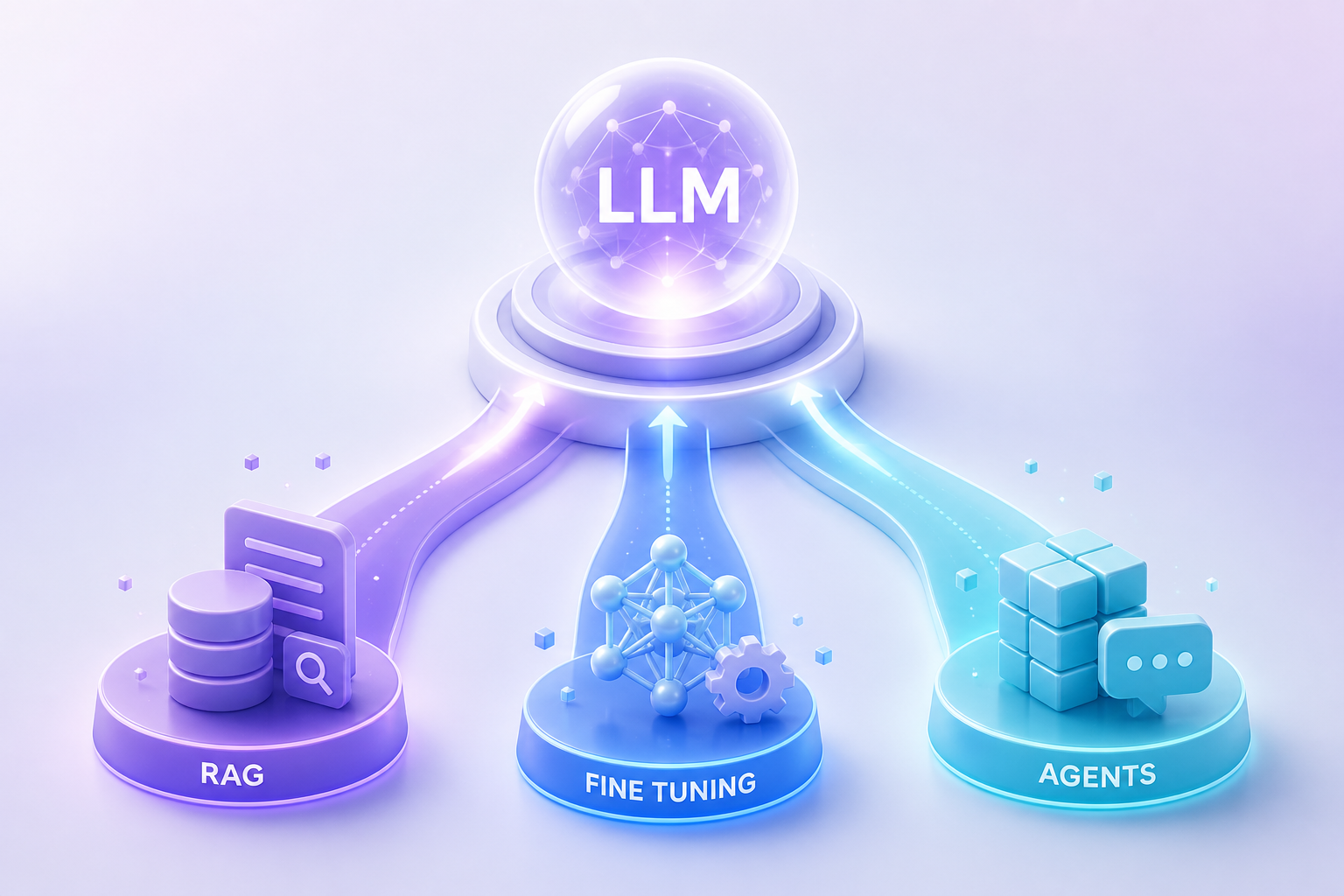
RAG vs fine tuning vs agents in 2026, what each does, costs, and a clear decision framework for grounding, customizing, and acting with large language models.
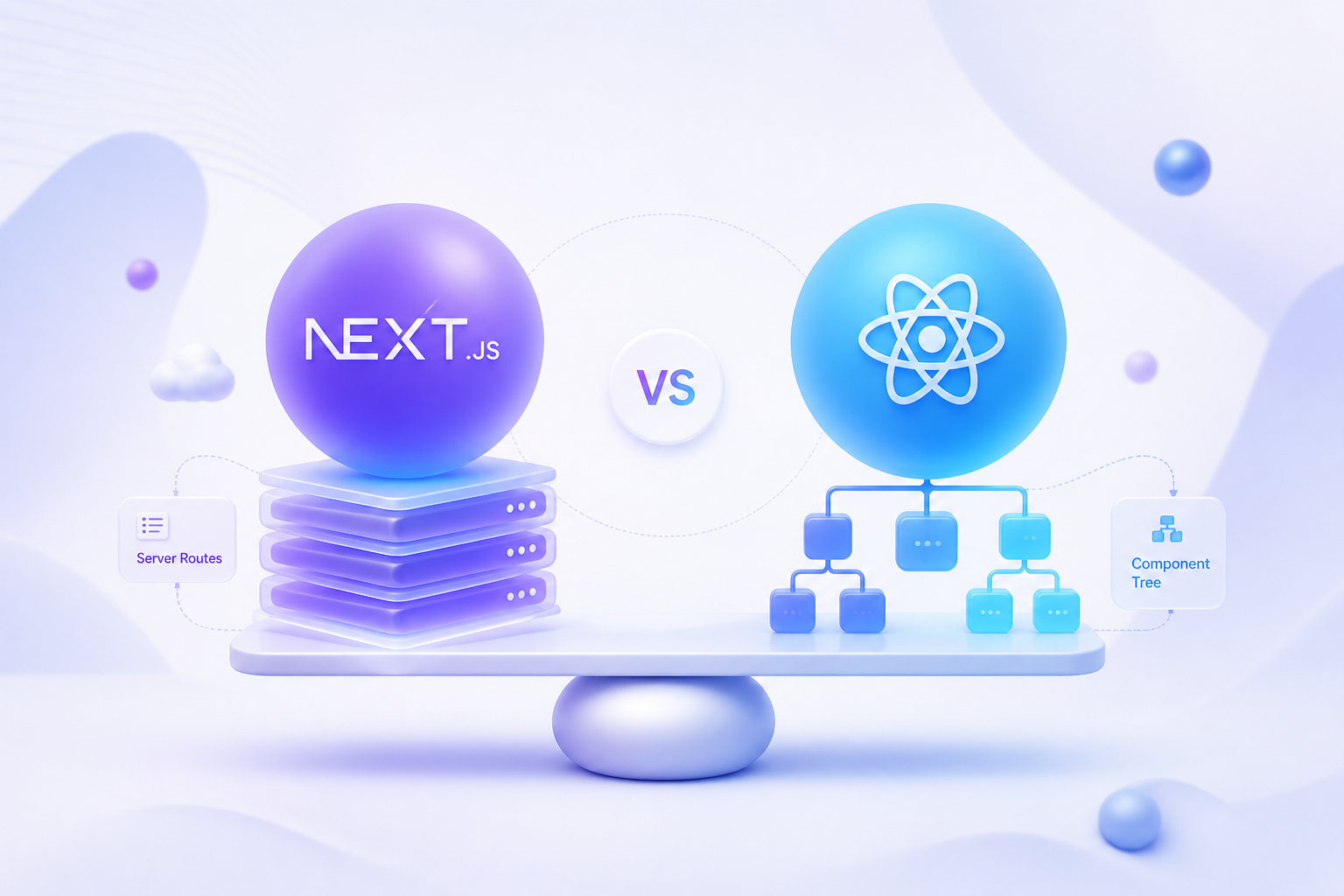
Next.js is built on React. The real decision is the library on its own or the framework around it: how they differ on rendering, SEO, and performance, and when to use which.

Flutter vs React Native in 2026: performance, talent, cost, and ecosystem compared, with a clear decision framework for which cross platform framework fits your app.
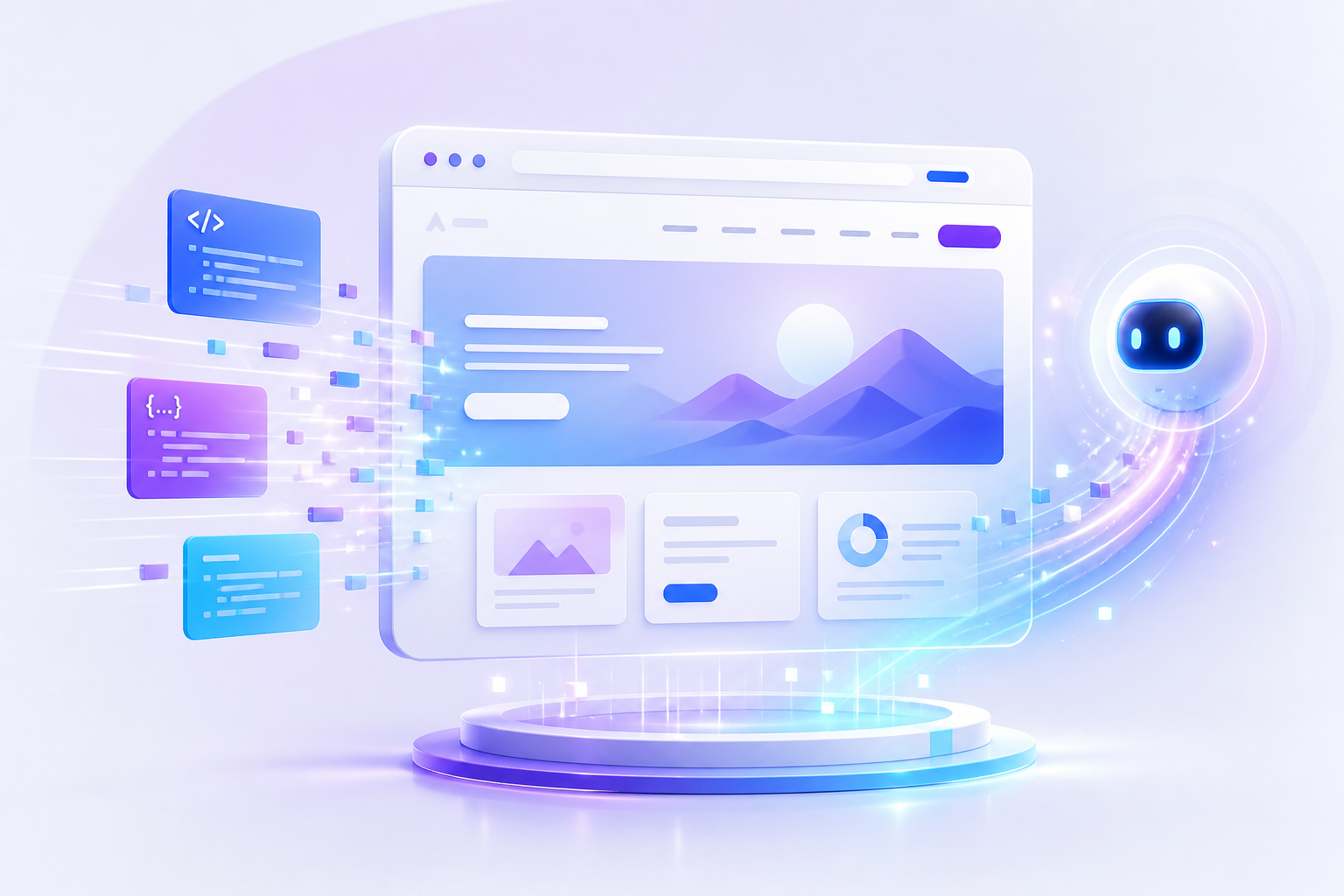
We built a full marketing website in about 4 hours with Claude Fable 5, logo and SEO included. When ChatGPT launched, the same site took a team months.
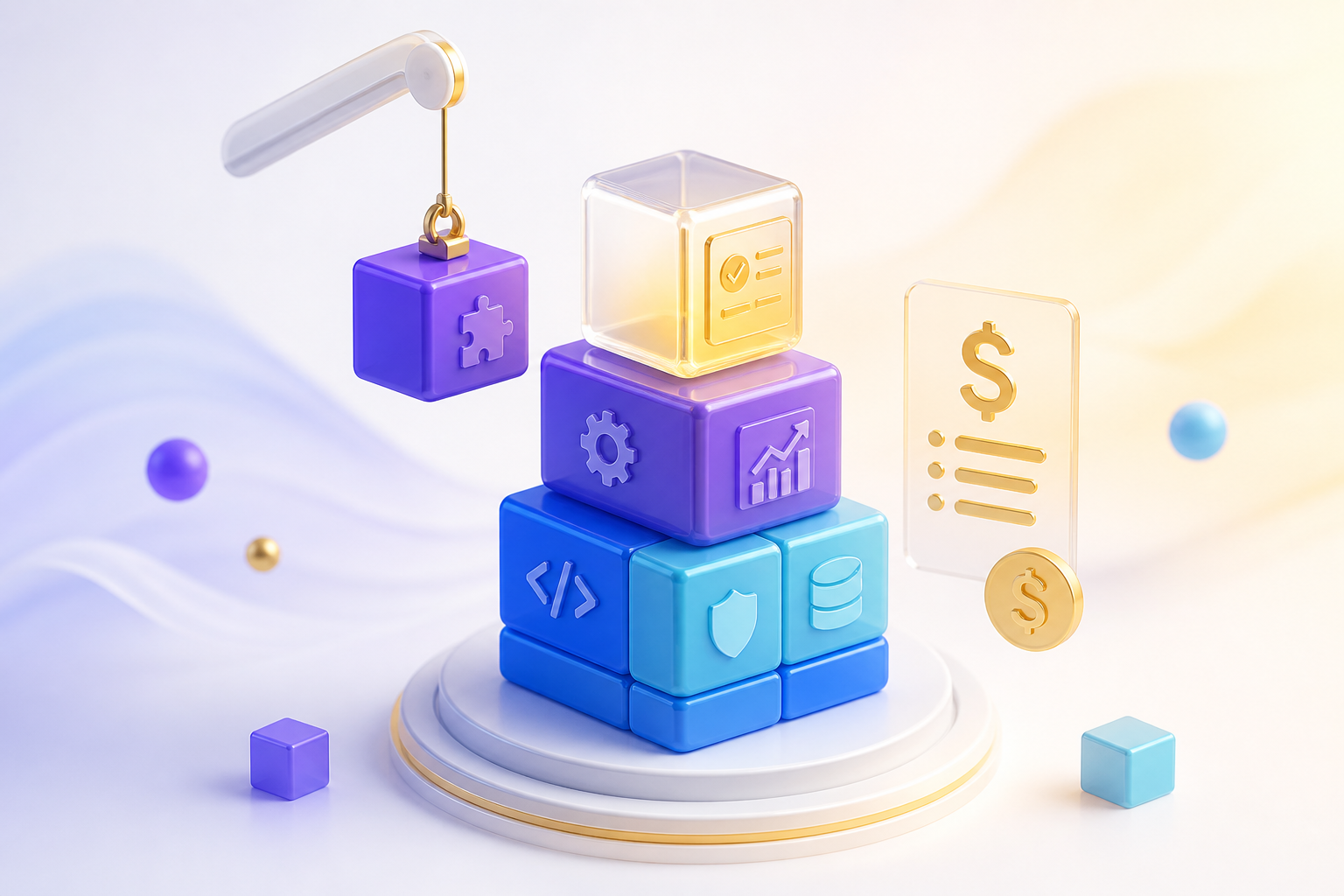
What custom software costs in 2026: published estimate ranges, cost allocation, regional rates, year one ownership costs, and a calculator for your build.

What a mobile app costs in 2026: published estimate ranges, per feature pricing, India rates in INR, hidden costs, and a calculator to estimate your build.

Step by step guide to moving from Microsoft 365 to Google Workspace in India: what migrates, how long it takes, real cost ranges in INR, and how to avoid downtime.

The leading no-code and low-code development agencies in 2026, compared by platform and partner tier, with how to choose one that builds production-grade software.
The leading agentic AI development companies in 2026, compared side by side, what separates a real agent builder from a chatbot shop, and how to choose the right partner.
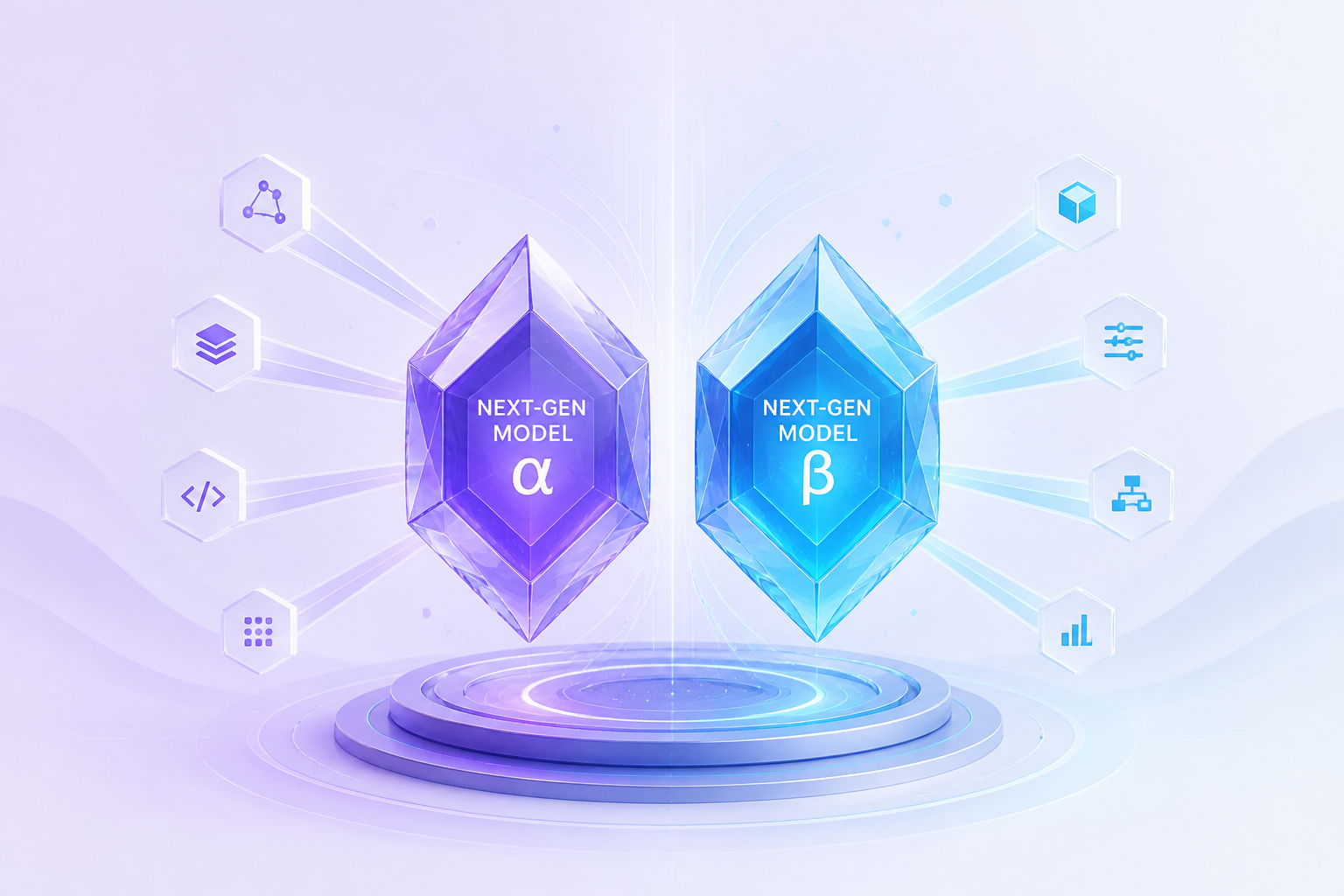
Anthropic's Claude Fable 5 and Mythos 5, explained. Benchmarks (80.3% on SWE-bench Pro vs 58.6% for GPT-5.5), pricing ($10/$50 per million tokens), real results from Stripe and GitHub, safety, and what they change for teams building with Claude.
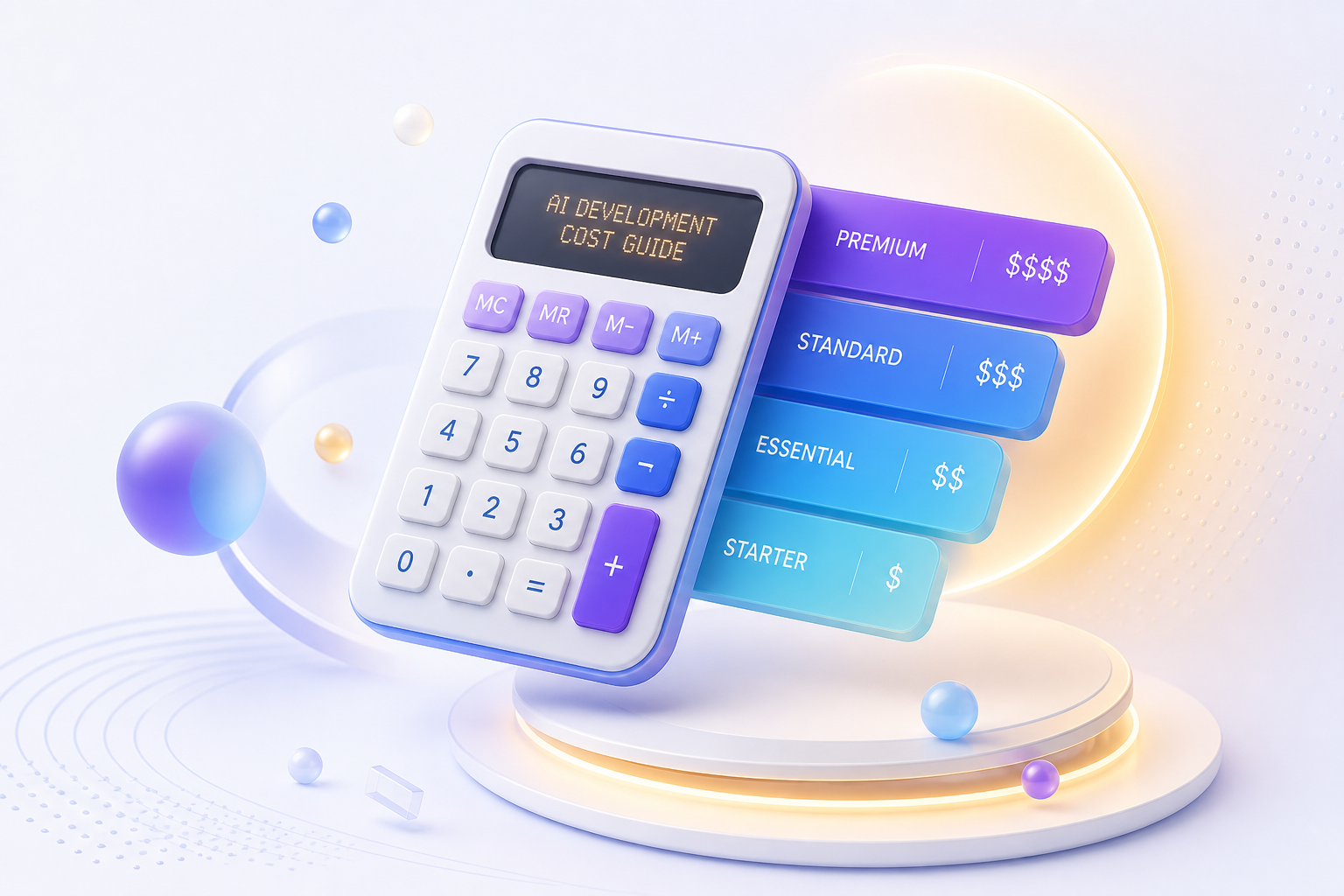
What AI development costs in 2026 — most builds run $40K–$400K (from ~$5K for a rule-based bot to $2M+ enterprise). Price ranges by project type, hourly rates, running costs, and 3-year total cost of ownership, all sourced.
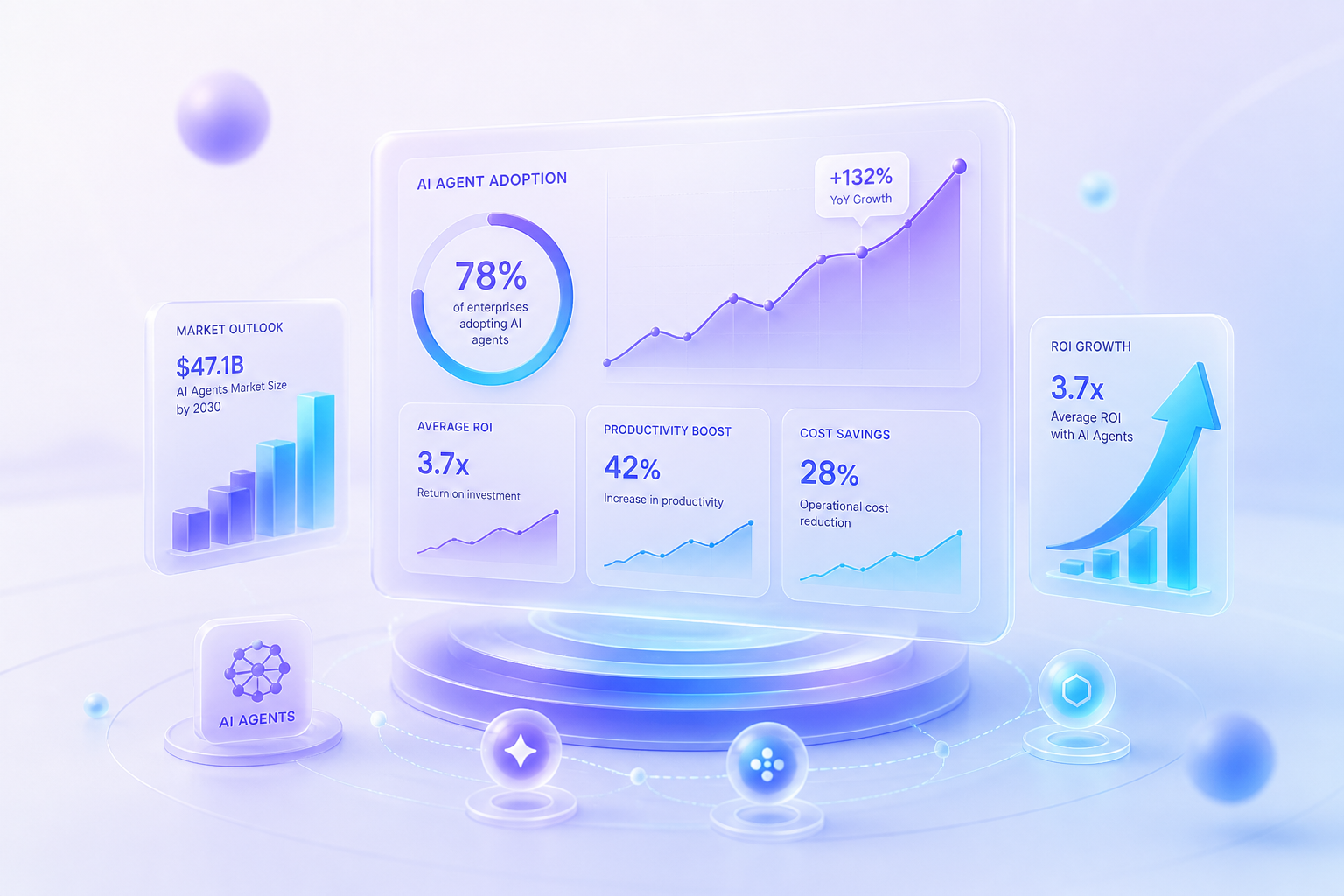
Verified 2026 agentic AI statistics — market size (~$11B), enterprise adoption, the production gap (only ~31% in production), ROI and time-to-value, top use cases, and why 40%+ of agent projects are forecast to be cancelled.
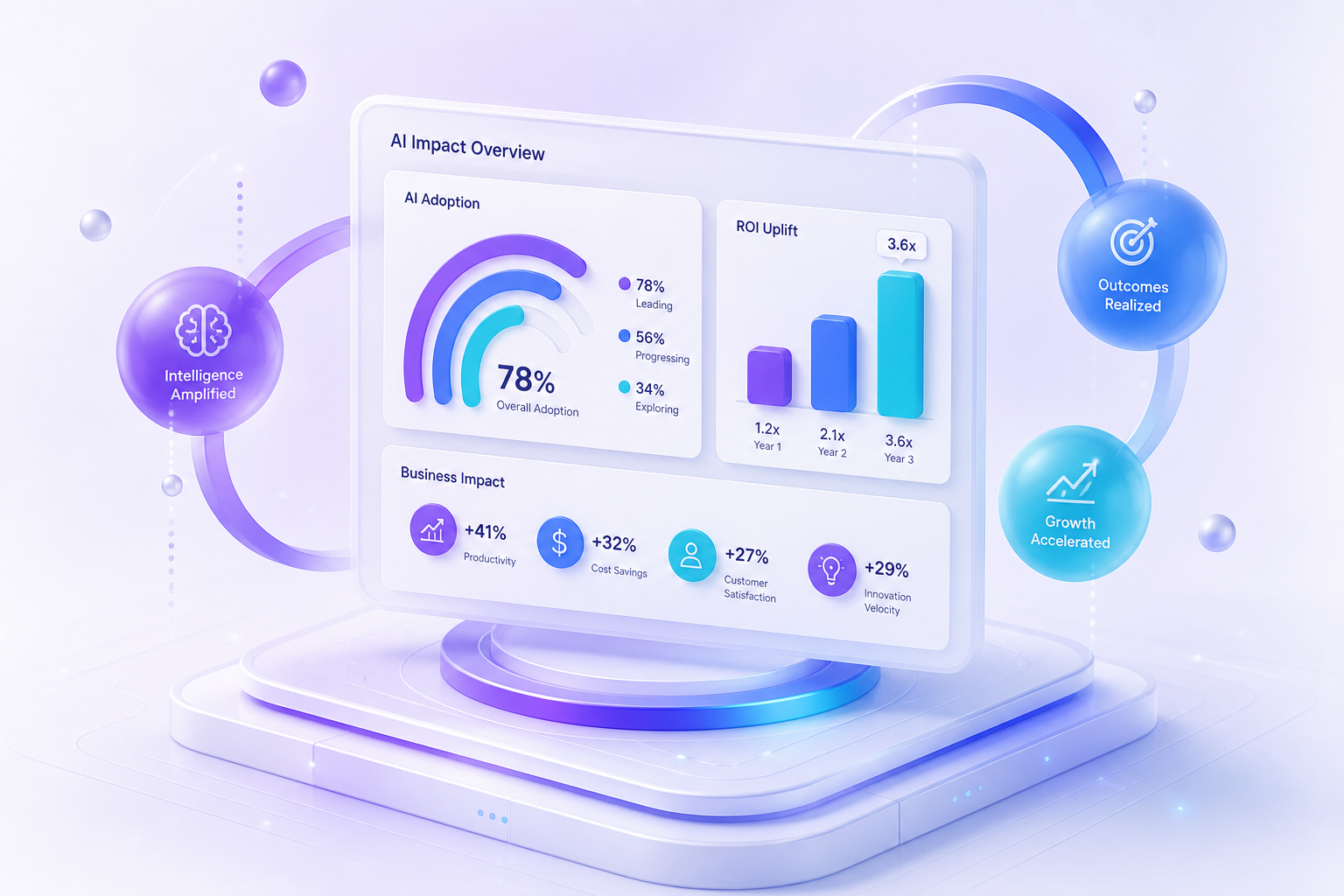
Verified 2026 AI statistics — market size (~$2.5T spend), enterprise adoption (88%), ROI and failure rates (80–95%), agentic AI, AI-assisted coding (~46% of code), industry breakdowns, jobs (+78M net by 2030), and AI search — every figure sourced and refreshed quarterly.
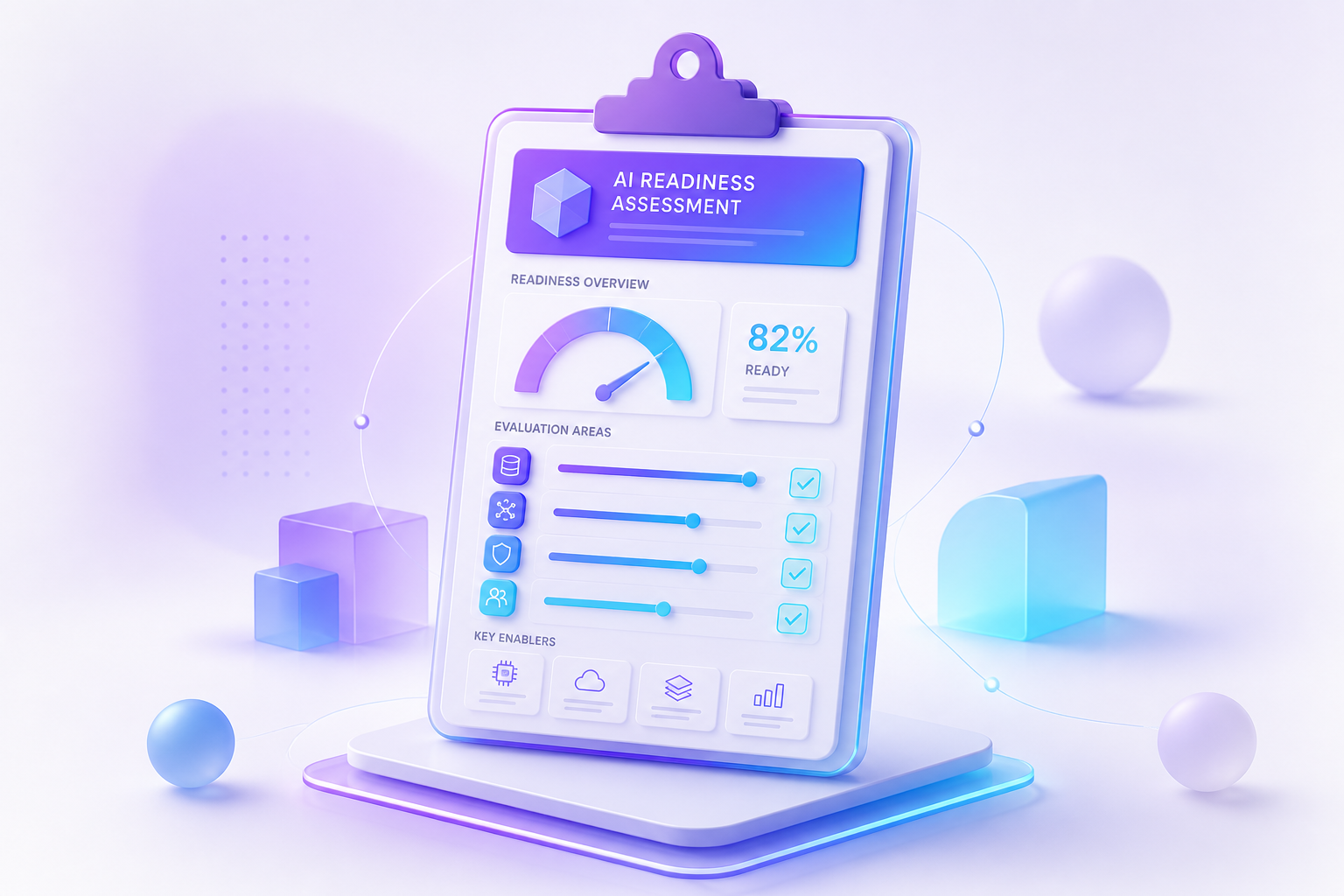
A pre-build decision process for AI projects: the five pillars — business fit, data, integration, governance, evaluation — that determine whether a workflow is ready, and how to land on build now, delay, or build differently.
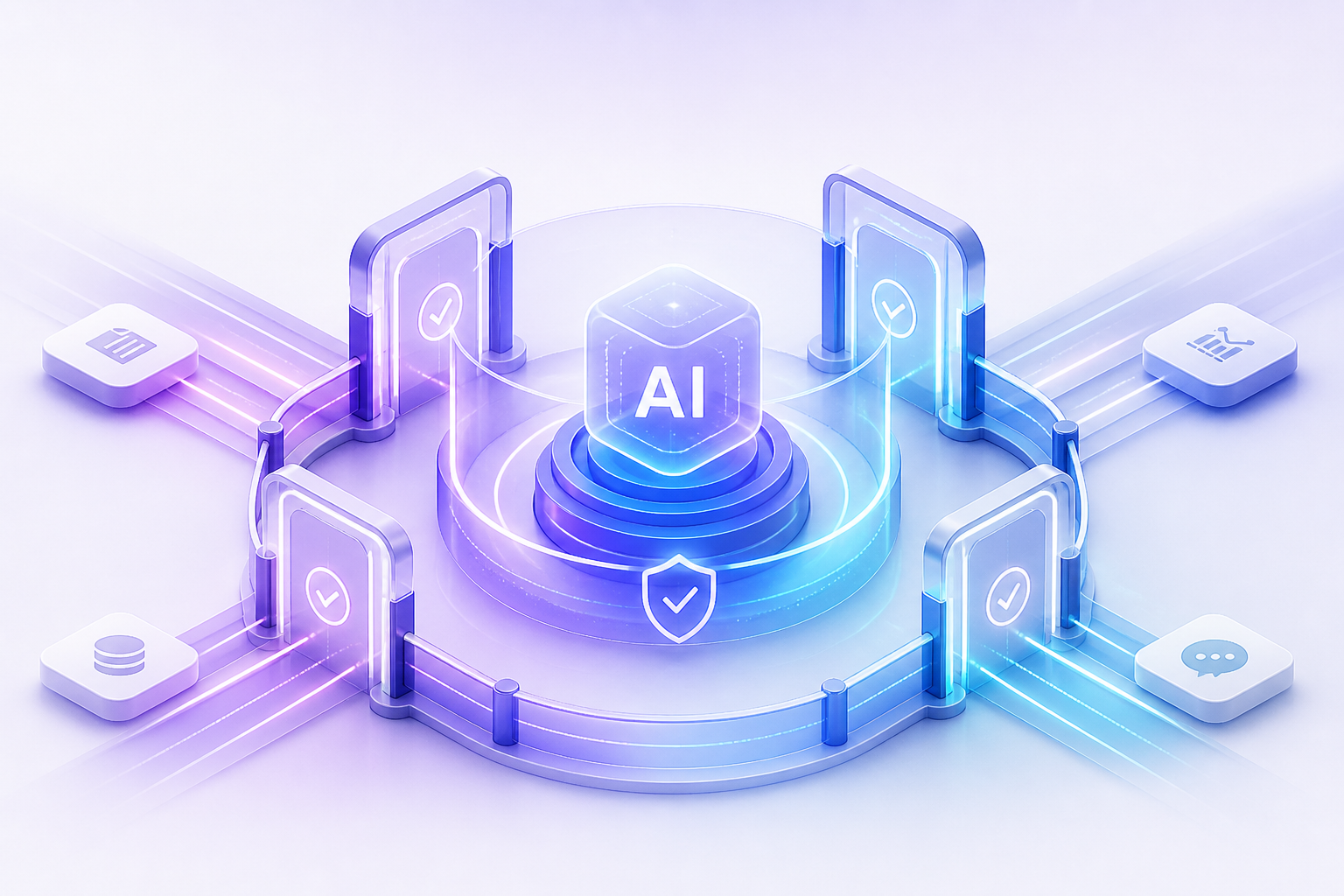
Most enterprise AI failures are architectural, not algorithmic. How to design guardrails with a risk-based approval matrix, rule-based escalation triggers, reviewer feedback loops, and full-stack controls — calibrated oversight, not maximum review.
AI maintenance costs go far beyond hosting — inference volatility, monitoring and evals, governance, and human-in-the-loop oversight. What drives post-launch spend, cost ranges by product type, and how engineering choices cut it.
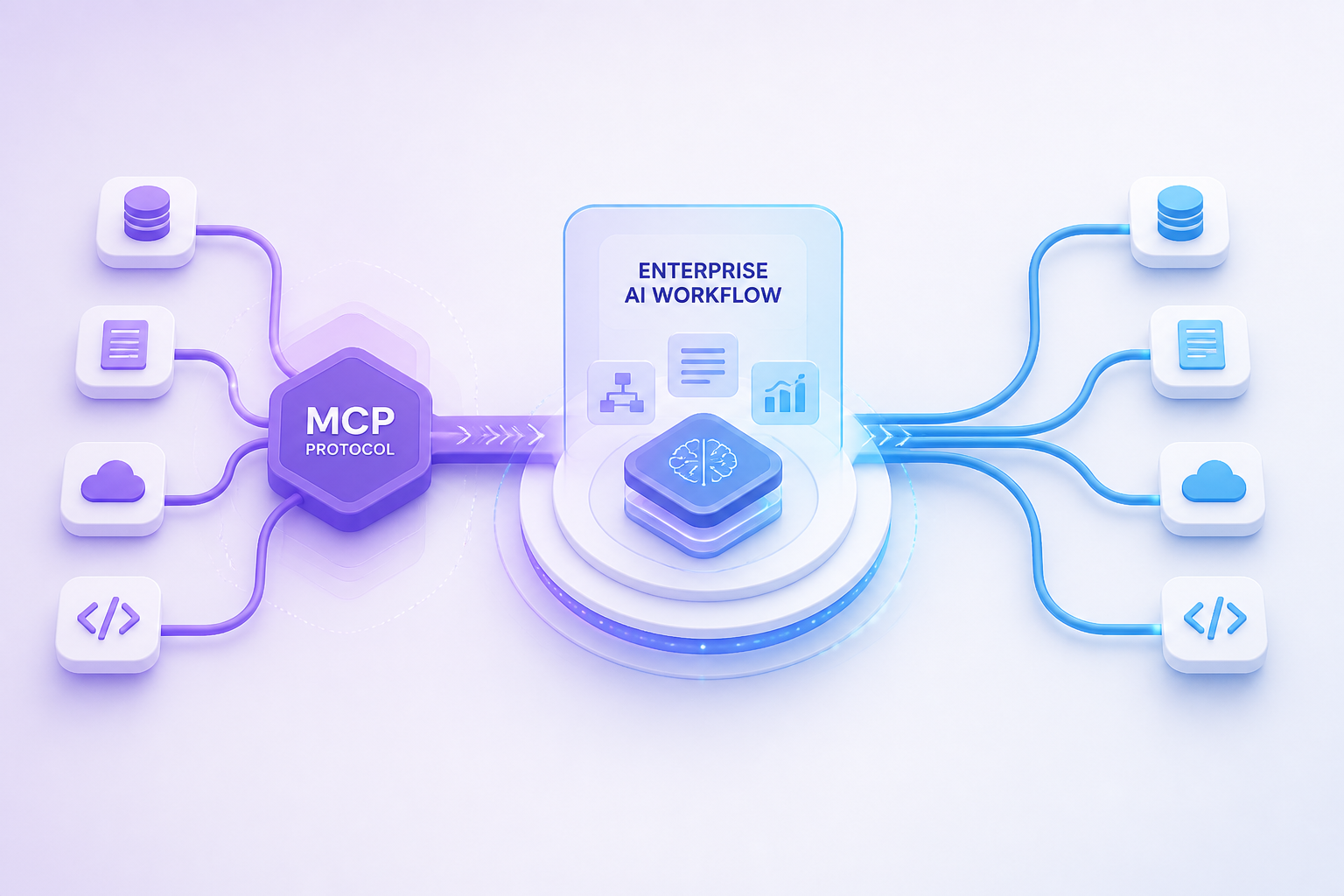
Direct point-to-point APIs or a Model Context Protocol layer? A practitioner's comparison of scalability, governance, and interoperability — when each fits, and why governance complexity arrives earlier than most enterprise AI teams expect.
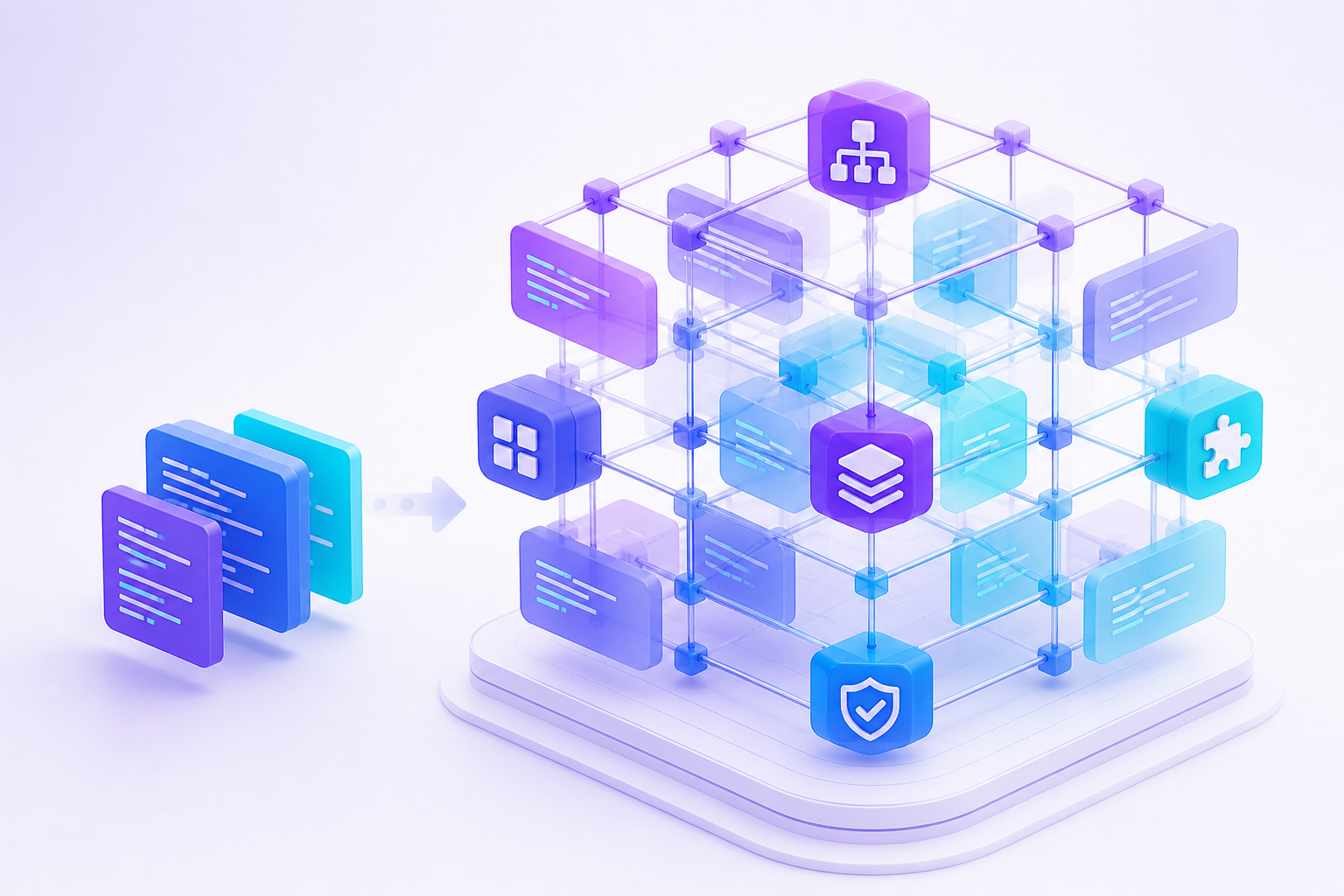
What actually breaks when AI-assisted development scales — inconsistency, shallow reviews, documentation drift — and the workflow discipline (standards, architecture-fit reviews, testing, continuous refactoring) that keeps large AI-built codebases maintainable.
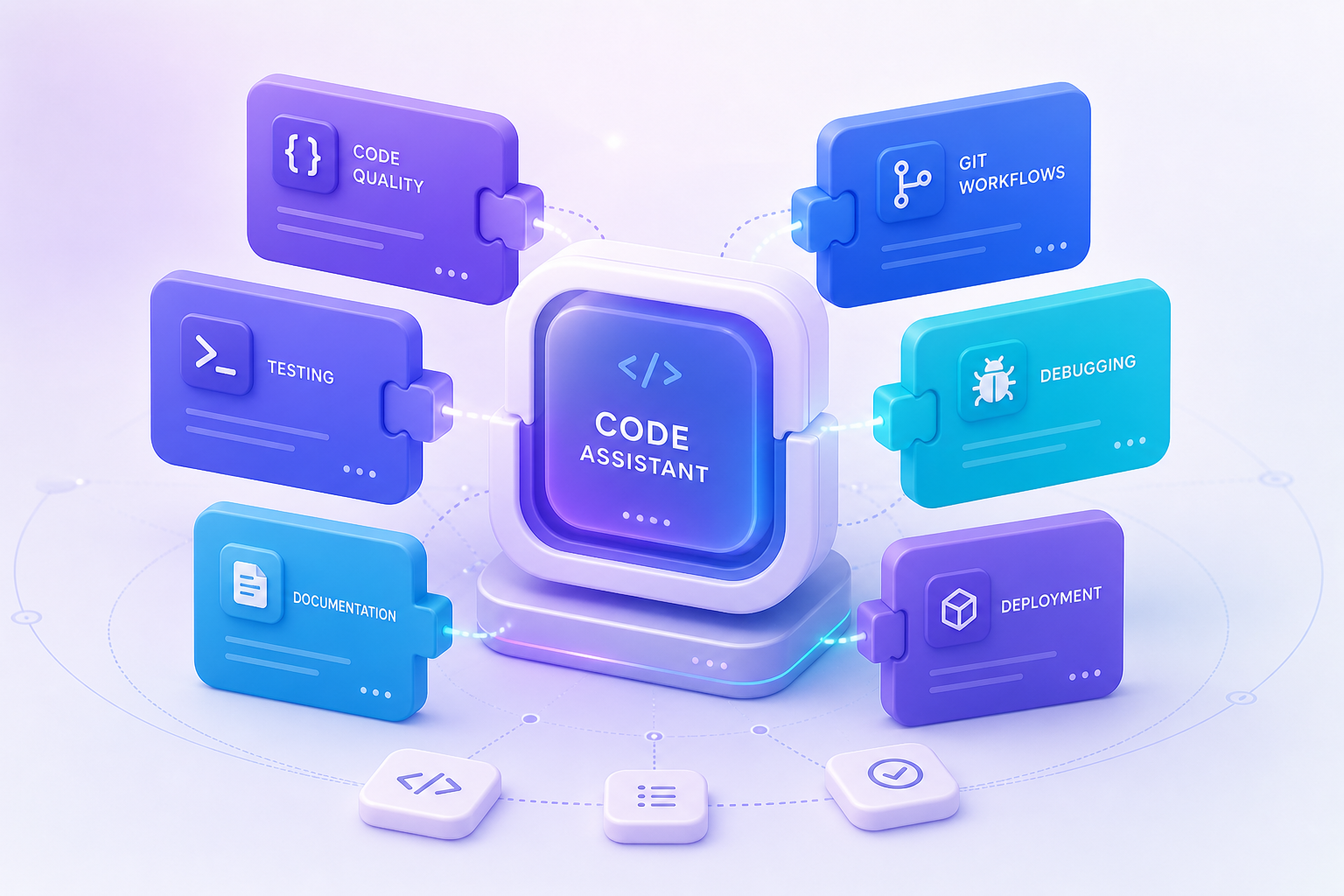
Inside how Quantum Infoway configures Claude Code skills as governed, reusable engineering workflows — narrow scope, repo context, fixed output, and review checkpoints — plus where they add leverage and where human judgment still rules.
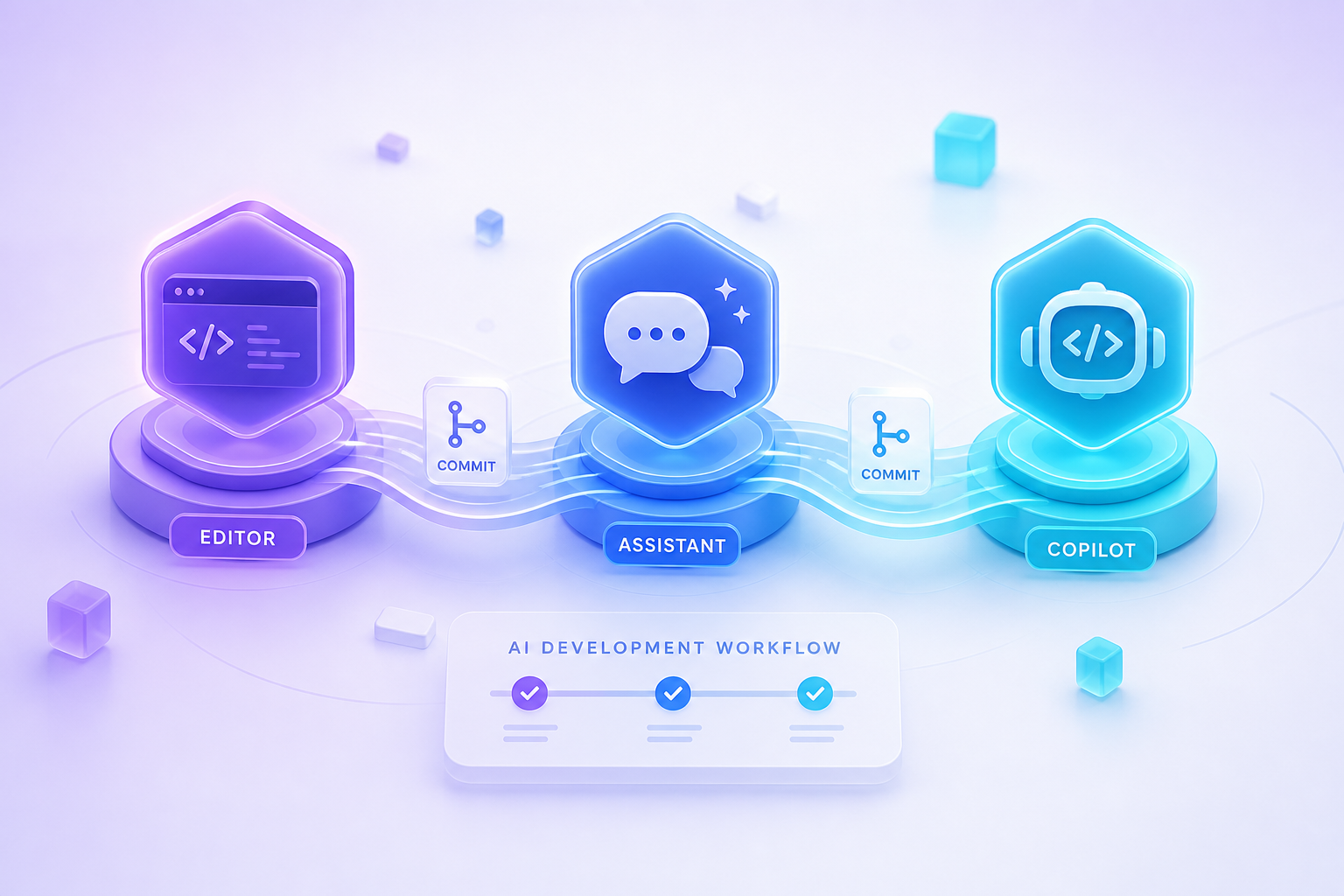
How engineering teams route work across Claude Code, Cursor, and GitHub Copilot — a standardized AI coding workflow from ticket to pull request, with the review and testing discipline that keeps quality intact.
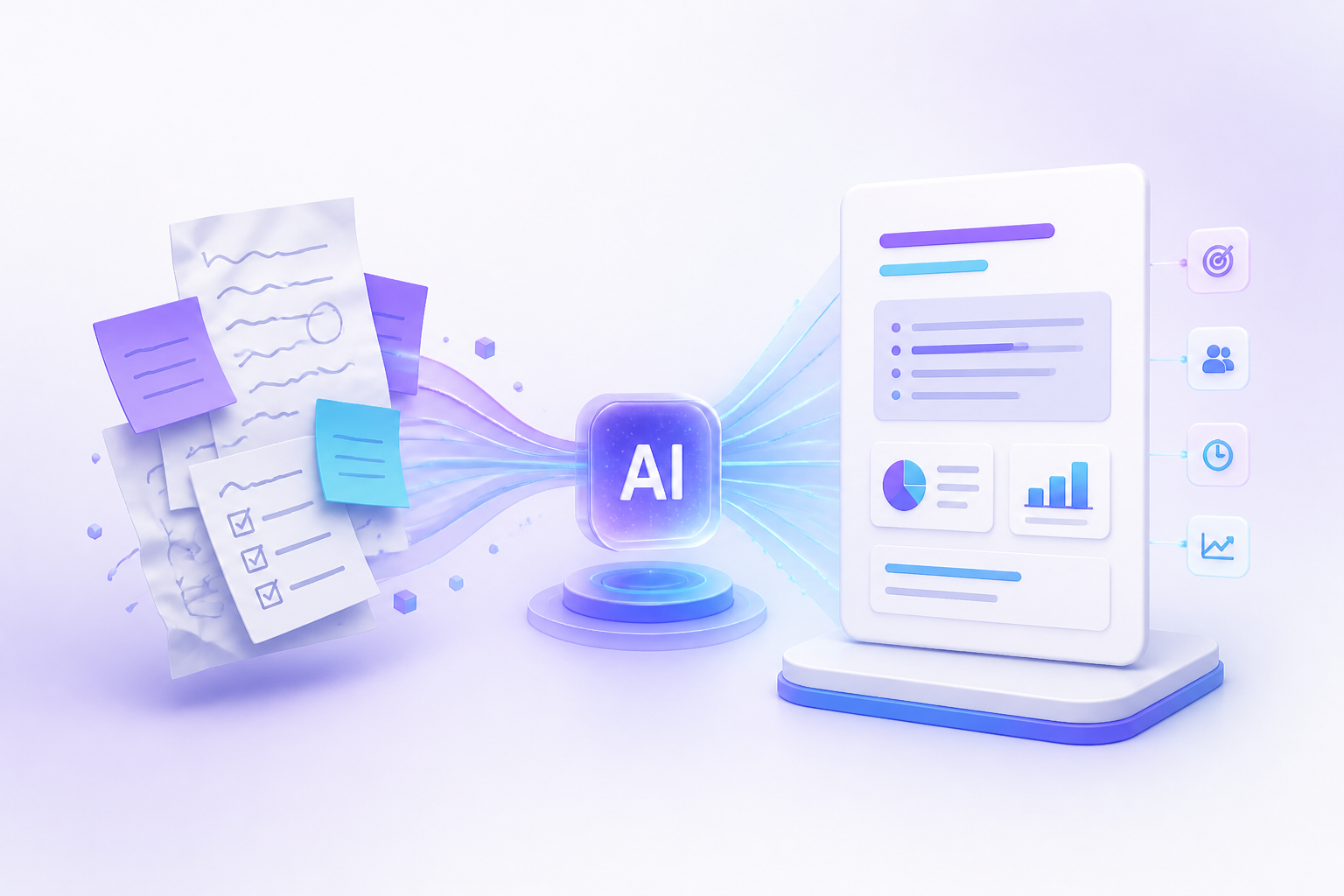
How Quantum Infoway uses AI to turn scattered inputs — notes, transcripts, BRDs, emails — into structured, gap-checked requirements and a consistent project brief, with human validation at every step.
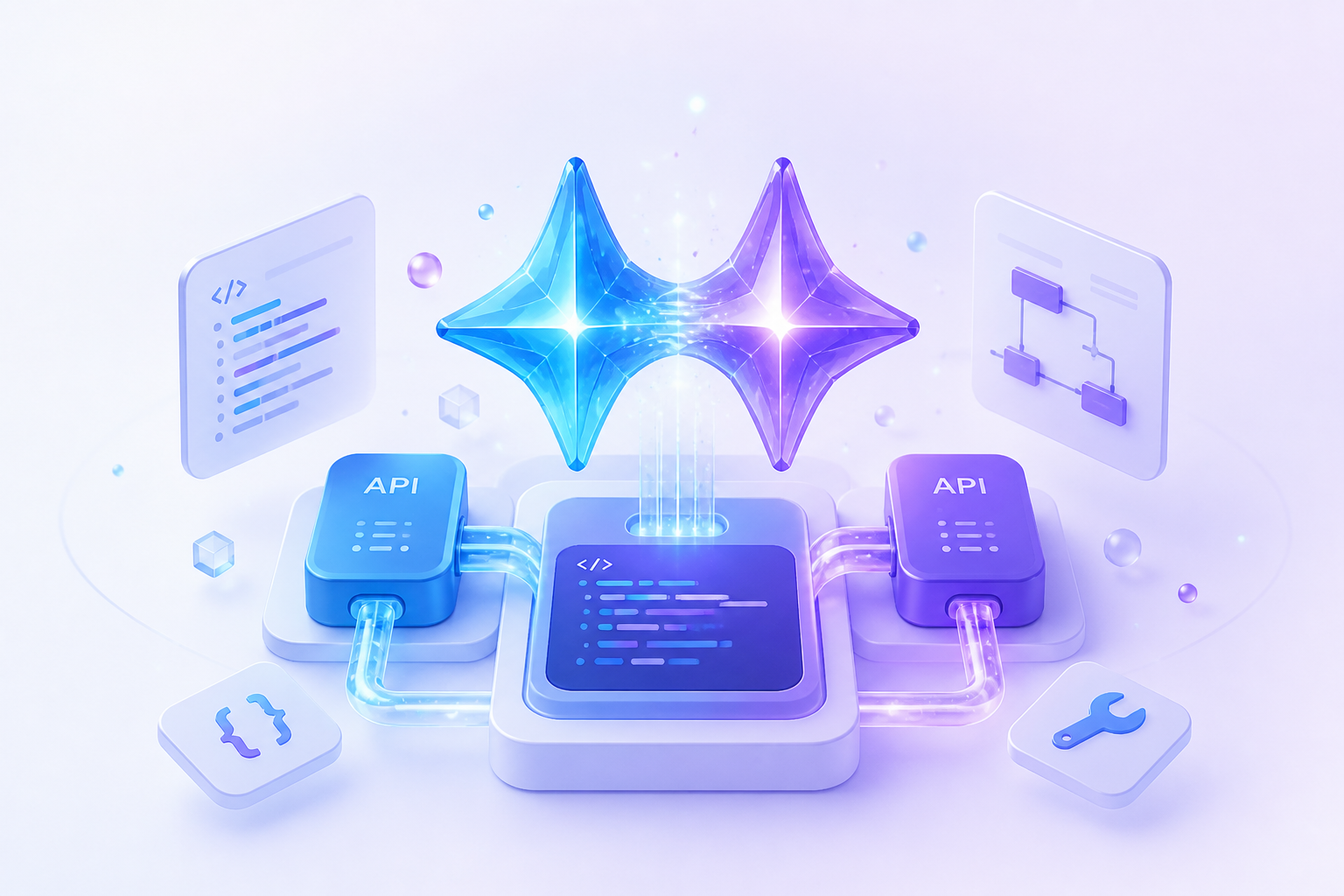
How software teams use Google Gemini across the development lifecycle — code generation, debugging, multimodal reasoning, and Gemini API/SDK integration with Google Cloud, Android Studio and Firebase.
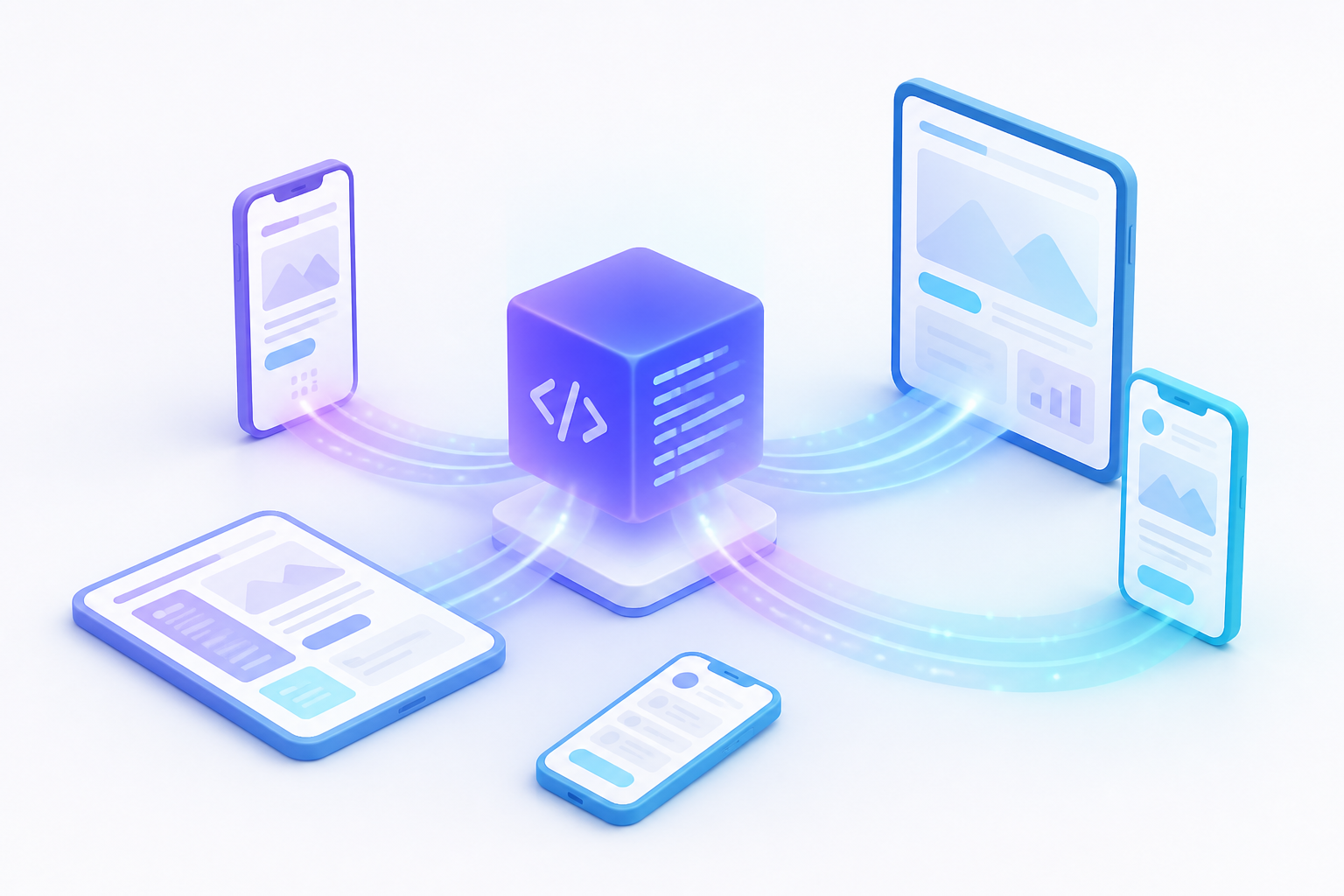
A practical guide to cross-platform mobile app development — the benefits, the top frameworks for 2025 (Flutter vs React Native), native vs cross-platform trade-offs, and how to choose.
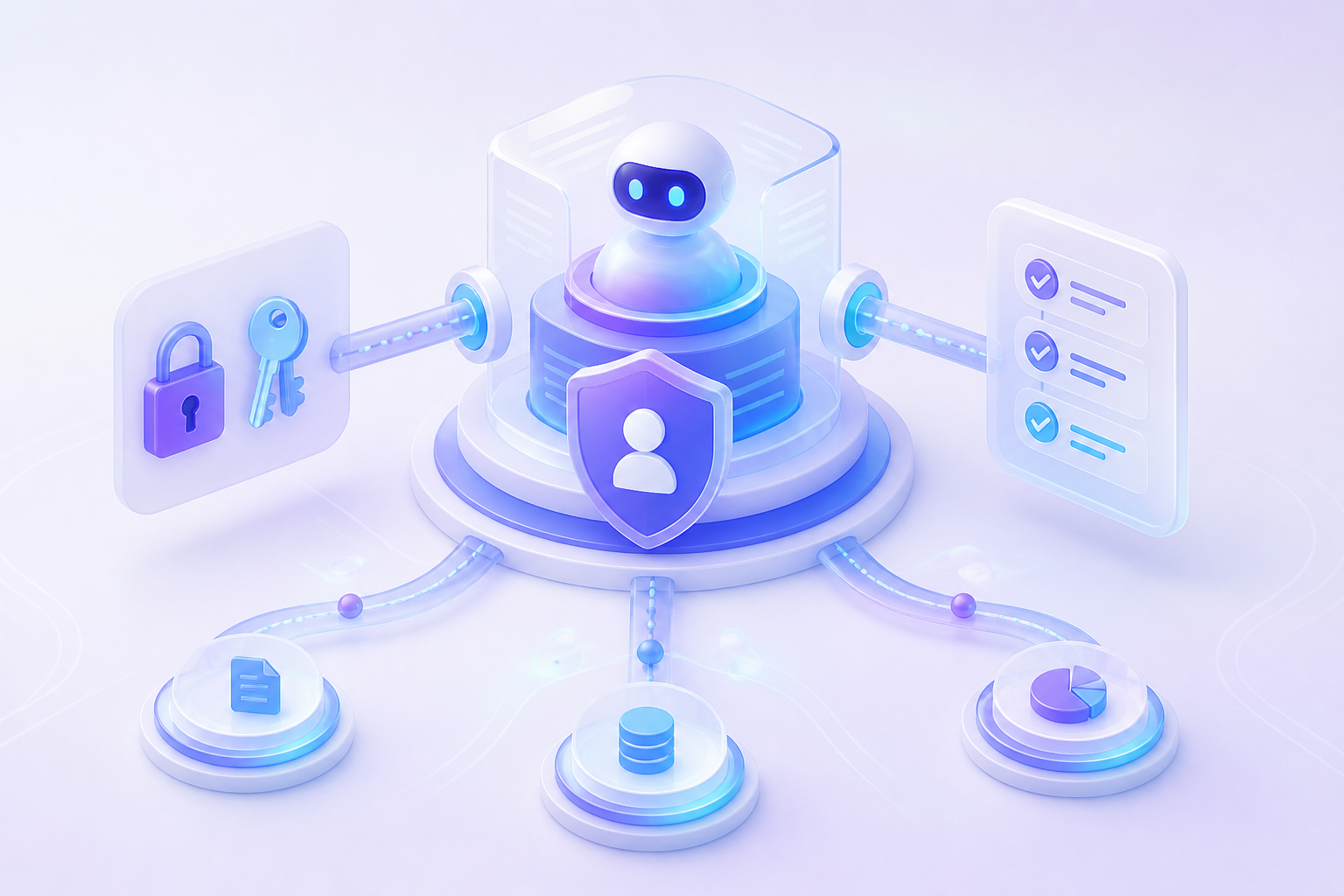
AI agents are entering enterprise operations faster than governance frameworks can keep up. Four pillars — identity, scoped access, audit trails, monitoring — and how they map to ISO 27001.
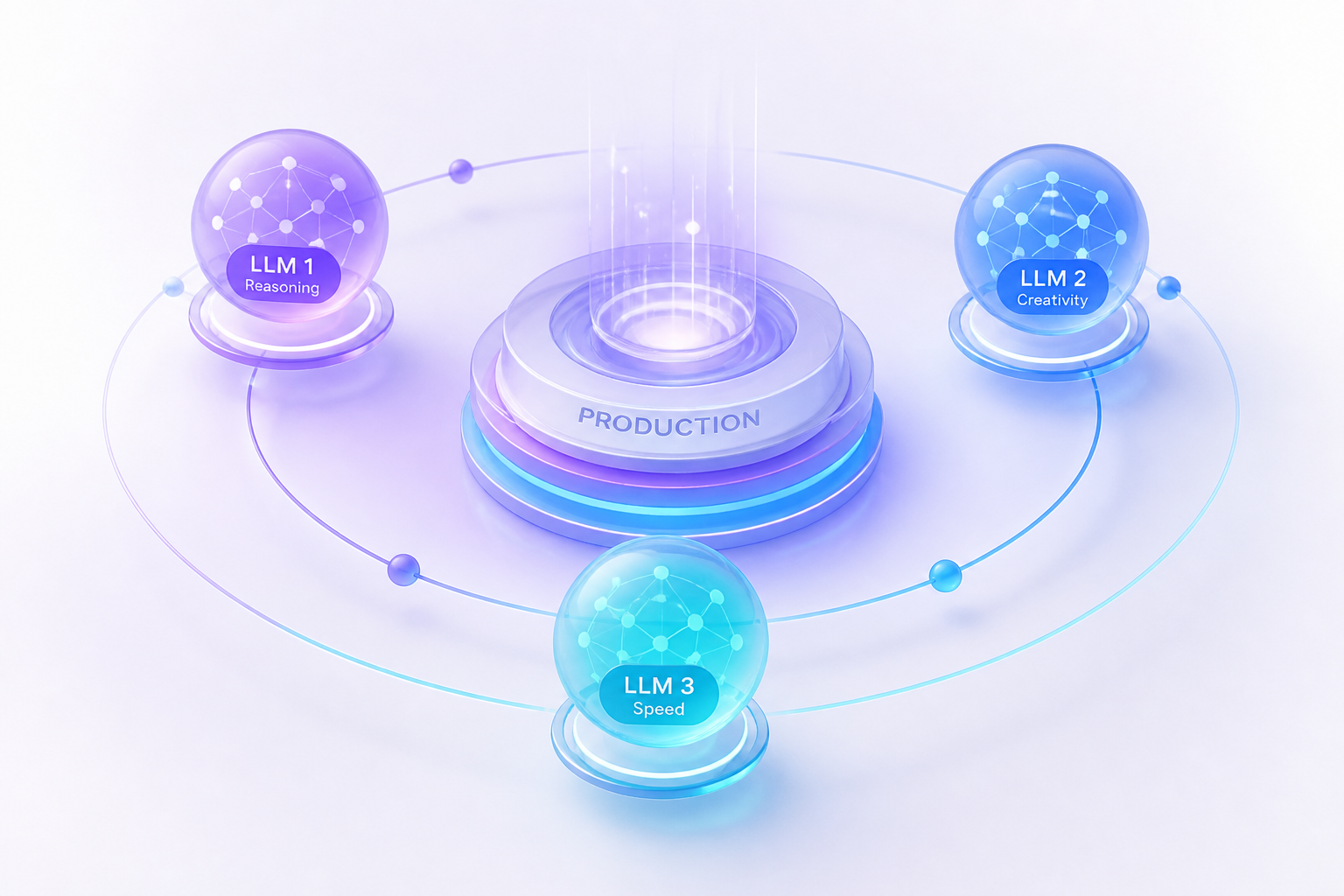
Microsoft adding Anthropic Claude alongside OpenAI in Copilot signals where production AI is going. A practical guide to multi-model routing, fallback, and procurement implications.
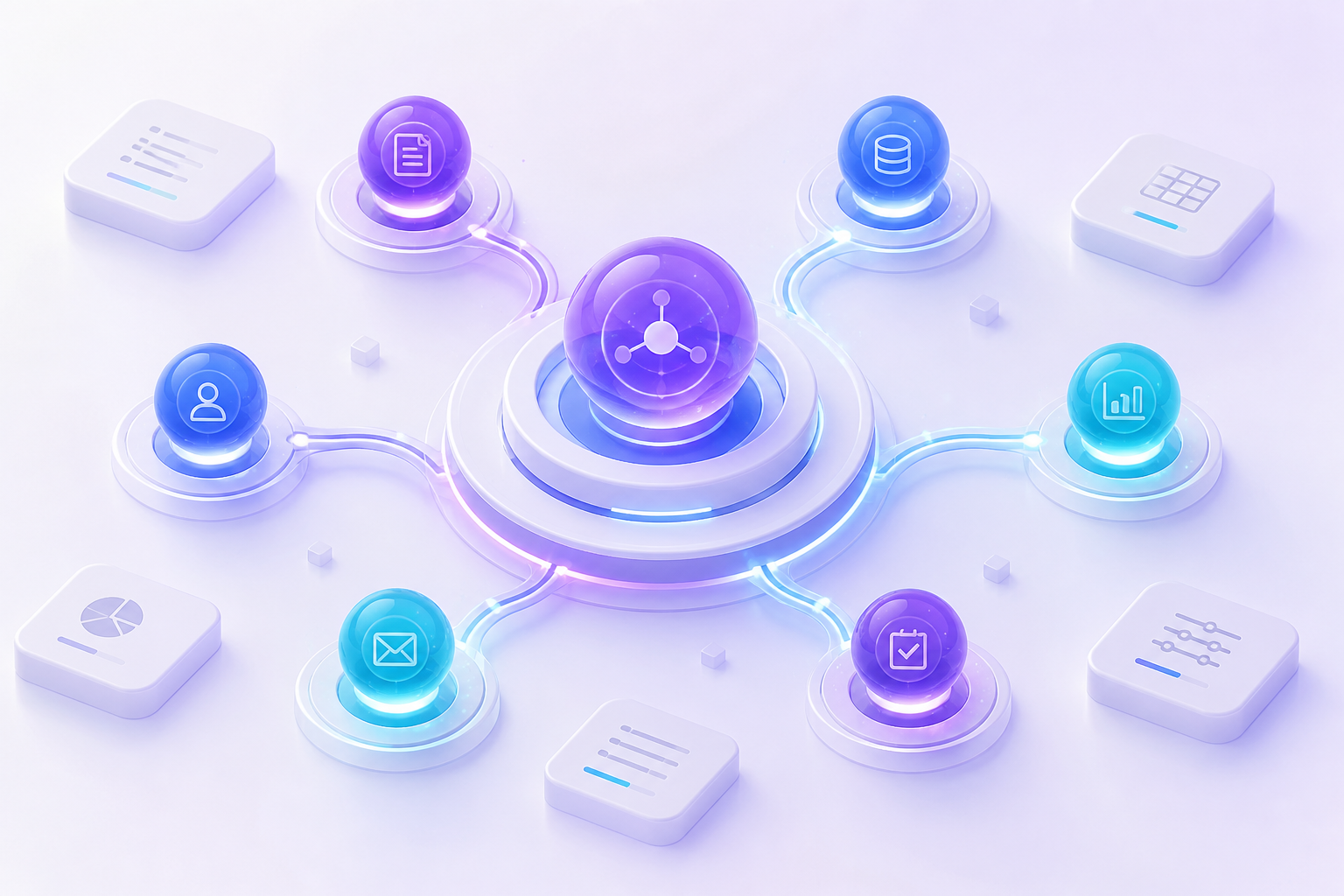
AI agents fail in production not because the model is wrong but because the system around the model is not built for autonomy. Three architectural pieces: orchestration, scoped identity, structured tools.
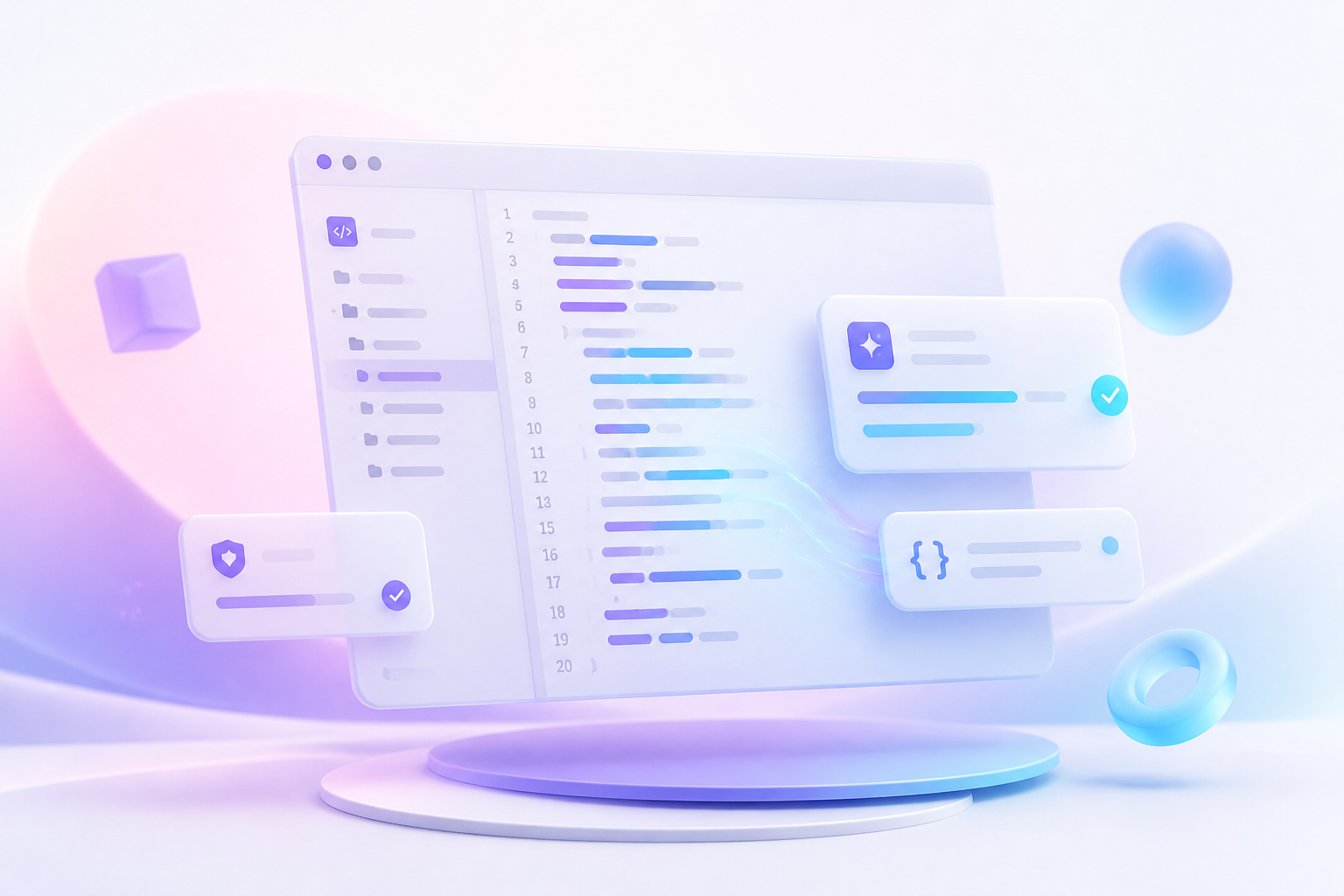
25% of YC Winter 2025 startups had codebases that were 95% AI-generated. Three patterns from production keep AI-assisted code from becoming unmaintainable at scale.
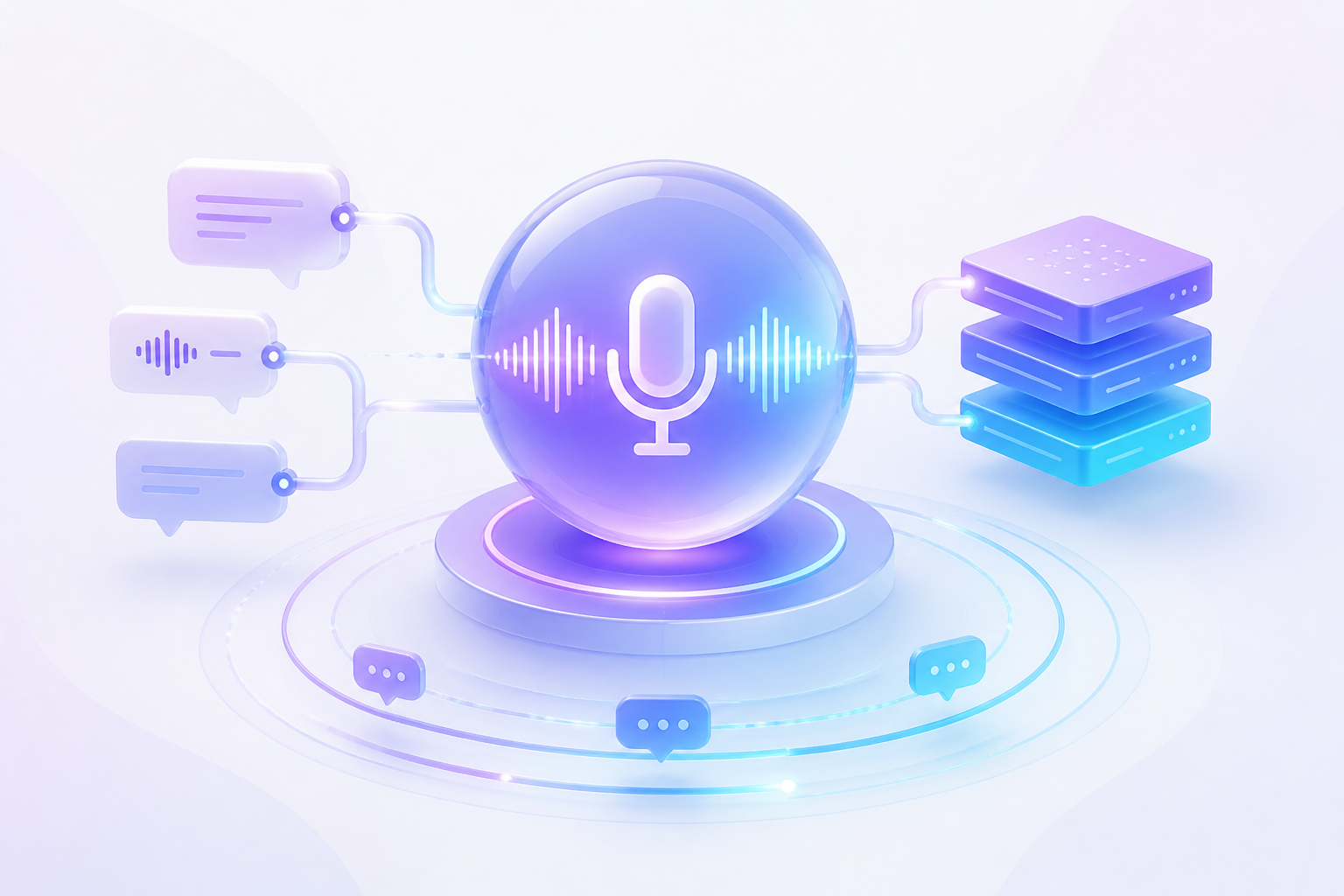
A production voice AI agent runs three integrated layers: ASR, LLM, and TTS. Each adds latency. Total end-to-end response time in production typically runs 1.5 to 3 seconds.
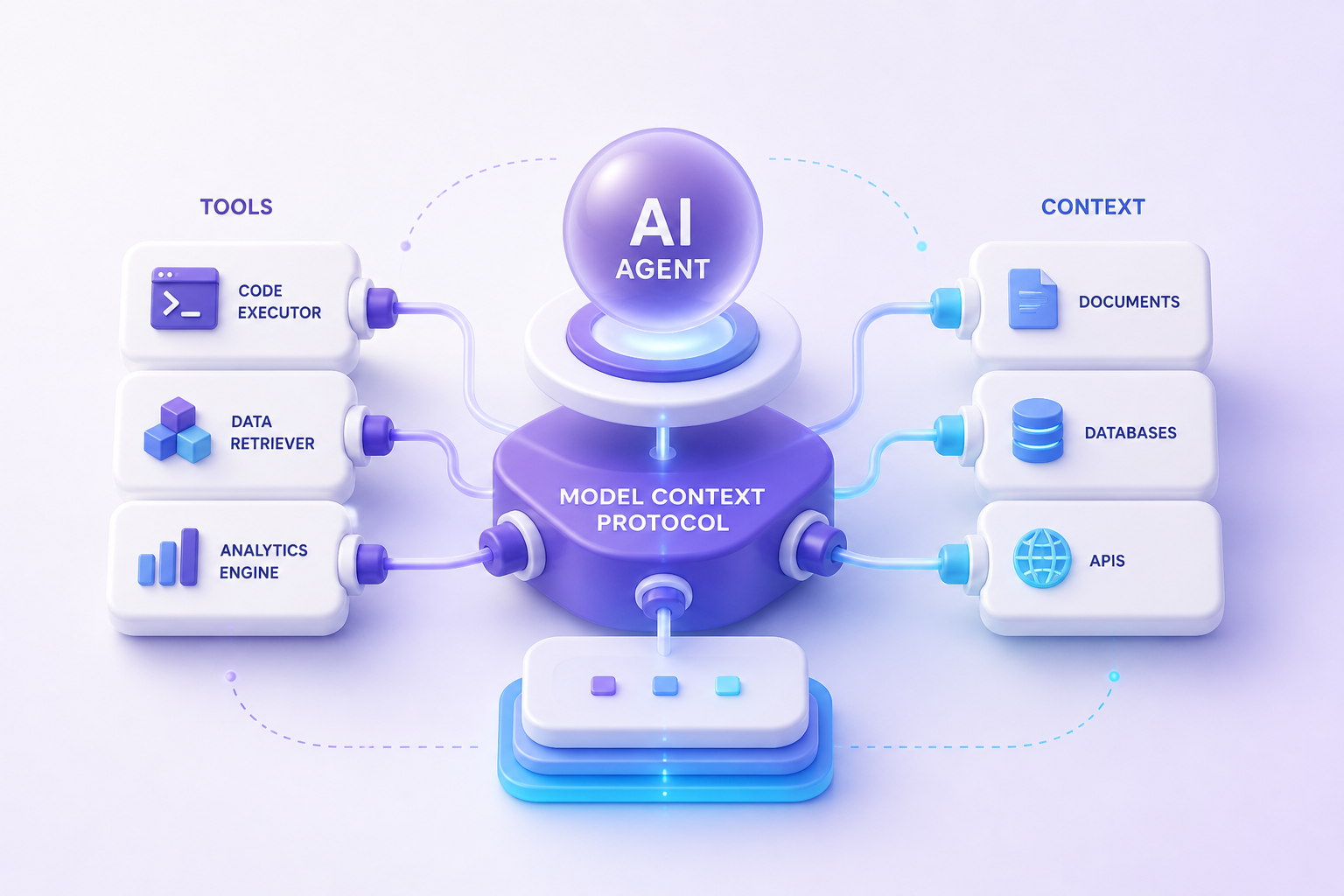
Model Context Protocol (MCP) is Anthropic's open standard for agent-tool integrations. Think USB-C for AI: one standard, many tools, far less custom code.
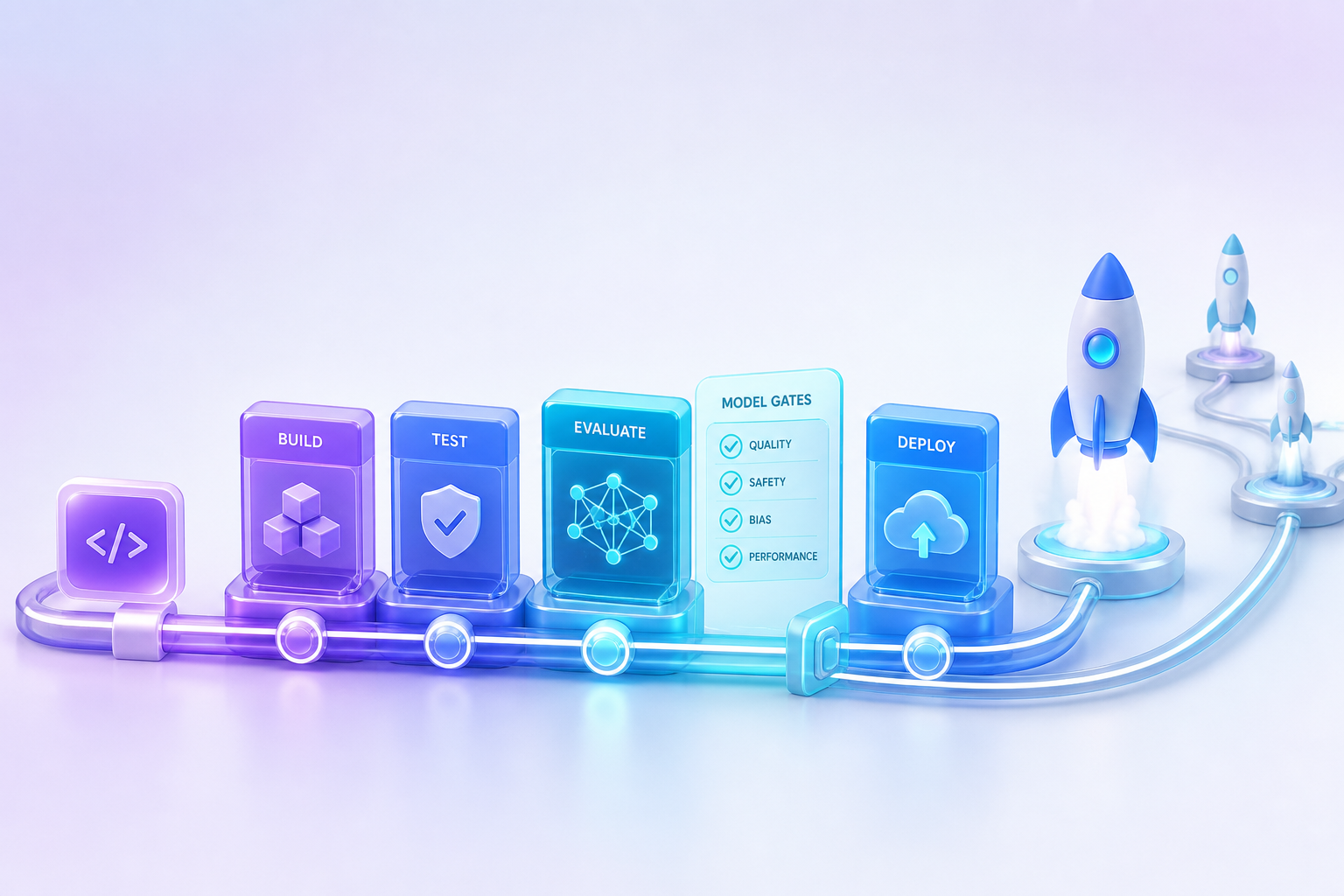
Traditional CI/CD assumes deterministic code. AI agents do not. You need a separate evaluation layer, prompt and model versioning, behavioural monitoring, and canary rollouts that catch regressions.
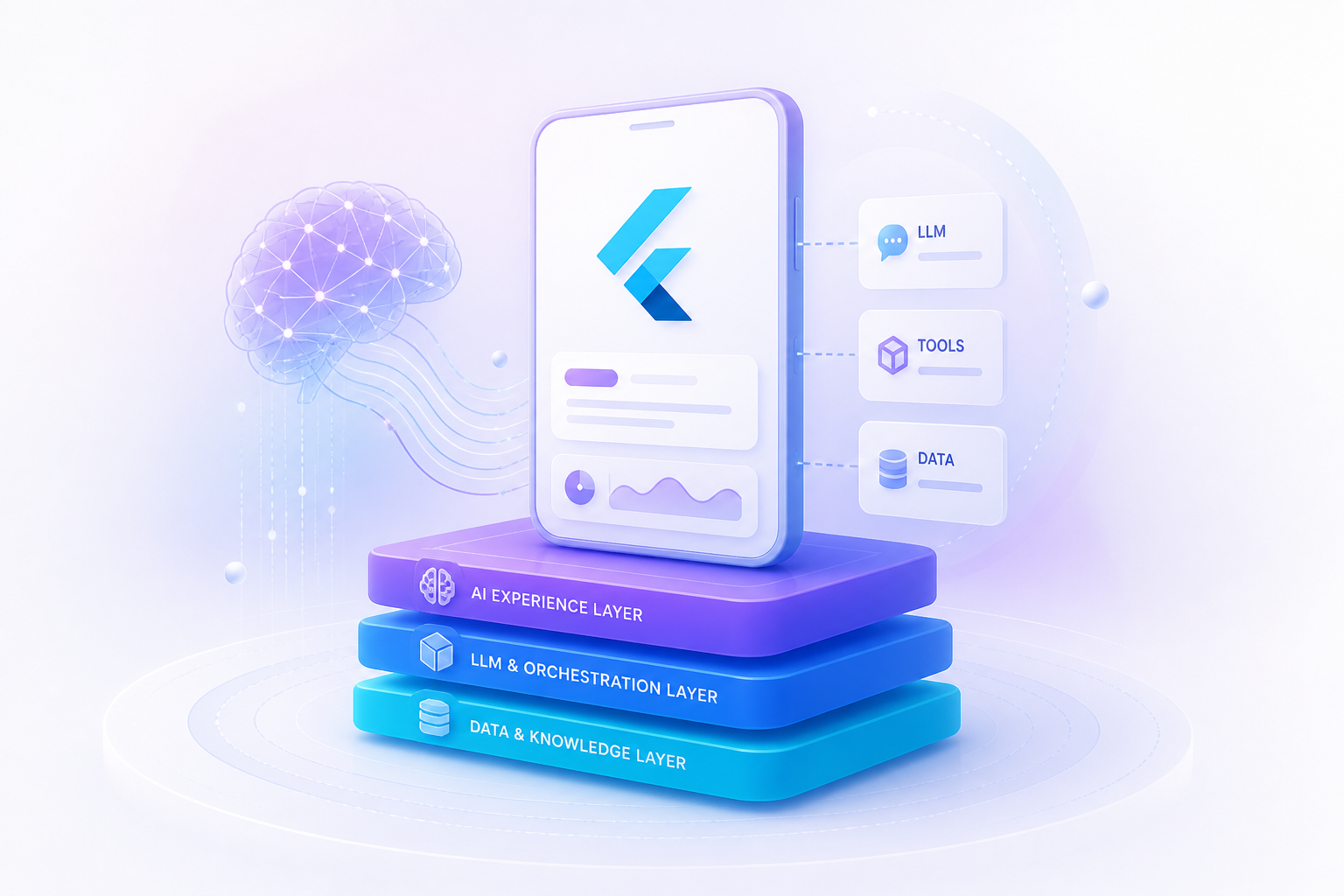
Adding LLM features to Flutter apps is easy to prototype but hard to scale. Latency, cost control, and graceful offline fallbacks are the three production challenges that matter.
Xano wins for enterprise deployments, MVPs that need to scale, internal tools, and regulated workloads. Supabase wins for SQL-native teams with pgvector. Custom backends only when truly specialised.
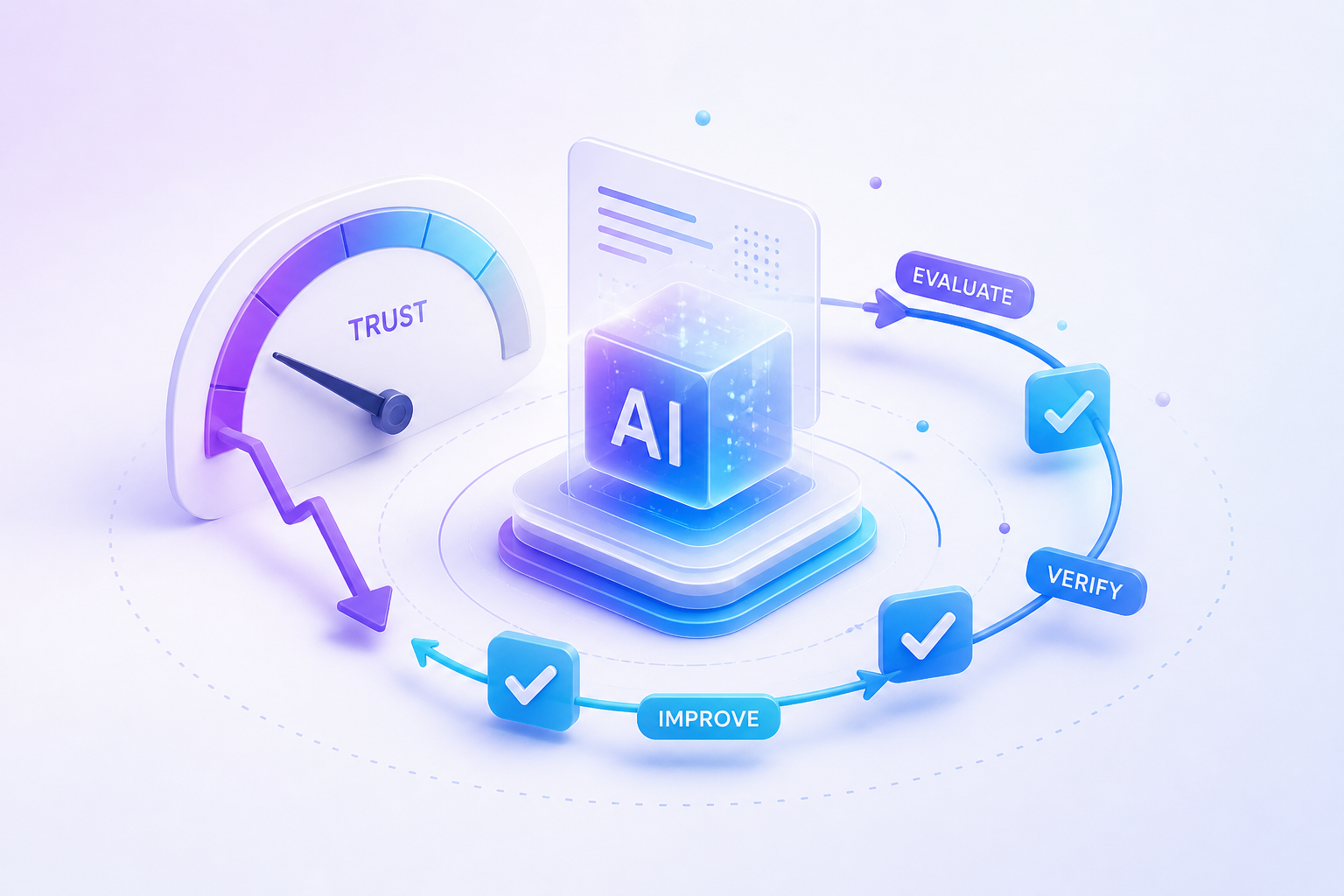
Developer trust in AI output fell from 40% to 29% between 2023 and 2025. The fix is not better prompts — it's continuous evaluation frameworks embedded in the workflow.
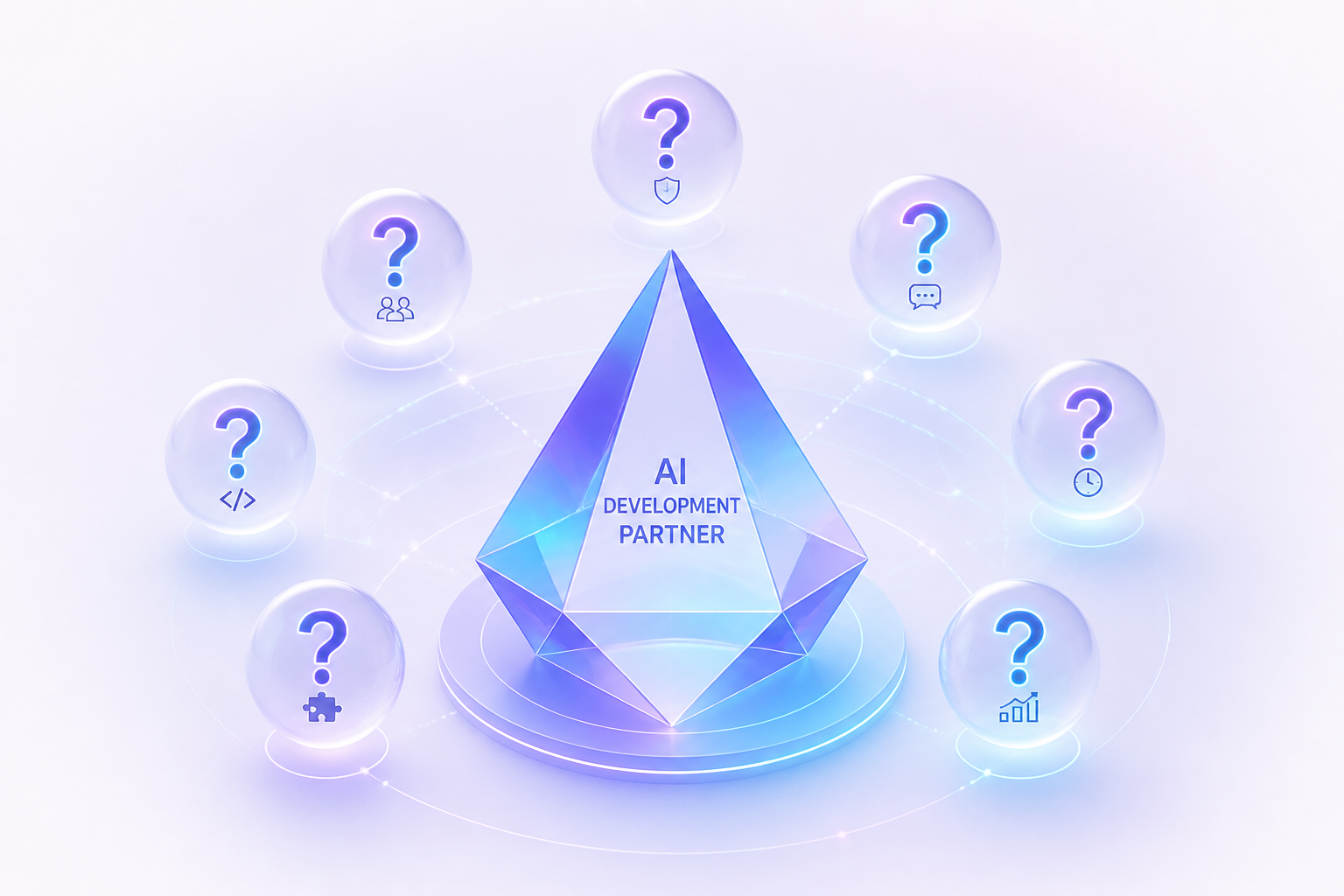
Most AI projects fail after the demo, not during it. These 7 questions reveal whether a partner can actually take a working prototype into production and keep it healthy.

AI agent development in 2026 ranges from $8K for a simple PoC to $150K+ for a production multi-agent system. The primary cost driver is integration complexity, not the AI model itself.
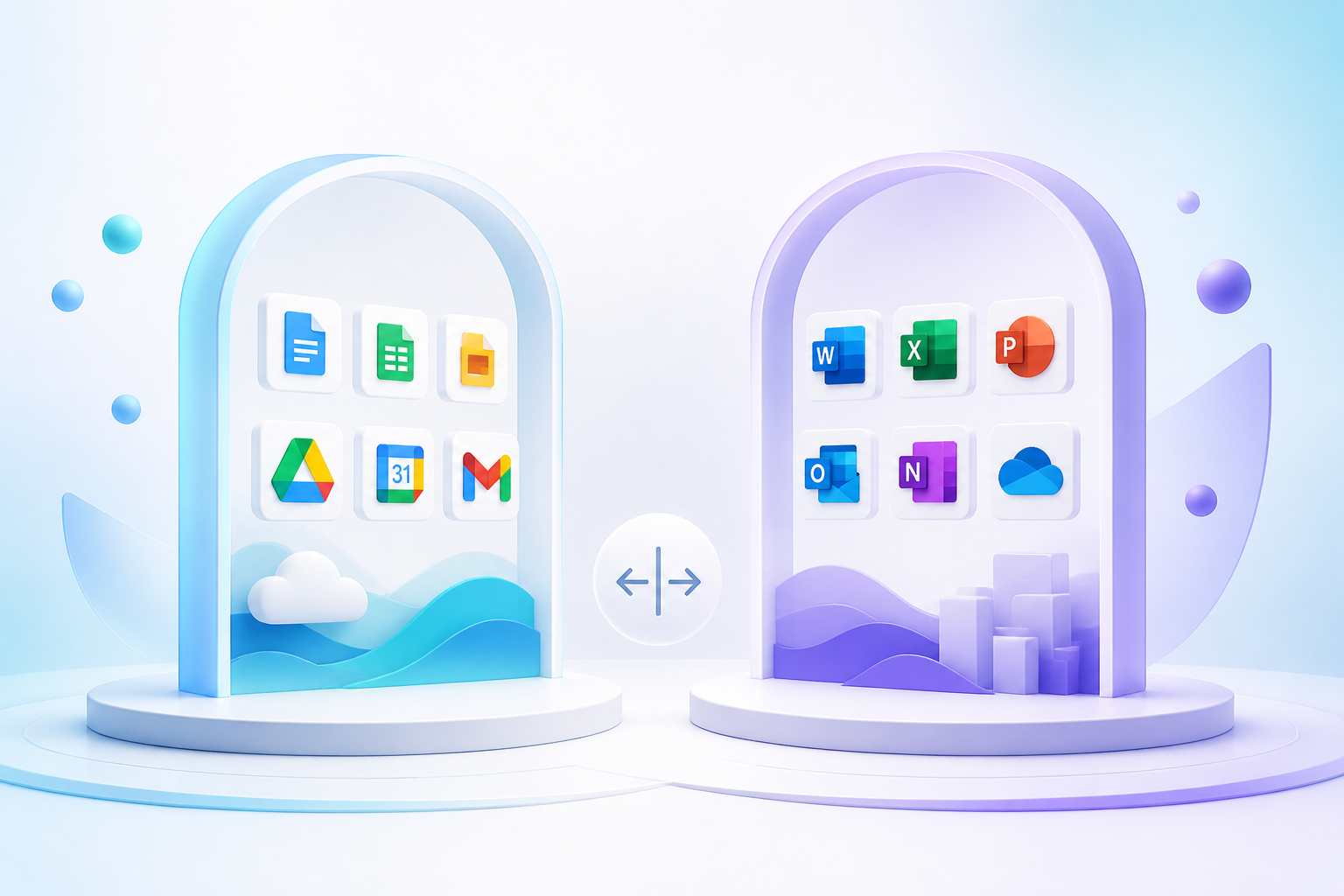
Google Workspace wins for browser-native teams that want deeper AI collaboration. Microsoft 365 wins for Windows-heavy environments with Office desktop dependency.
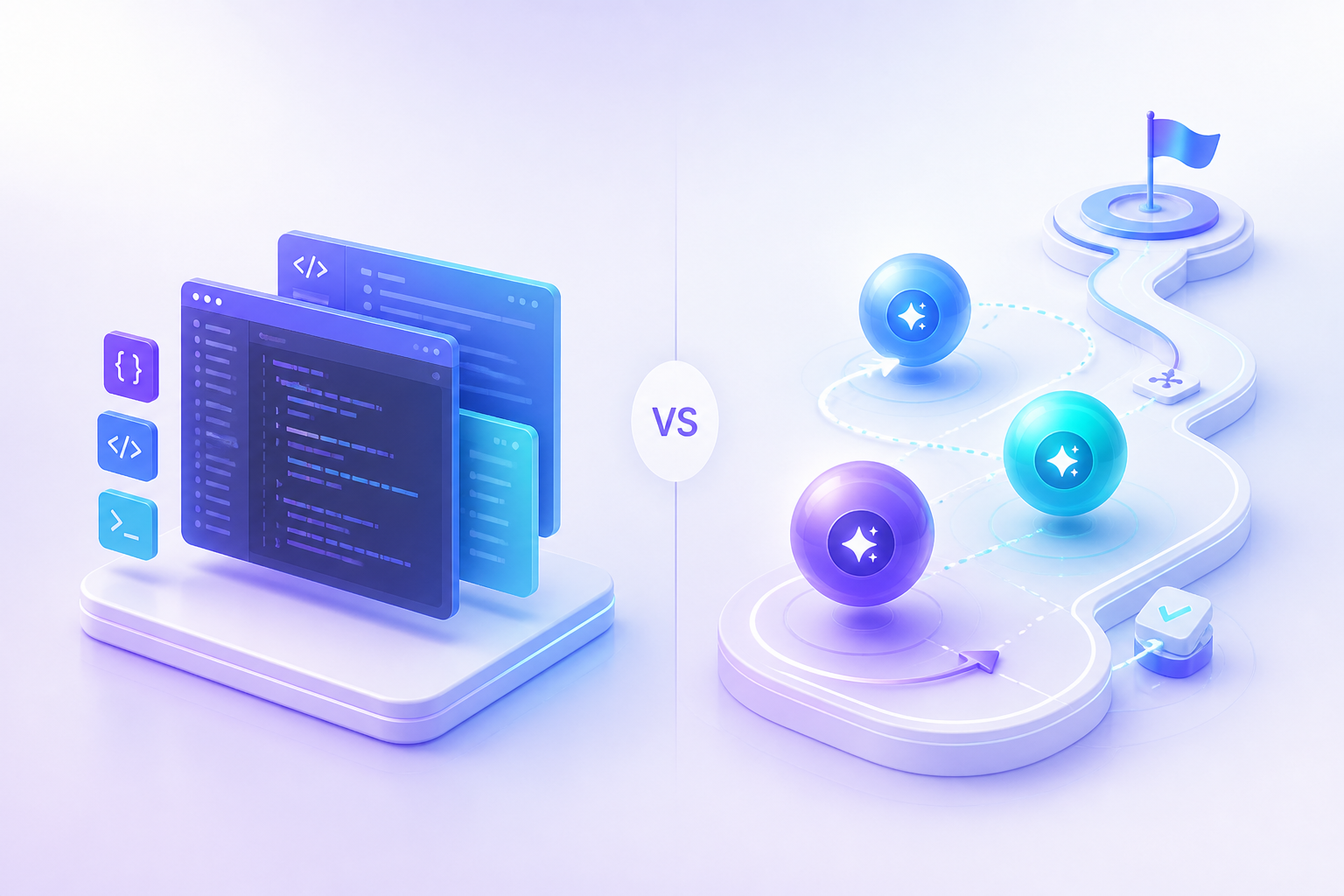
Run both. An IDE assistant like Cursor or Copilot for in-flow speed, and a terminal agent like Claude Code or Codex for multi-step work. Updated for the July 2026 tool and model landscape.
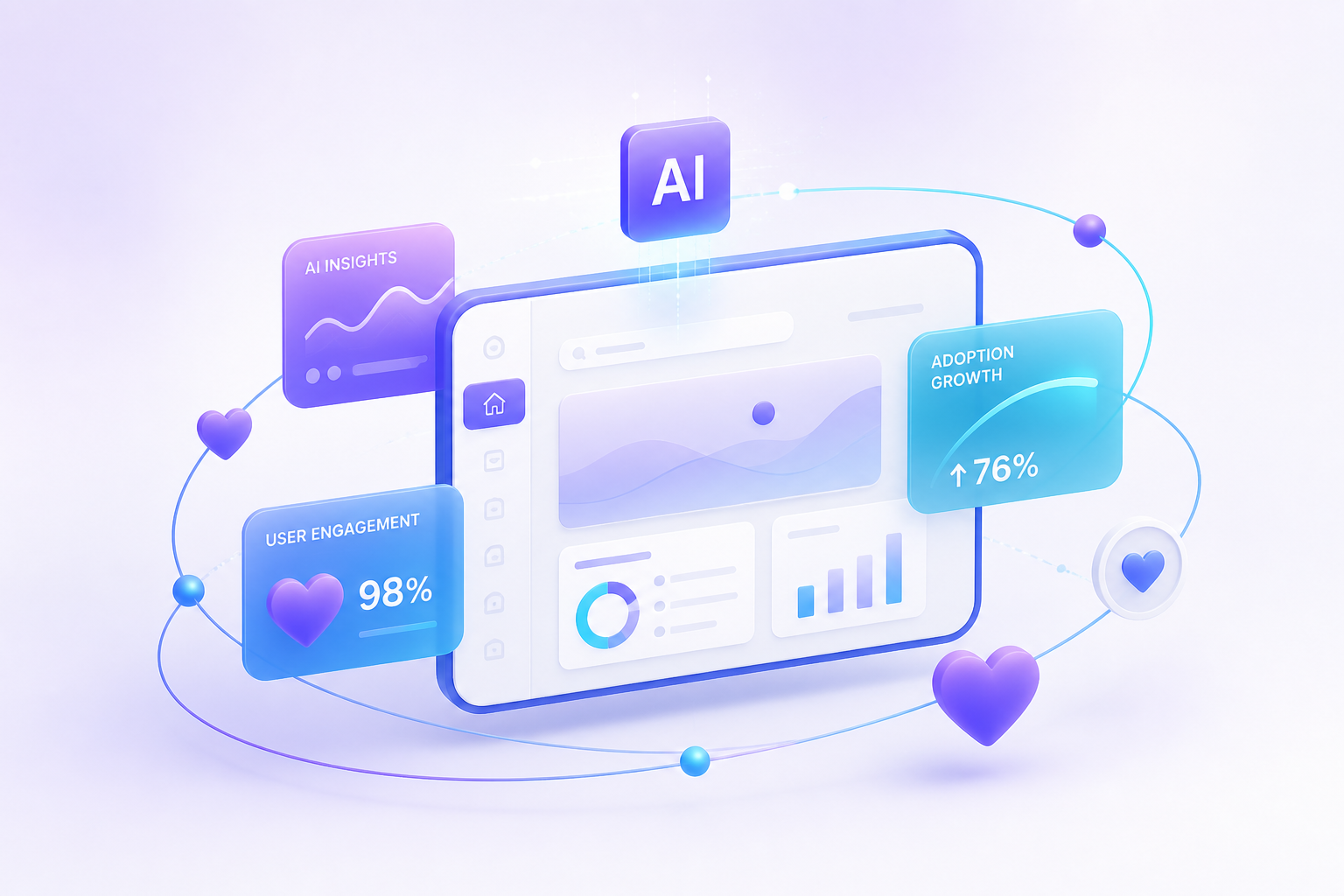
How AI-driven UI/UX design improves engagement and product adoption through predictive UX, personalisation at scale, and continuous optimisation.

A practical framework for evaluating GCP vs AWS vs Azure — six decision criteria, GCP's real strengths and weaknesses, and when each cloud is the right choice.
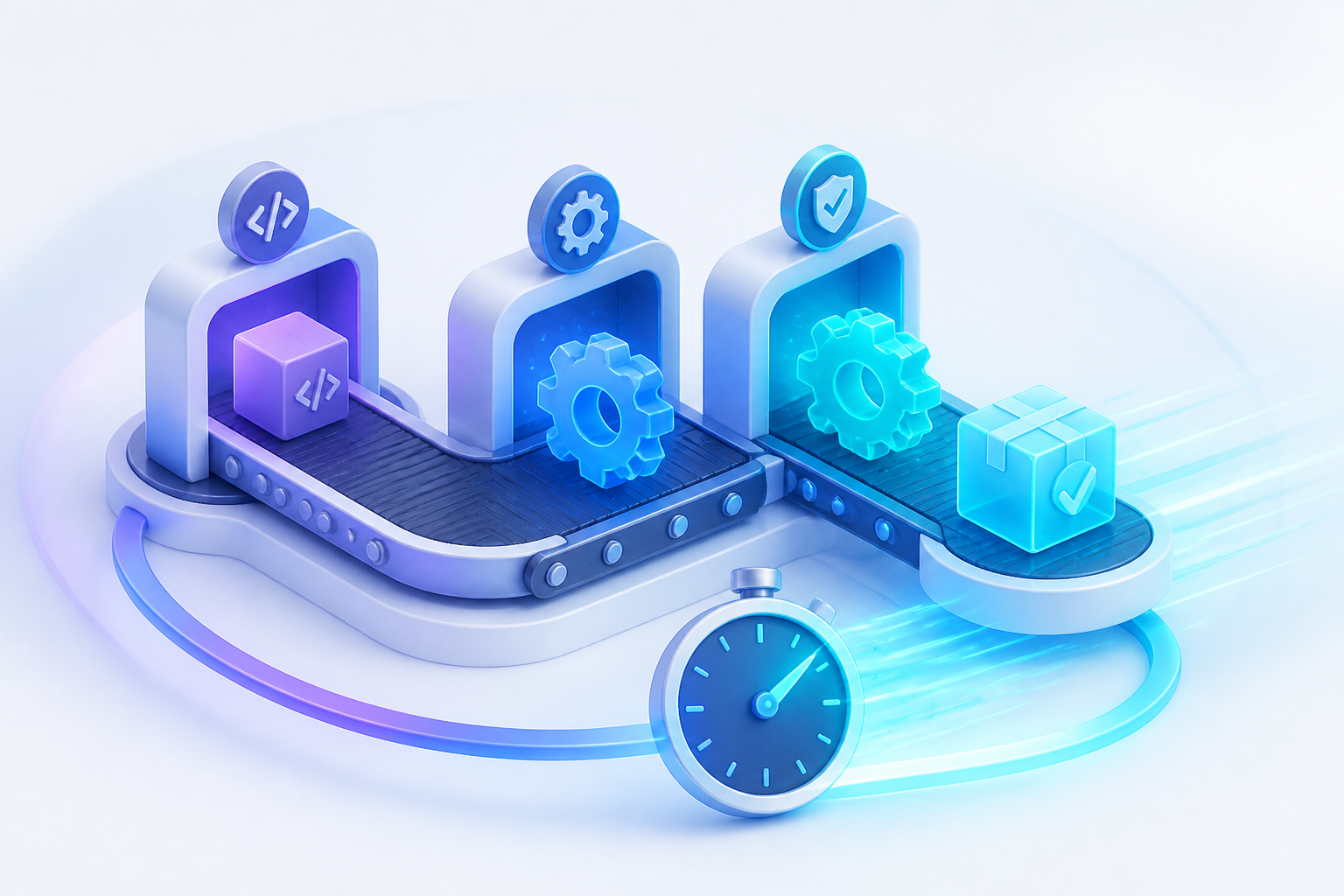
How DevOps automation accelerates delivery — CI/CD, deployment automation, IaC, DevSecOps, and best practices for cutting release cycles in complex projects.
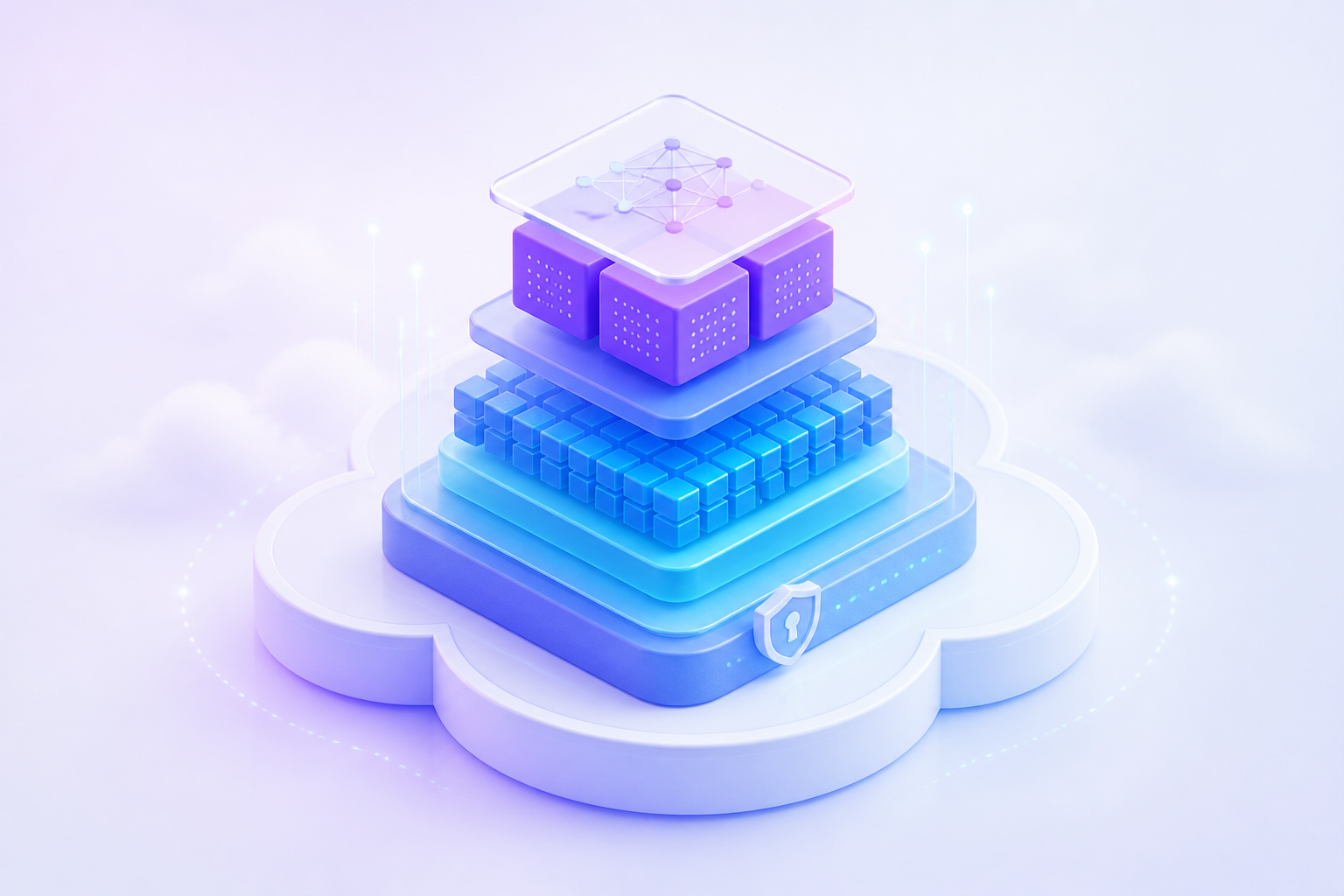
How to deploy production AI with Amazon Bedrock — architecture, serverless patterns, model orchestration, real use cases, security, and best practices.

Google renamed Vertex AI to the Gemini Enterprise Agent Platform in May 2026, same APIs, agent-first packaging. The strongest use cases, chatbots, predictive ML, document processing, and enterprise MLOps, all still apply.
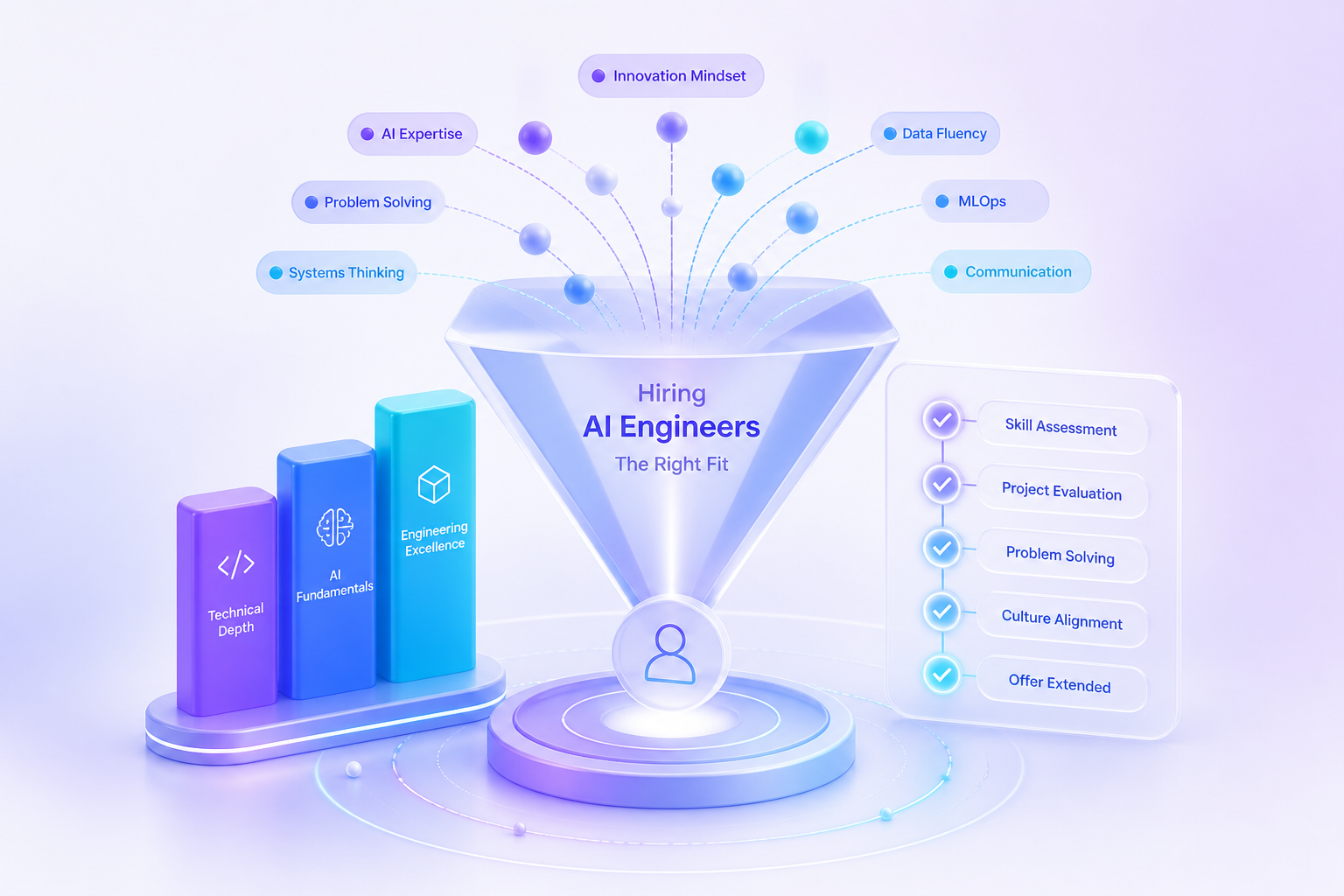
Hiring an AI engineer in 2026? Here are the five technical skills, three soft skills, and a practical evaluation framework that consistently predict success.
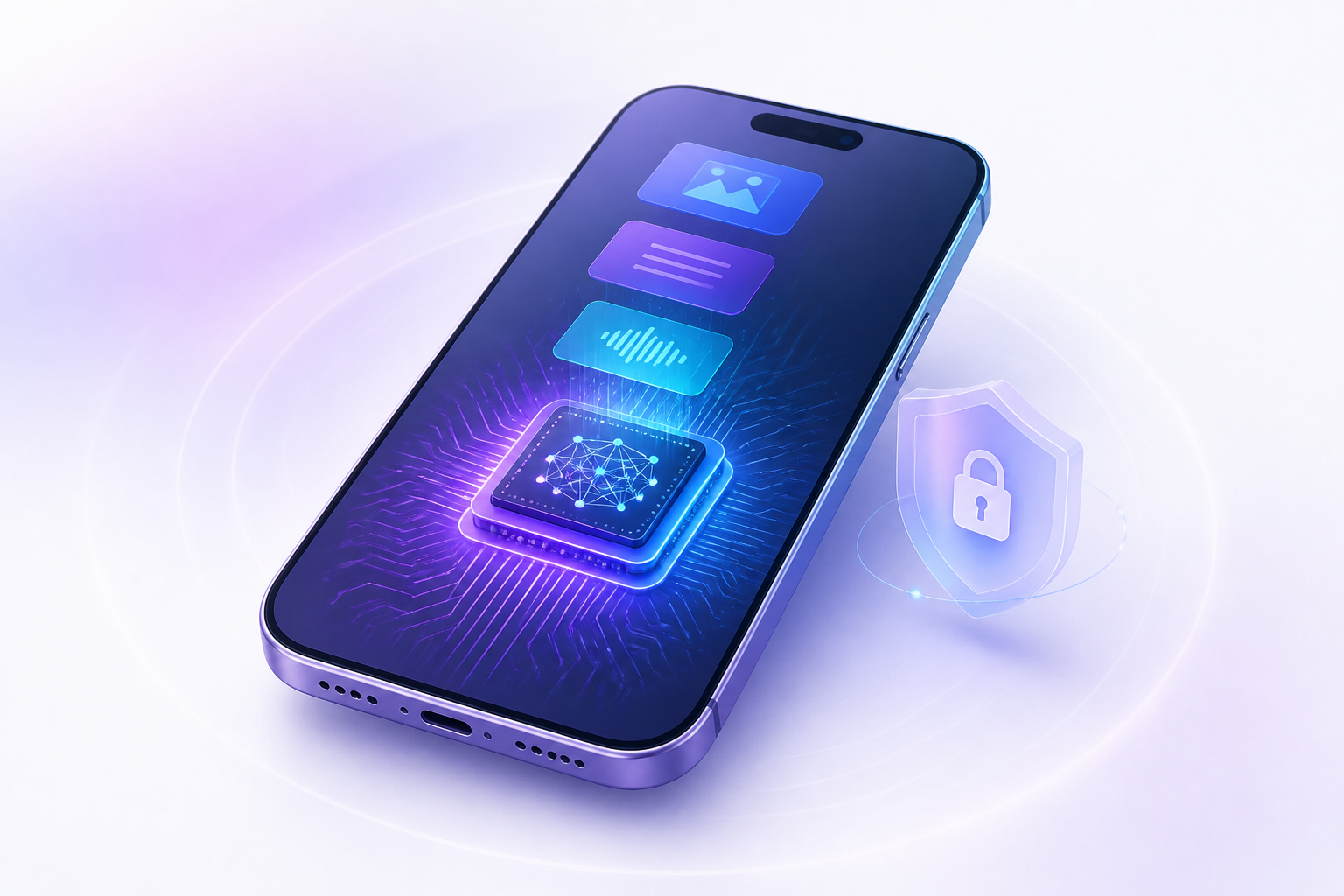
How on-device AI transforms iOS apps — Core ML, Apple Neural Engine, model deployment, real-world use cases, and what it unlocks for privacy and performance.
How to use Azure OpenAI Service to build smarter digital products — features, integration steps, compared to Azure AI Services and Foundry, and real use cases.
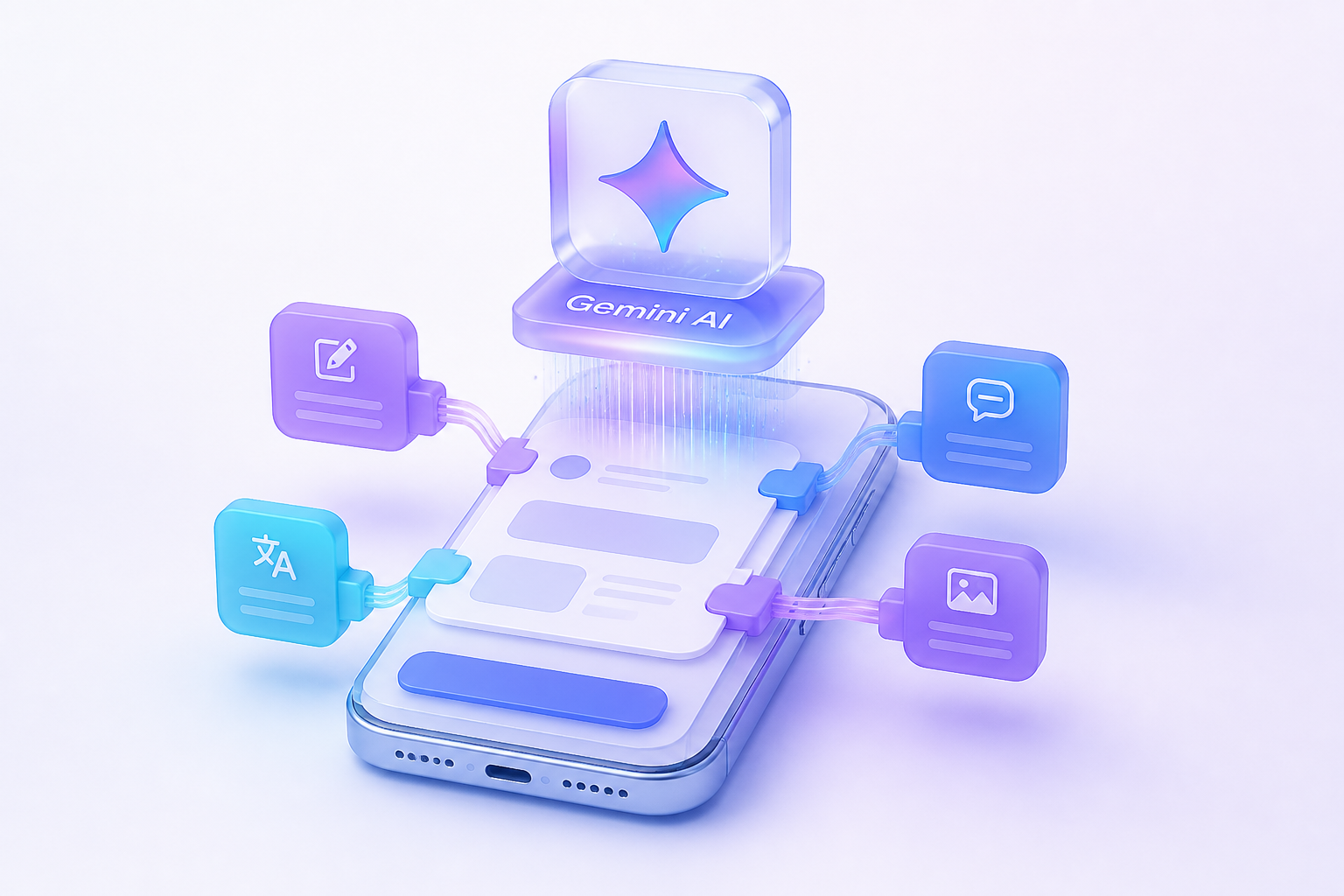
How to integrate Google Gemini AI into Android apps — Gemini Nano vs Pro, SDK setup, multimodal use cases, best practices, and what it unlocks for products.
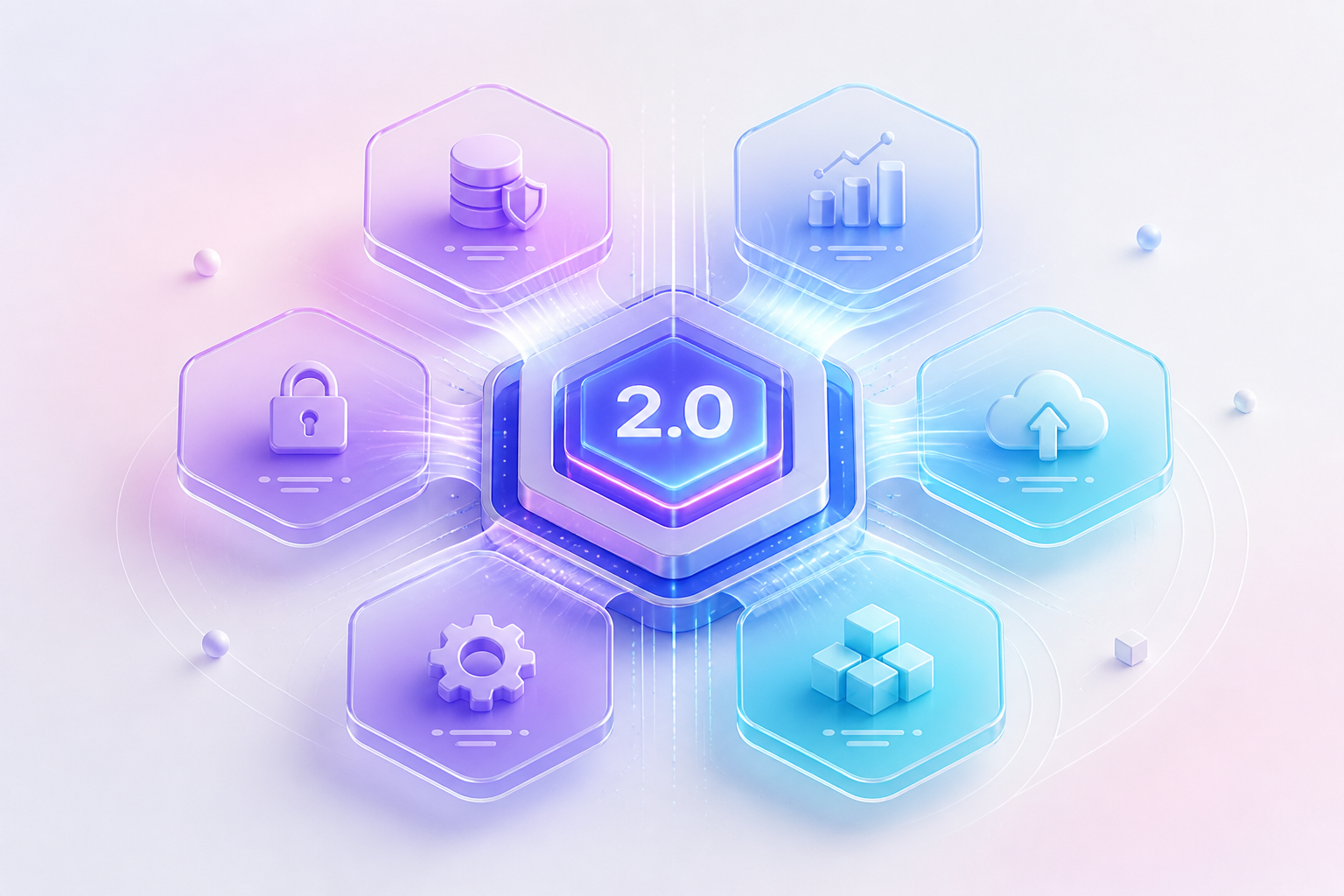
What's new in Xano 2.0 — XanoScript, AI-powered assistance, improved performance, advanced API management, and how it changes the no-code backend game.
How agentic AI workflows handle multi-step enterprise processes — patterns, real-world examples, RPA comparison, and benefits like 40–60% efficiency gains.
How AI-driven product recommendation engines work, the business benefits, real-world use cases, and the build-vs-buy decision for ecommerce, SaaS, and fintech.
Why Webflow is the platform of choice for high-converting websites — what makes it stand out, SEO advantages, Webflow vs WordPress, and how to scale with it.
Compare top AI code editors — Cursor, GitHub Copilot, Claude, Windsurf — plus benefits, limitations, and what enterprise teams should adopt in 2025.
How FlutterFlow accelerates mobile app development — visual UI, Firebase integration, custom widgets, code export, real use cases, and a production-ready workflow.
How no-code platforms accelerate development and cut cost — the real productivity gains, who benefits most, where the limits sit, and how to use them well.
A practical guide for AI engineers building smart business solutions — applications, best practices, leading frameworks, real-world case studies, and trends.
How AI is reshaping software development across the SDLC — coding, debugging, testing, DevOps — plus the leading tools, benefits, risks, and what comes next.
How Xano Agents power AI-driven workflows — agentic logic, tool orchestration, real use cases, governance, and how to implement no-code AI automation.
A five-step roadmap to integrate AI into Google Workspace — built-in features, third-party add-ons, real-world use cases, and when to hire an expert.
Developer-led cloud cost optimization techniques — right-sizing, auto-scaling, scheduled shutdowns, spot/reserved instances, and the right tools for AWS, Azure, GCP.
AI in mobile apps in 2025 — use cases, leading industries, top frameworks (Core ML, TensorFlow Lite, Firebase ML), benefits, and a staged adoption plan.
How to choose a future-proof tech stack — core components, leading 2025 stacks, key evaluation criteria, and specialised options for blockchain, AI, and serverless.
The most useful Google Workspace AI features in 2025 — Help Me Write, Smart Compose, Smart Fill, Meet summaries, Google Vids — plus practical tips to use them.
When to use micro-frontends — how they improve scalability and performance, implementation best practices, the real trade-offs, and the future direction.
How to build a custom BI dashboard that drives real decisions — features, a six-step process, tech stack guidance, common mistakes, and real-world use cases.
How AI is reshaping UI/UX design — use cases, future trends (generative UI, emotion AI, multimodal), the top 2025 tools, and the ethical considerations.
How BaaS compares to traditional backend development, when to use it, the top providers in 2025 (Xano, Supabase, AWS Amplify, Firebase), and what comes next.
AI-powered no-code platforms combine drag-and-drop building with AutoML, NLP, and predictive analytics — accelerating app delivery for non-engineers and pros alike.
How to optimise web apps for voice search in 2025 — voice-first UX, NLP, schema markup, cross-device integration, and the trends shaping voice-first interfaces.
How AI-powered DevOps accelerates software development — automated CI/CD, predictive analytics, AI-driven security, and the leading tools transforming the field.
12 web development trends shaping 2023 — PWAs, Motion UI, serverless, voice search, cross-platform, WebAssembly, no-code AI, automation, AMP, SPAs, dark mode, WordPress.

How CTOs design scalable, secure, cost-optimised cloud systems in 2025 — core principles, multi-cloud vs hybrid vs serverless, governance, and tooling.
How AI agents transform enterprise workflows with real-time decision-making, automation, and intelligent insights across healthcare, finance, and retail.

The top AI development companies in 2026, compared by verified ratings on Clutch, DesignRush, and GoodFirms, plus how to choose the right partner.
AI as copilot, adaptive interfaces, calm design, transparent AI, and Zero UI define 2026. Refreshed July 2026 with the trends that survive contact with real users.
GoodFirms named Quantum Infoway a 'Best Company to Work With' in 2024 — recognising our web development, mobile app, and no-code expertise.
Why no-code and low-code platforms are the right default for startups — cost, speed, accessibility, customisation, and where the limits actually sit.

Why no-code is reshaping web development — the strongest tools (Bubble, Webflow, Xano, WeWeb), business benefits, key features, and when to use custom instead.
Webflow vs WordPress vs Wix — pros, cons, who each platform is best for, and how to pick the right CMS for your business website in 2026.

How to run user research that actually drives better product design — defining goals, choosing methods, recruiting participants, analysing data, and iterating.

Quantum Infoway was named one of the top 100 fastest-growing companies on Clutch for 2024, ranking #68 with 62.5% growth from 2022 to 2023.
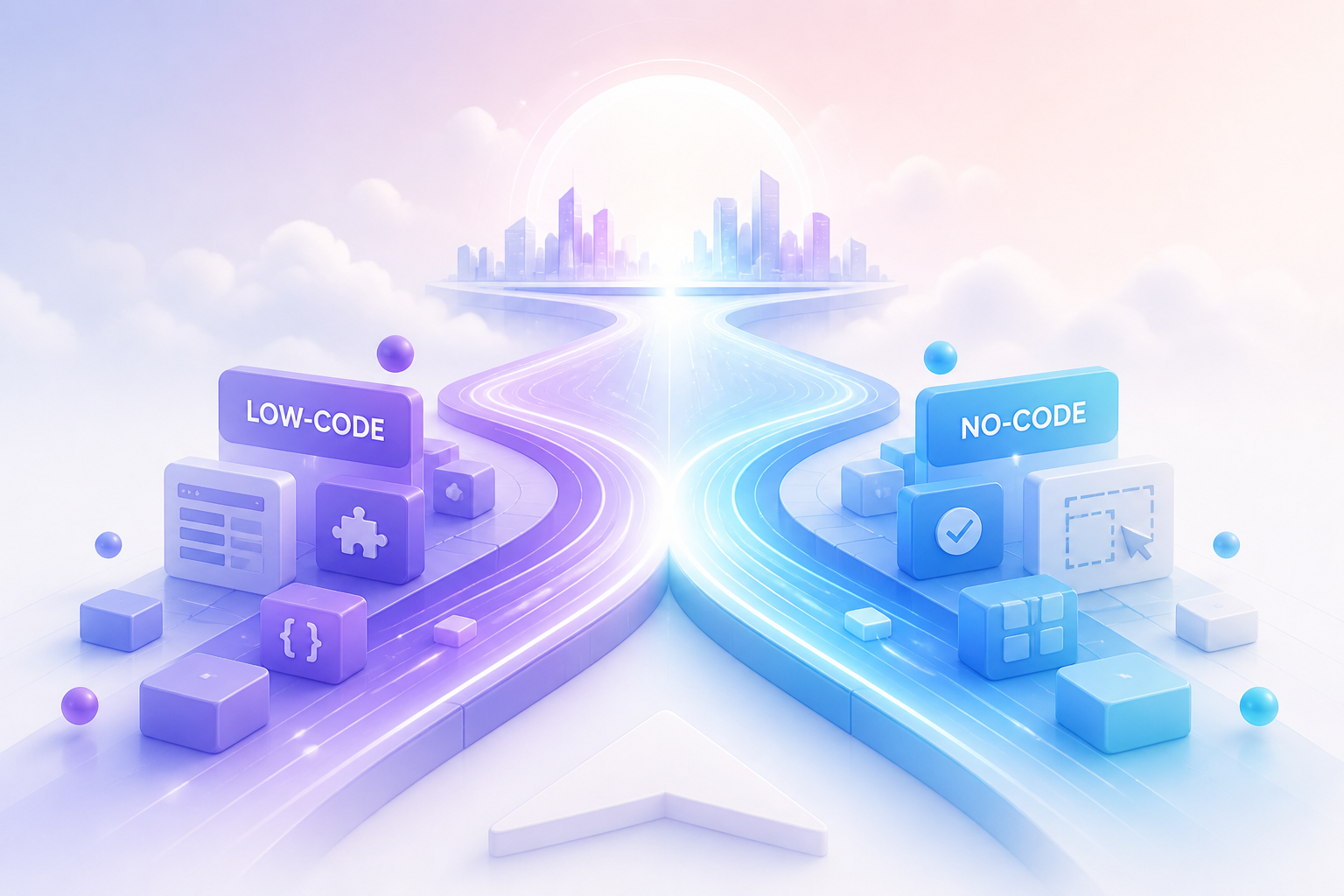
Low-code vs no-code platforms — features, differences, where they fit, and how tools like Xano accelerate efficient web and backend development.
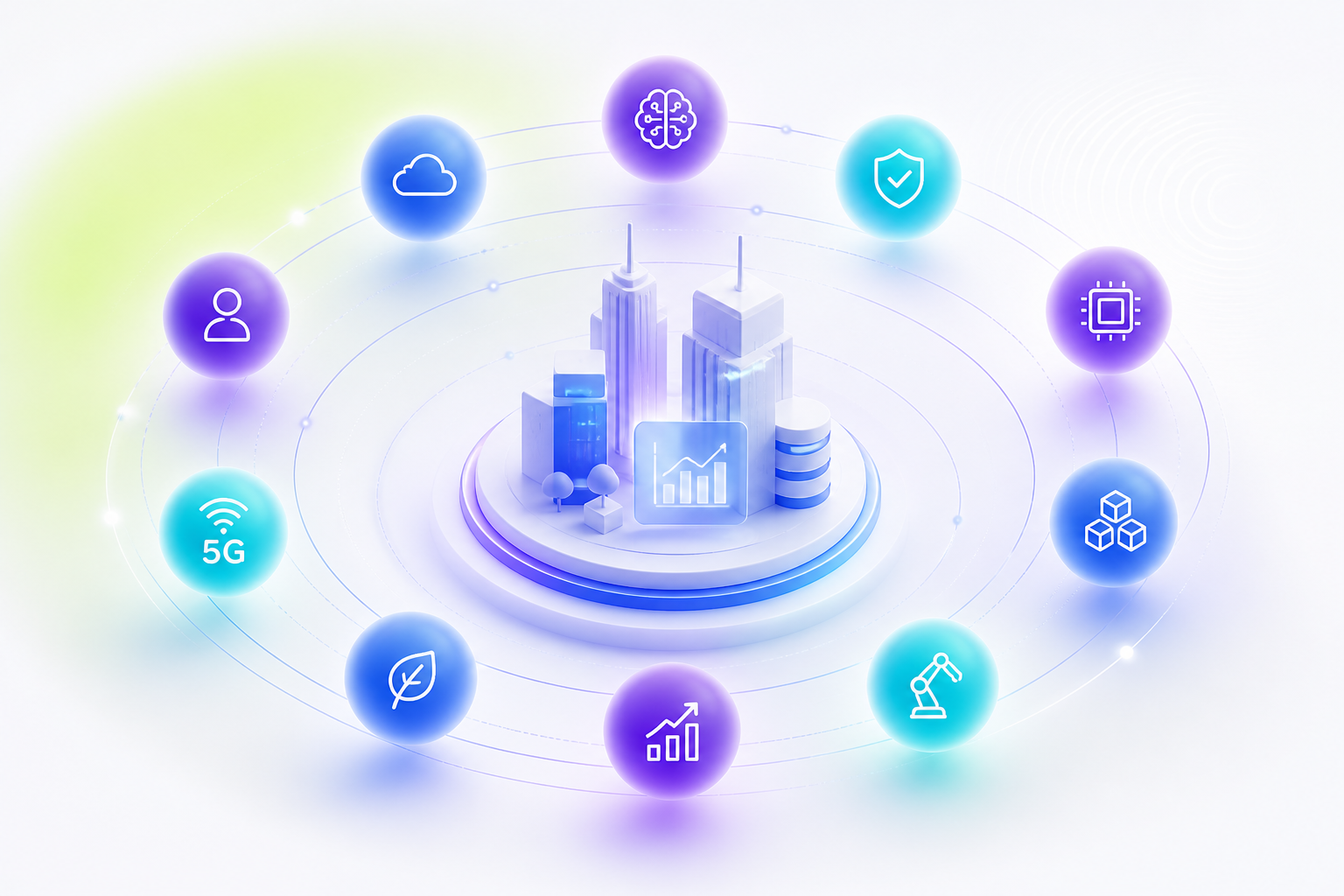
The ten technology trends shaping modern business — AI, no-code, cloud, IoT, 5G, blockchain, XR, cybersecurity, quantum computing — with practical use cases.
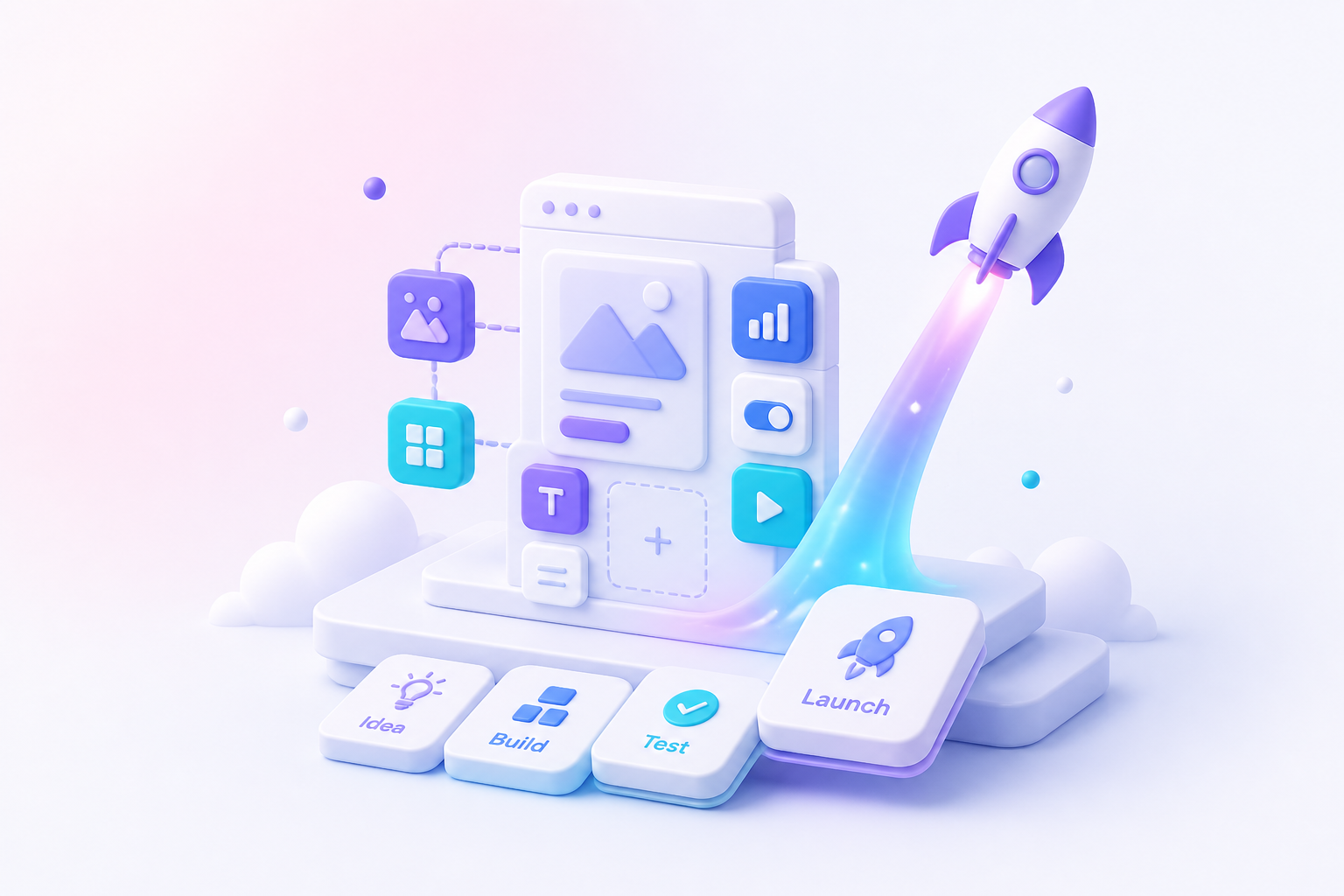
How to build a focused MVP using no-code tools — picking the right platform, scoping features, prototyping, integrations, and scaling beyond no-code.
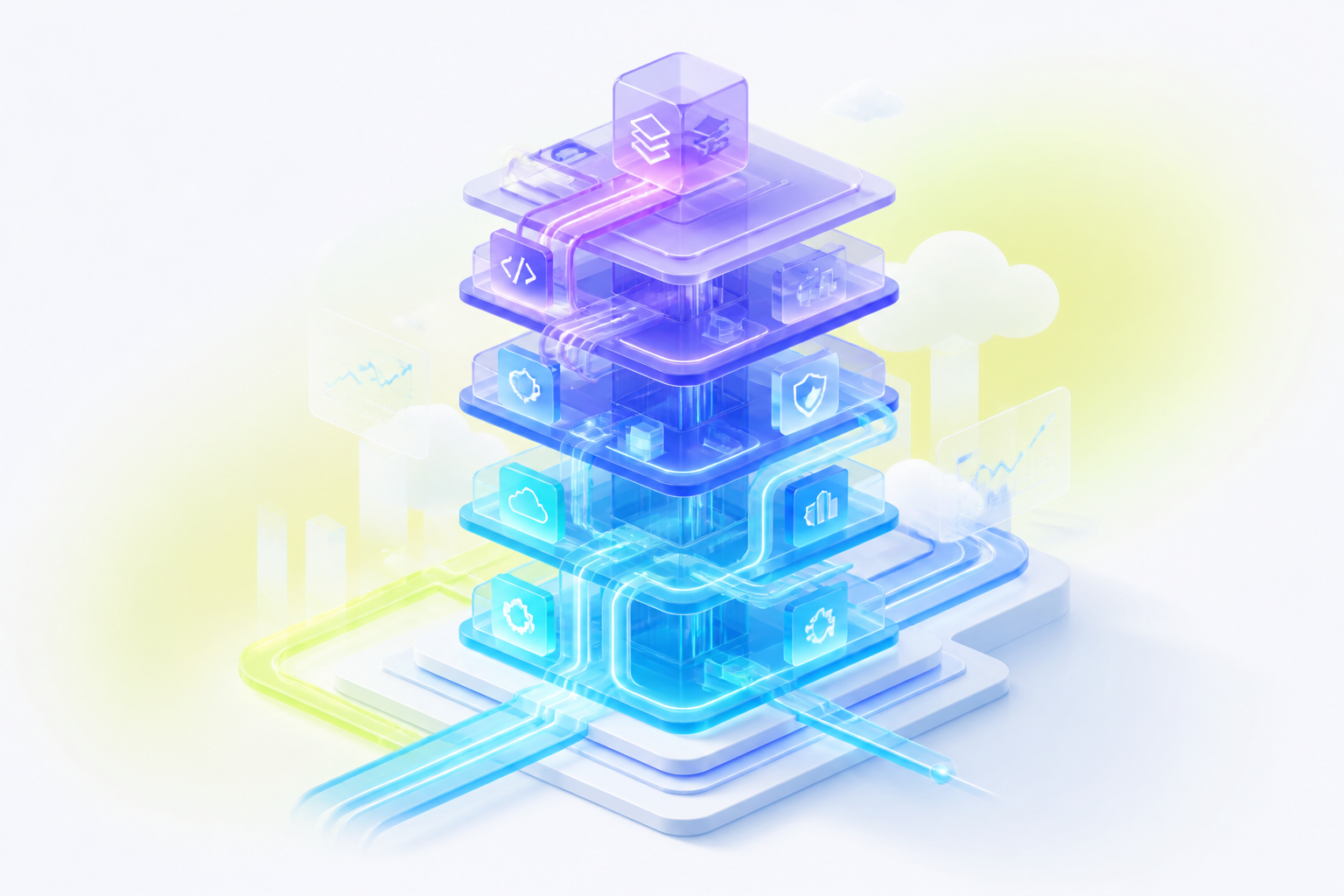
Enterprise app development in 2026 — traditional vs no-code/workflow-automation approaches, real cost and speed differences, and how to build apps that scale.
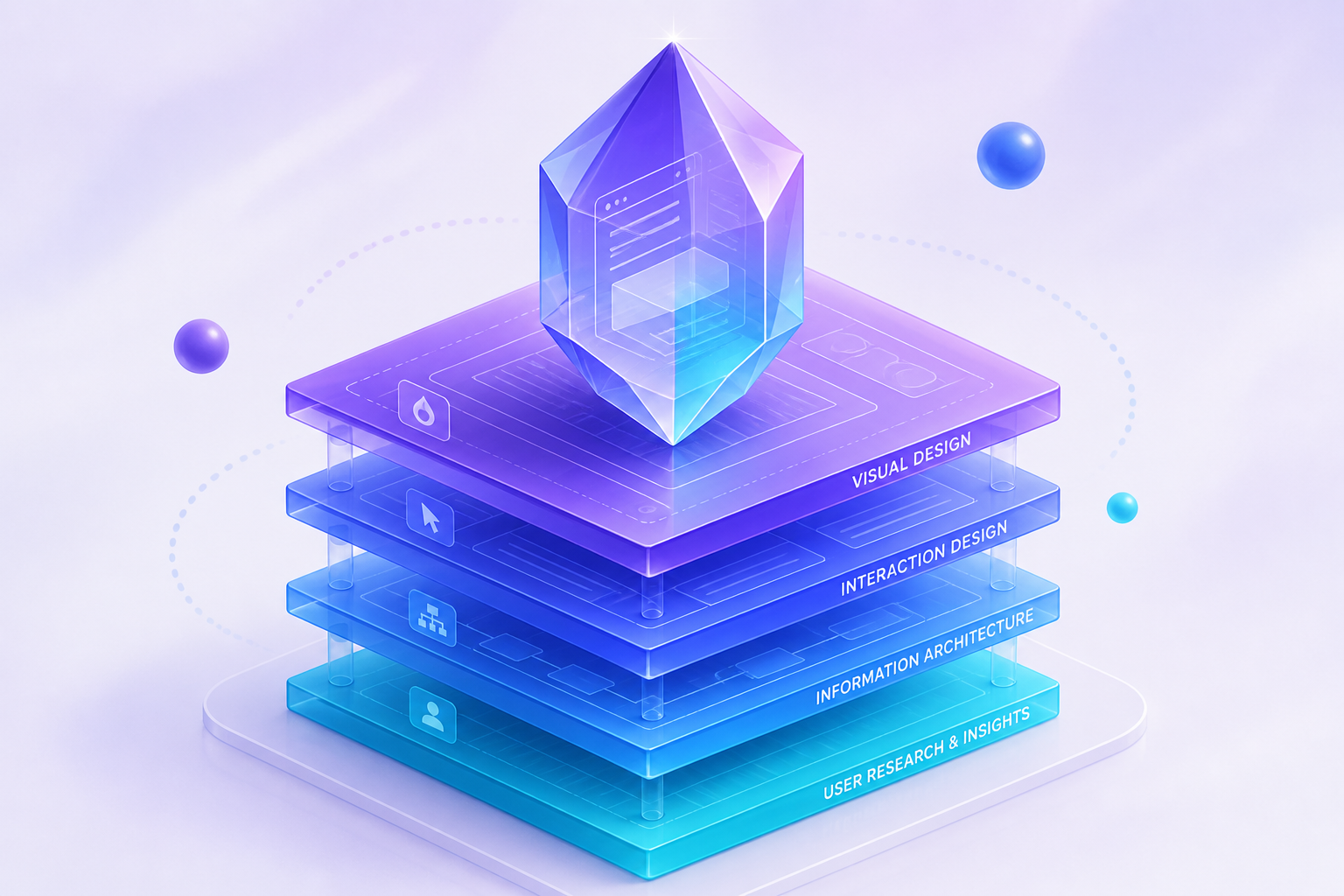
Why UX/UI design matters in software development — its impact on adoption, retention, business outcomes, and the best practices that make great products.

How colour shapes mobile app design — psychology, colour theory, branding, accessibility, current trends, and how to validate choices with users.
Where no-code is heading next — AI-augmented building, deeper integrations, the maturing stack (Xano, Webflow, WeWeb, FlutterFlow), and what it means for businesses.
How agile methodology improves software delivery — five concrete benefits, common pitfalls to avoid, and when agile is the right fit (and when it isn't).
How DevOps streamlines software delivery — CI/CD, infrastructure as code, automated testing, cultural shift, and how teams measure DevOps success.

Practical best practices for secure software development — authentication, code review, SDLC security, encryption, dependency management, and team training.
How to design responsive mobile apps — fluid grids, breakpoints, media queries, touch optimisation, testing across devices, and the strongest design tools.

A practical decision framework for choosing between no-code and custom app development — complexity, maintenance, security, time, and total cost of ownership.
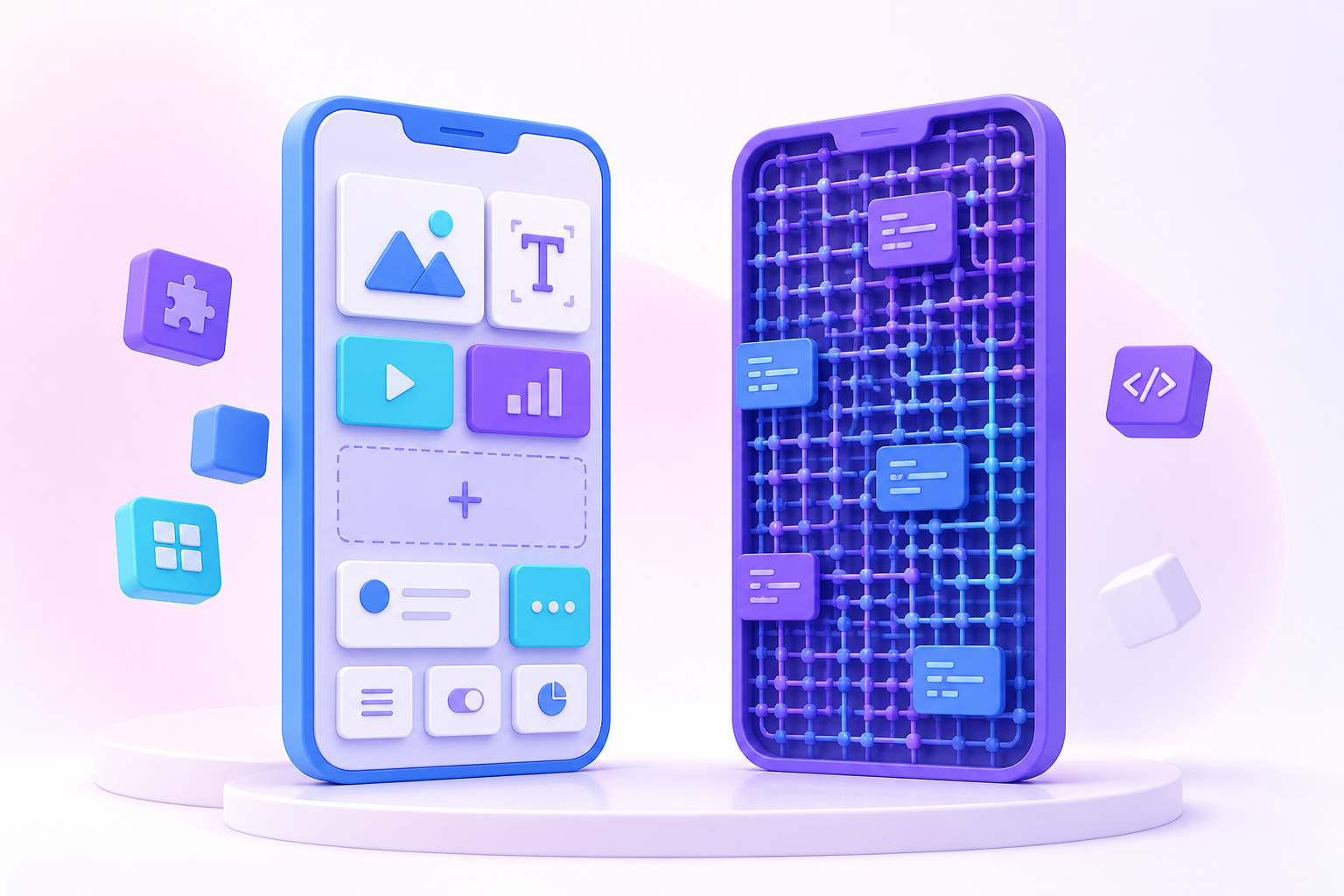
No-code vs custom mobile app development — pros, cons, cost, performance, scalability, and how to choose the right approach for your product and budget.
How no-code platforms drive digital transformation — what no-code is, where it accelerates business, the strongest tools in 2026, and common pitfalls to avoid.
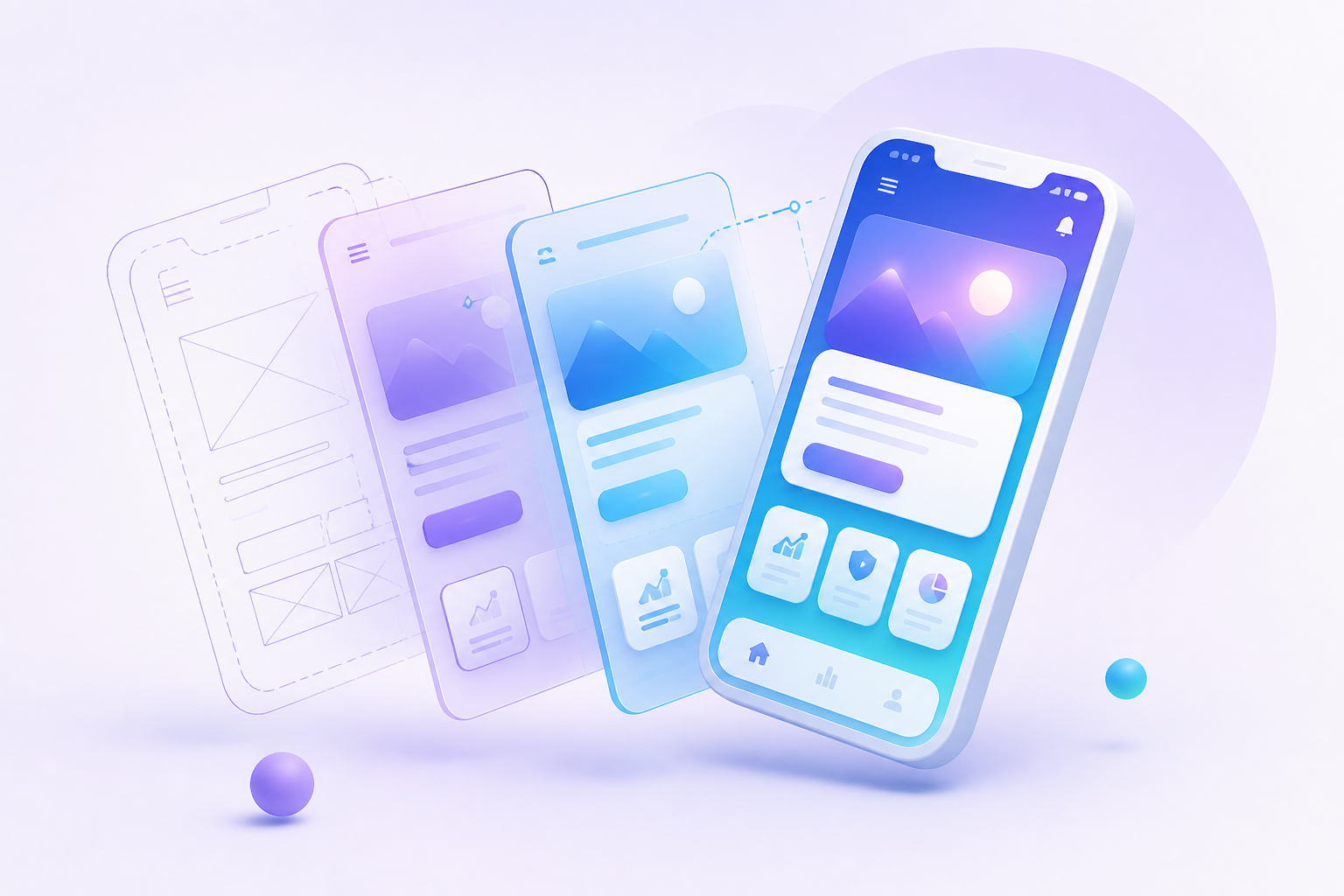
Why UI/UX design determines whether mobile apps succeed — first impressions, retention, conversion, brand equity, and how great design compounds over time.
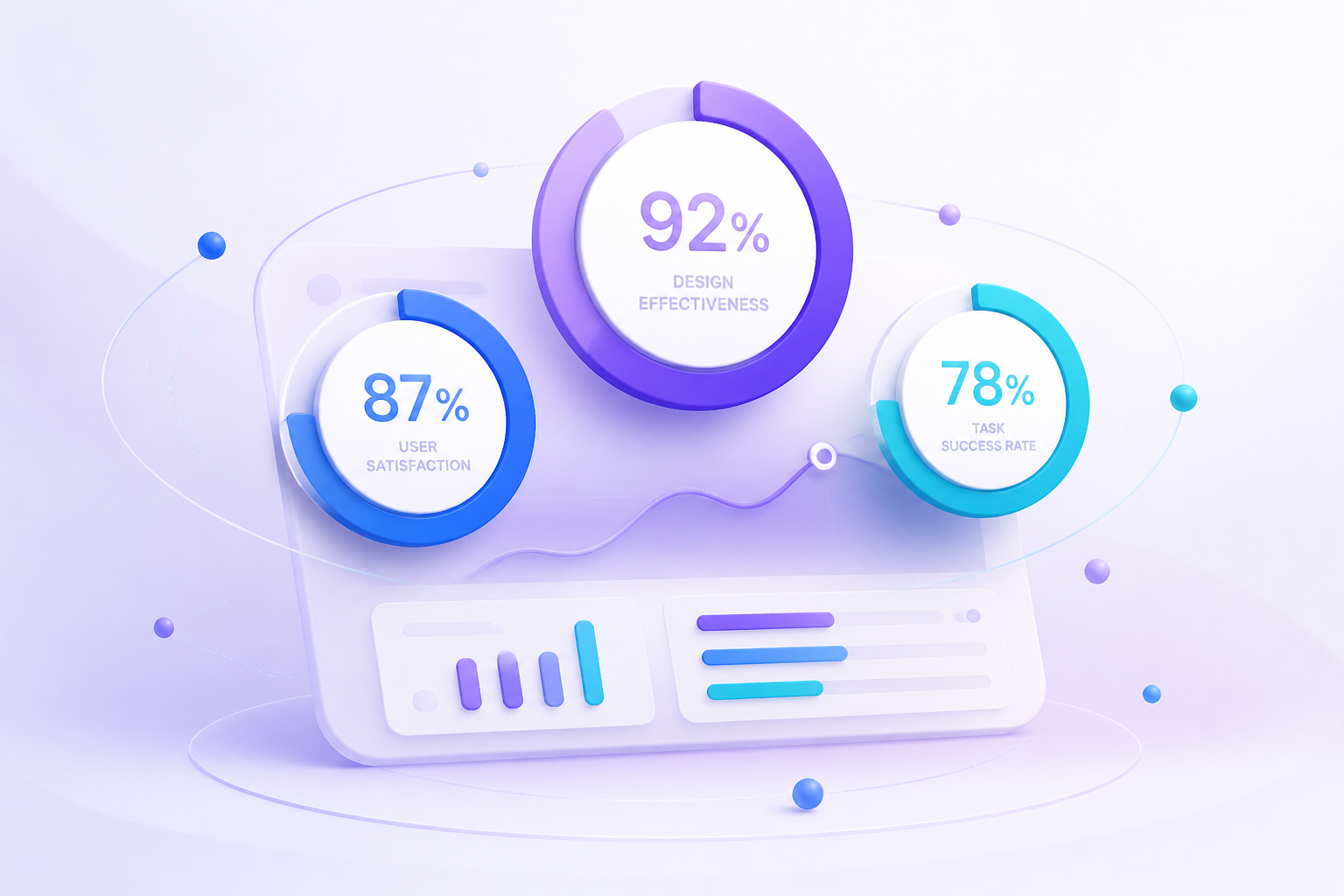
How to measure UI/UX design success — essential UI and UX metrics, KPIs like SUS, NPS, CSAT, conversion and retention, and the tools that surface them.

How AI and ML are reshaping software development — automation, code quality, intelligent testing, predictive analytics, NLP for requirements, and CI/CD.

How no-code is reshaping web development — benefits, real limitations, and an honest view of how much market share no-code will capture in the next 5 years.
How no-code development improves business efficiency — faster delivery, lower cost, easier collaboration, automation — plus the honest trade-offs.
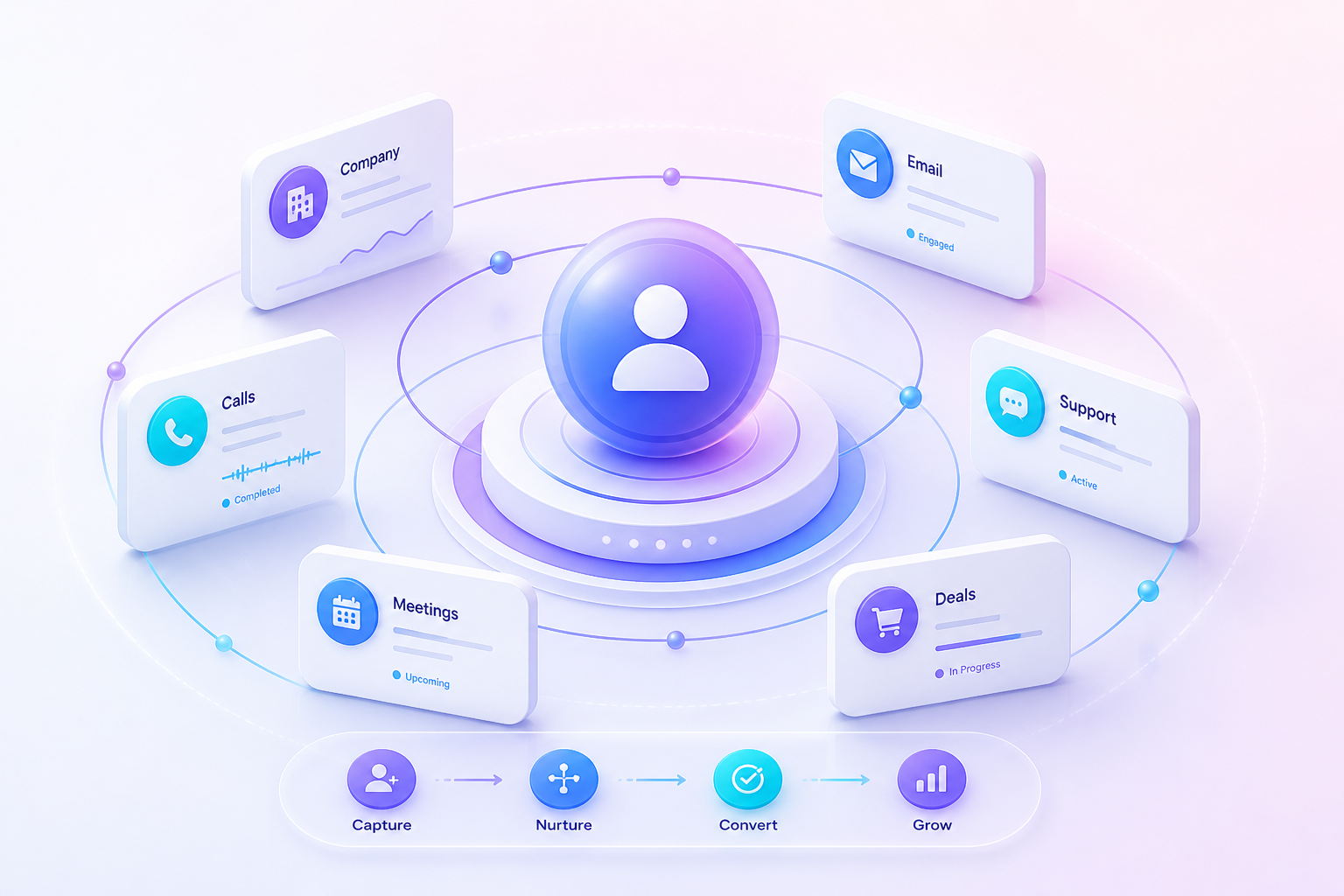
Six-step guide to building a custom CRM with no-code tools — pick the right platform, design the data model, customise workflows, and integrate cleanly.

Quantum Infoway recognised by Clutch as one of India's top mobile and web developers — covering AI, no-code, UI/UX, data science, and full-stack engineering.

Five practical criteria for choosing a software development partner — requirements clarity, expertise, technical skills, communication, and quality assurance.

How to build and run a high-performing remote software development team — hiring, communication, tools, trust, and the common mistakes that derail teams.
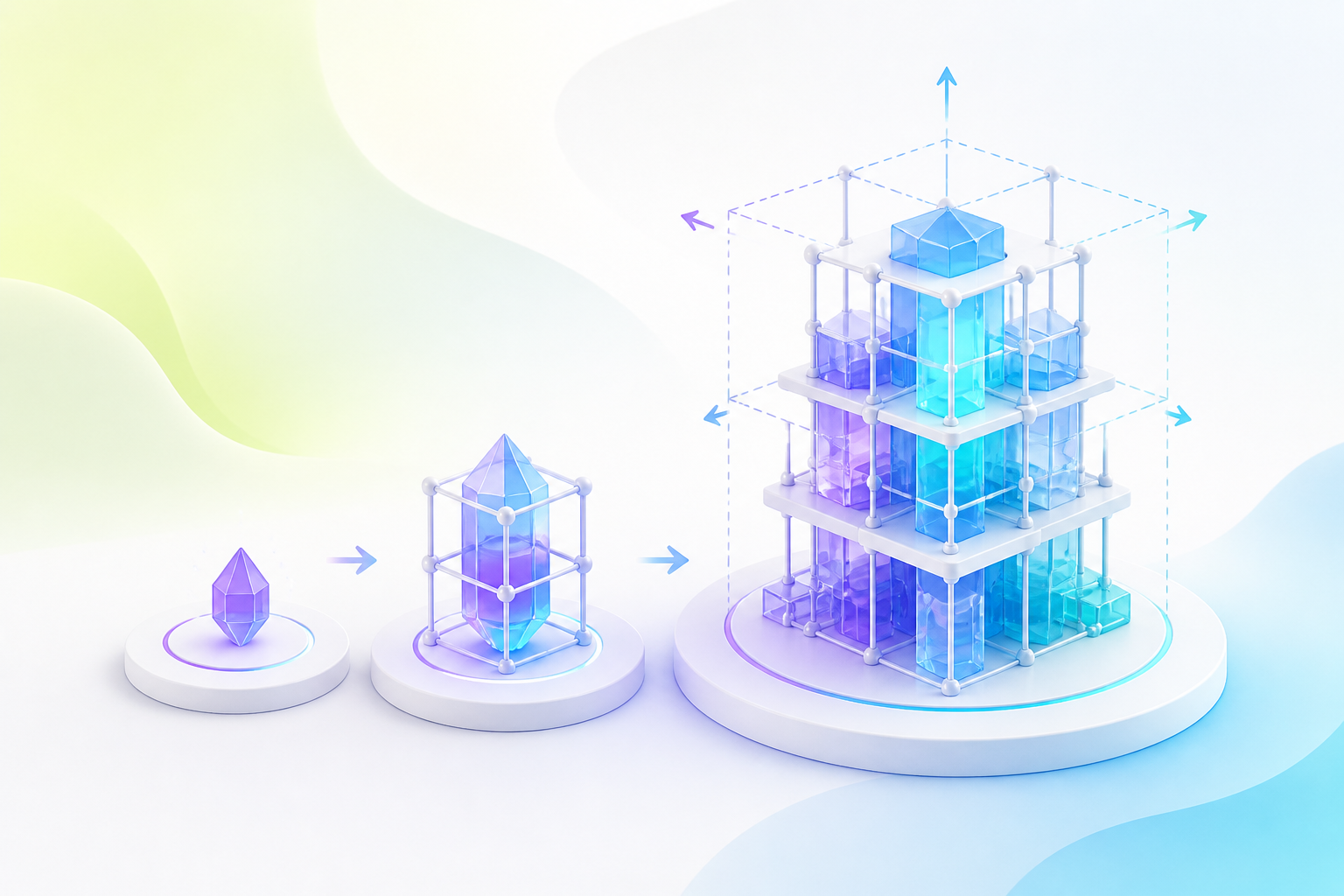
How to build a scalable MVP — what scalability means at MVP stage, the right technical choices, and the common pitfalls that block growth later.
The 2026 landscape rewritten. Lovable, Bolt.new, and v0 join Bubble, Xano, WeWeb, FlutterFlow, and Webflow, with lock in and portable backends now deciding the stack.
Why teams are choosing Xano for production backends — speed, cost, security, scalability, and the practical benefits of no-code backend development.

Seven advantages of no-code over traditional coding — speed, accessibility, cost, productivity, flexibility, user experience, and a low learning curve.
Five ways no-code is reshaping software development — democratisation, faster time-to-market, lower cost, broader collaboration, and faster innovation.

Five reasons no-code is the right path for entrepreneurs — speed, cost-effectiveness, customisation, low maintenance, and democratised collaboration.

Ten emerging software development trends in 2023 — AI/ML, serverless, low-code, blockchain, IoT and edge, DevOps, microservices, security, AR/VR, and PWAs.
No articles in this category.

Building something these insights describe?
Share what you are evaluating. We respond within one business day with a read on fit and a proposed next step.
Talk to an Expert