Q

Quantum Infoway

.NET Development

.NET development for business systems that stay maintainable

ASP.NET Core applications, APIs, and internal platforms in C#. SQL Server or PostgreSQL, Azure when that is your cloud, and a clean path off older .NET Framework code.

ASP.NET Core & C# Azure or your cloud Source you own
150+Happy Clients
12+Years Delivery
10+Countries Served
24hResponse Window
How We Work

.NET that fits the systems you already run

Most .NET work sits next to SQL Server, Active Directory, and line-of-business tools. We design the application around that, ship it in increments, and leave the code in a repository you own.

What We Deliver

.NET systems Quantum Infoway ships

01

ASP.NET Core applications

Web apps and internal tools with role-based access, audit history, and admin screens your operations team can actually use.

02

APIs for web and mobile

Versioned REST APIs, and gRPC where services talk to each other. OpenAPI docs, auth, and rate limits included from the start.

03

Microsoft and business integrations

SQL Server, Microsoft 365, Active Directory or Entra ID, ERPs, and payment or CRM APIs connected on one data model.

04

Azure deployment

App Service, Azure Functions, Azure SQL, and container hosting, with CI/CD and the same option to run on AWS when that is the standard.

05

Blazor and SignalR

Interactive C# interfaces and live updates for dashboards, approvals, and operations screens that should not wait on a page refresh.

06

.NET Framework modernization

Audits, tests, and a staged move from .NET Framework or Web Forms to ASP.NET Core, one area at a time, without a freeze on the business.

Need engineers on your team instead?

Dedicated .NET developers work in your tools and hours. Project delivery stays on this page.
Hire .NET Developers
Technology We Work With

The .NET stack we build on

Application

C#ASP.NET CoreBlazorSignalR

Data

Entity Framework CoreSQL ServerPostgreSQLRedis

Cloud

AzureAzure SQLDockerAWS
What a build includes

A .NET engagement, end to end

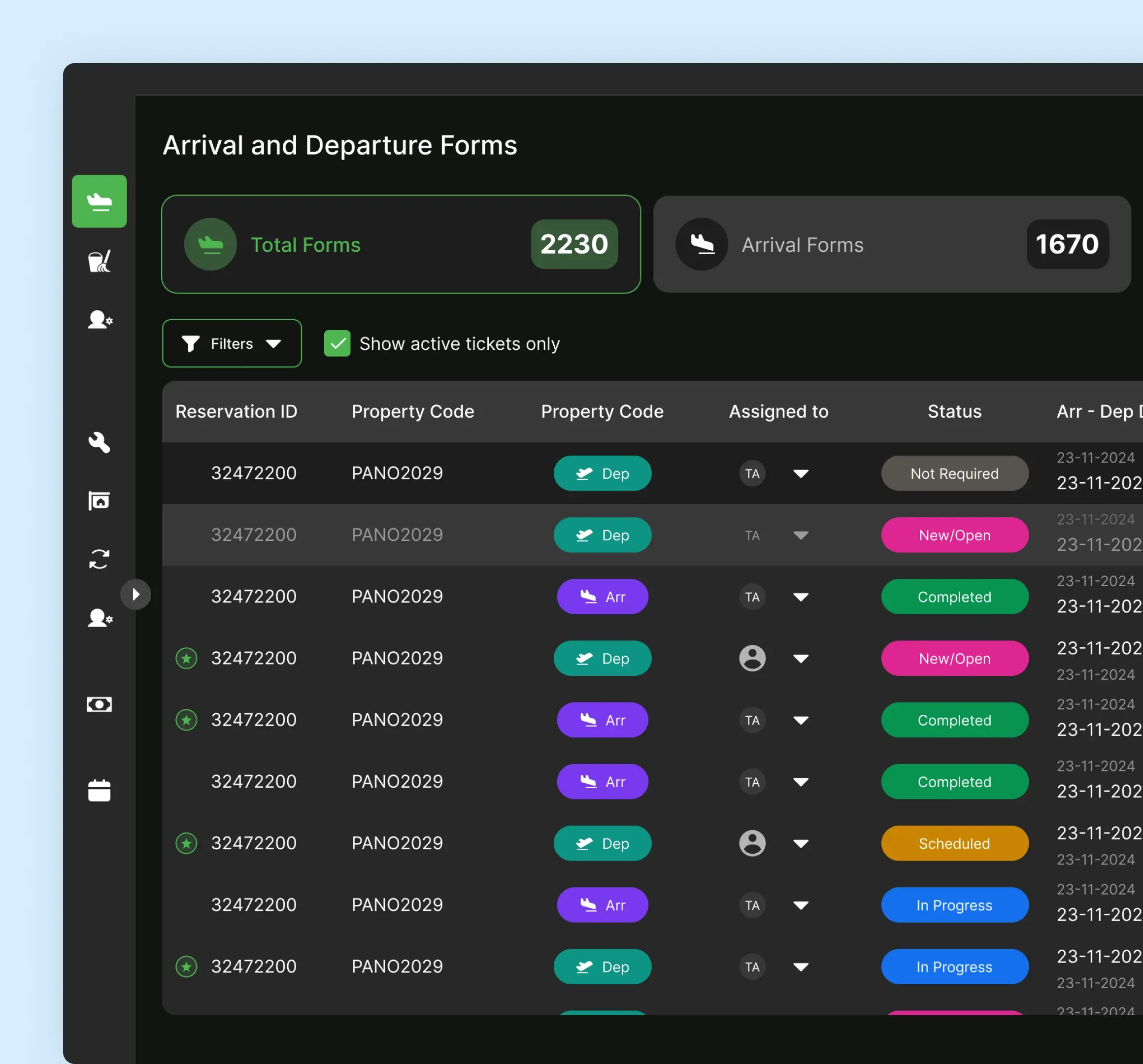
Operations application interface

Internal platforms and customer portals

  • Roles, approvals, and an audit trail on the actions that matter
  • Admin screens for the people who run the process day to day
  • Staging you can click through before anything reaches production
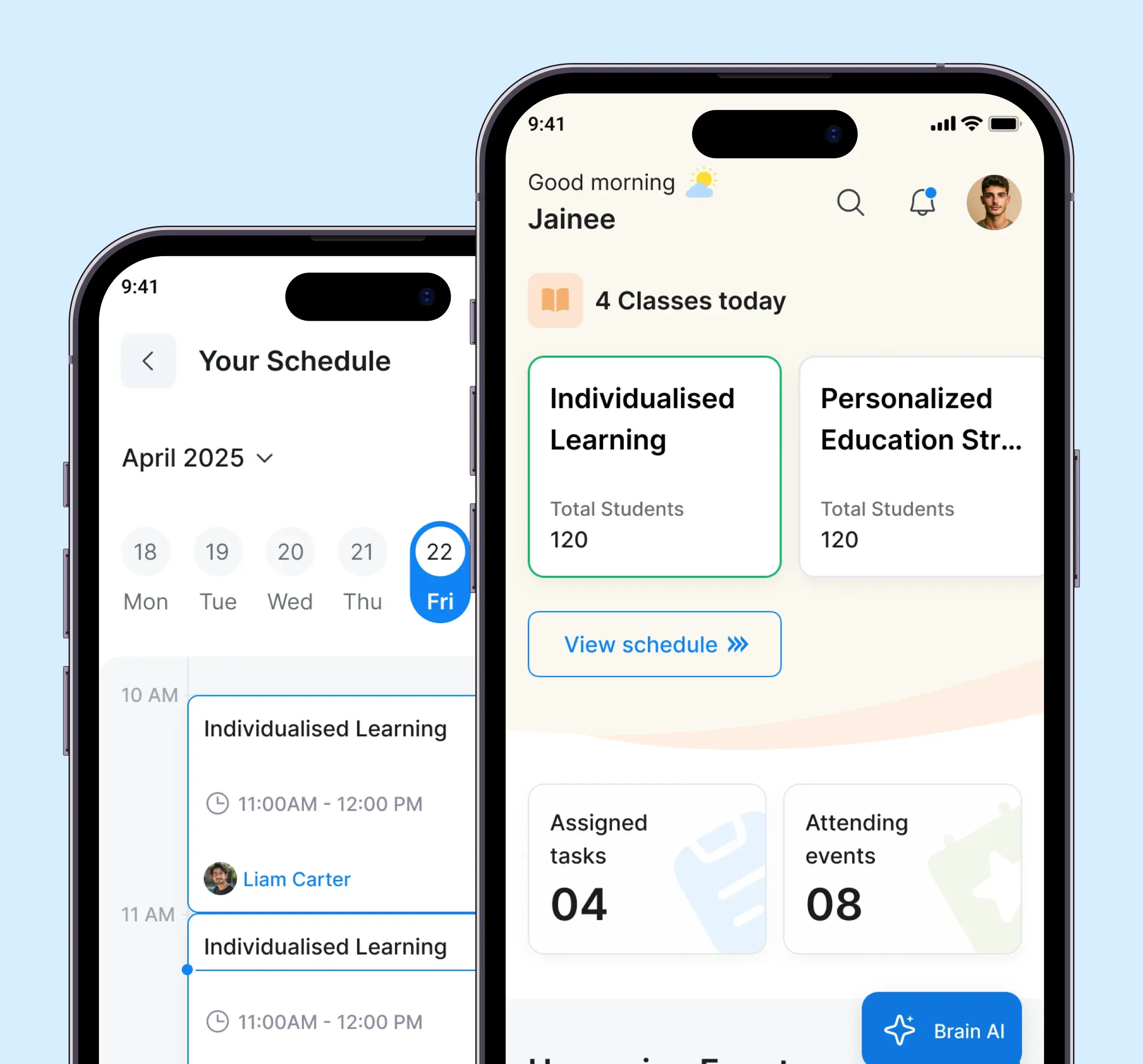
Connected business workflow interface

Integrations beside the systems you keep

  • SQL Server and existing Microsoft identity, reused rather than replaced
  • ERP, CRM, and payment connections with reconciliation you can inspect
  • One data model instead of spreadsheets between tools
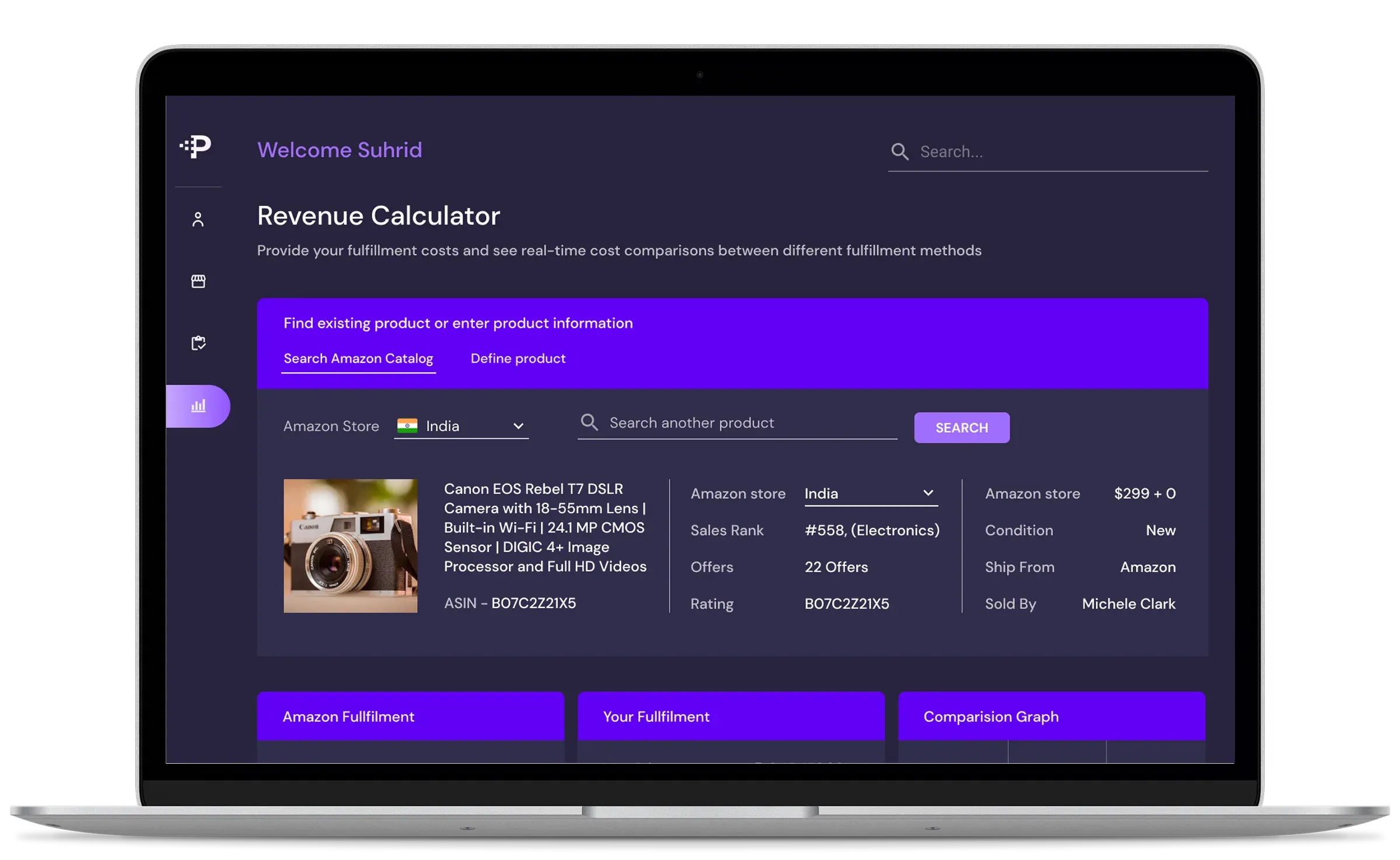
Enterprise application interface

Takeover and modernization

  • A written audit of the current .NET codebase before a roadmap
  • Tests around the behaviour you cannot afford to break
  • A move to ASP.NET Core in slices, with the old system still running
Guide

How we think about .NET work

What is .NET development?

.NET development is building applications in C# on the .NET platform. For most companies that means ASP.NET Core web apps and APIs, Entity Framework against SQL Server or PostgreSQL, and deployment on Azure or another cloud you already use. A .NET development company designs, builds, tests, and hands over that system. Hiring a .NET developer into your own team is a separate model. We do both.

When .NET is the right backend

.NET fits teams that already run Microsoft identity, SQL Server, or a large C# codebase, and products that need strong typing, transactions, and a long maintenance life. Node.js is a better fit for event-heavy APIs. Python is a better fit when the product is mostly machine learning. Java Spring Boot is the closer alternative when the enterprise standard is the JVM. We build those stacks too, and we will say so if .NET is the wrong choice.

How much .NET development costs

A focused API or internal tool is typically $15,000 to $50,000. A multi-role platform with integrations is $50,000 to $150,000 over several months. Larger enterprise systems run $150,000 and up. The blended rate is $25 to $50 per hour. Integrations, permissions, and data migration move the number more than the count of screens.

Tell us what the .NET system needs to do

We will come back with a scoped next step, including whether a project team or a dedicated developer is the better fit.

Talk to an Expert

FAQ

.NET development FAQs

Do you build new .NET applications and take over existing ones?
Yes. New work is ASP.NET Core in C#. Takeover work starts with an audit of the current solution, including .NET Framework, Web Forms, and WCF where those are still in production, then a staged plan. We do not recommend a full rewrite as the first step.
Which .NET versions do you use?
Current supported .NET and ASP.NET Core for new work. Entity Framework Core for data access, with Dapper when a query needs to stay close to SQL. Older Framework applications are maintained or migrated, depending on what the audit shows.
Can you deploy .NET on Azure?
Yes. App Service, Azure Functions, Azure SQL, containers, and Entra ID are common. We also deploy ASP.NET Core to AWS or a server you already operate. The application code does not have to be locked to one cloud.
Do you build Blazor applications?
Yes, when a C# UI is the right interface, especially for internal tools used by teams that already live in .NET. Public marketing sites and highly interactive consumer apps are often a better fit for React, which we also build and can put in front of the same ASP.NET Core API.
How long does a .NET project take?
A focused API or internal tool is often 4 to 10 weeks. A platform with several integrations is measured in months. You get a staging environment early, not a single handover at the end.
Can we hire a .NET developer instead of a project team?
Yes. Dedicated .NET developers join your team, your repository, and your standups. See the hire .NET developers page for rates, vetting, and engagement models. This page is for project delivery.