Q

Quantum Infoway

Hire Supabase Developers

Hire Supabase Developers for Modern Backend Development

Our Supabase developers build scalable backends with PostgreSQL databases, real-time subscriptions, authentication, and edge functions. The open-source Firebase alternative with the full power of SQL.

Supabase specialists AI-accelerated delivery Start within a week
150+Happy Clients
12+Years Delivery
13+Countries Served
24hResponse Window
AI-Native Delivery

Supabase Development, accelerated with AI

AI-Optimized Database Design

AI analyzes your data requirements and suggests schema designs, index strategies, and row-level security policies that perform well under production load.

Automated Security Auditing

AI reviews your Supabase RLS policies, API permissions, and authentication configuration, catching access control gaps before they become vulnerabilities.

Query Performance Analysis

AI profiles your PostgreSQL queries through Supabase, identifying slow queries, missing indexes, and N+1 patterns in your application's data access layer.

Faster Backend Development

AI-accelerated development of edge functions, database migrations, and real-time subscriptions means your backend ships faster with fewer bugs.

Every engineer at Quantum Infoway uses AI as a core part of their engineering workflow. This is not about replacing developers with AI — it is about making experienced developers significantly more productive.

What Our Supabase Developers Build

Supabase systems Quantum Infoway talent ships

01

PostgreSQL Backend Development

Schema design, migrations, stored procedures, and query optimization on Supabase-managed PostgreSQL. Full SQL power with managed infrastructure.

02

Real-Time Applications

Live data subscriptions for dashboards, chat, collaborative editing, and notification systems using Supabase Realtime.

03

Authentication & Authorization

User authentication with email, social login, magic links, and multi-factor auth. Row-level security policies for fine-grained data access control.

04

Edge Functions

Serverless Deno functions for API endpoints, webhooks, and background processing. Deployed globally on Supabase's edge network.

05

File Storage

Managed file storage with access policies, image transformations, and CDN delivery for user uploads, media libraries, and document management.

06

Supabase + Frontend Integration

End-to-end applications with React, Next.js, or Lovable frontends connected to Supabase backends. Type-safe clients and real-time data binding.

Vetting Pipeline

How engineers earn a spot on our team

Every engineer goes through the same four-stage funnel. Most do not make it past stage two.

30,000+ Applications received each year

Around 15 open roles at any time, each receiving roughly 200 applications per month through LinkedIn, AngelList, employee referrals, and outbound headhunting across India. India produces 1.5 million CS graduates a year, so sourcing is not the moat. Filtering is. Most applications are auto-filtered for stack relevance, years of experience, English, and time-zone overlap before any human reviews them.

5%

Pass live coding + system design

Two-stage technical interview: a 90-minute live coding exercise tailored to the candidate’s primary stack, then a system-design discussion grounded in real production scenarios.

2%

Pass project deep-dive + background verification

We ask candidates to walk through a recent production project: architecture decisions, what they would change in hindsight. We also run a background verification check through a third-party BGV agency to confirm prior employment, education, and identity.

1.2%

Complete 2-week shadow onboarding

A senior Quantum Infoway engineer shadows new hires for two weeks on an internal project. We watch how they respond to feedback, ask for help, and ship code. Fast learners stay.

<1%

Join the active team

A dedicated team of engineers makes up the active Quantum Infoway bench across stacks at any given time. New roles open as engagements complete or grow.

How It Works

From first conversation to a developer shipping code on your project

The process is designed to be fast, transparent, and low-risk — whether you need a Supabase developer, a managed team, or a fixed-scope build.

01

Share your goals

Tell us about the product, stack, timezone overlap, and whether you need a dedicated hire, managed team, or fixed-scope build.

02

Meet shortlisted engineers

We match vetted candidates to your requirements and share profiles, sample work, and availability within a few business days.

03

Interview & select

You interview directly. If the fit is not right, we continue until you are confident — no pressure to lock in early.
04

Start within a week

Onboarding into your tools and channels is typically complete within 14 business days. Engagements run monthly with flexible scale.

Engagement Models

How you can hire Supabase talent

01

Dedicated Developer

A Supabase developer works exclusively on your project, integrated with your team’s tools and workflows.

Best for: Ongoing Supabase ownership and iteration

02

Managed Team

We assemble and manage a Supabase team with a tech lead, handling delivery end-to-end against your requirements.

Best for: Building a Supabase product end-to-end with a lead

03

Project-Based

Fixed scope, timeline, and budget. We deliver the project and hand off the codebase with documentation.

Best for: New builds, rebuilds, and integration work
  • Start within a week
  • Flexible scale-up / scale-down
  • No long-term lock-in
  • Dedicated technical lead

Tell us which model fits — we will recommend the leanest path.

Quantum Infoway scopes every engagement before any quote becomes final.

Talk to an Expert
Pricing

Transparent Supabase developer rates, published

Hourly dedicated

$25 to $50 per hour

Dedicated Supabase developers, by seniority

Fixed-scope builds

From $15,000

Focused builds with clear deliverables and documentation

US specialists typically bill $150 to $300 per hour for comparable Supabase scope. Every engagement is scoped individually before any number becomes a quote.

Get a scoped quote
Our Work

Supabase products we have shipped

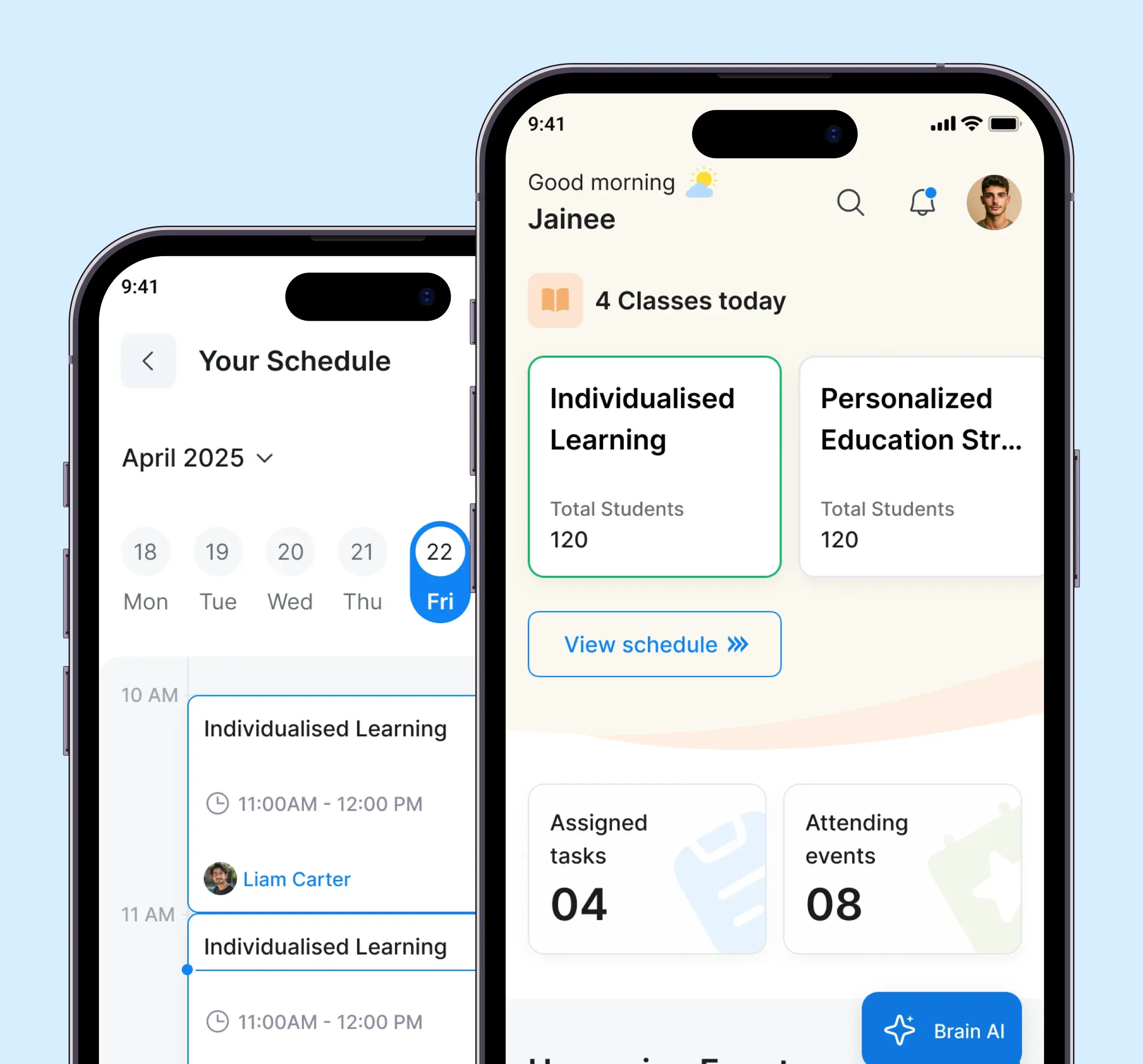
Education USA
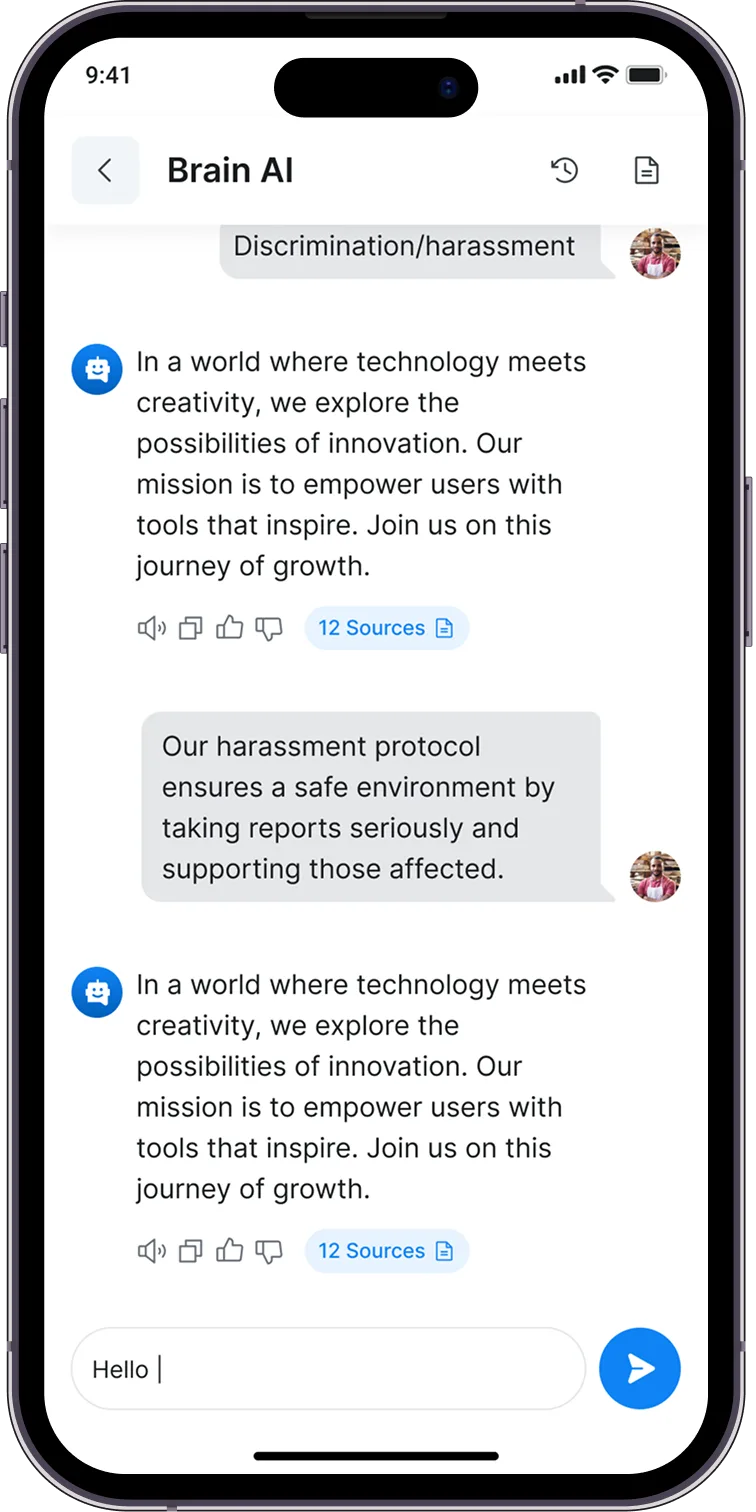
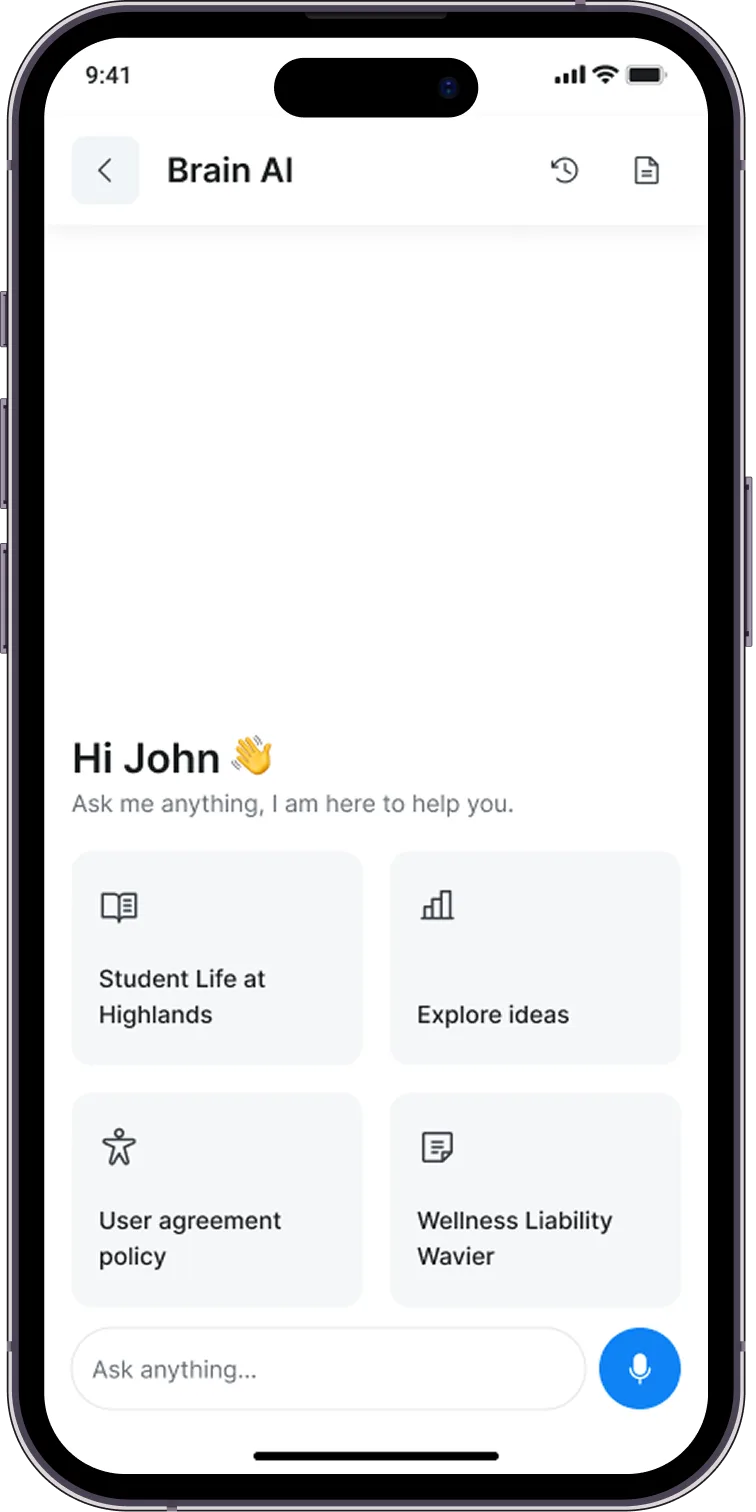
Highlands Community Charter AI learning platform Highlands Community Charter AI learning platform Highlands Community Charter AI learning platform

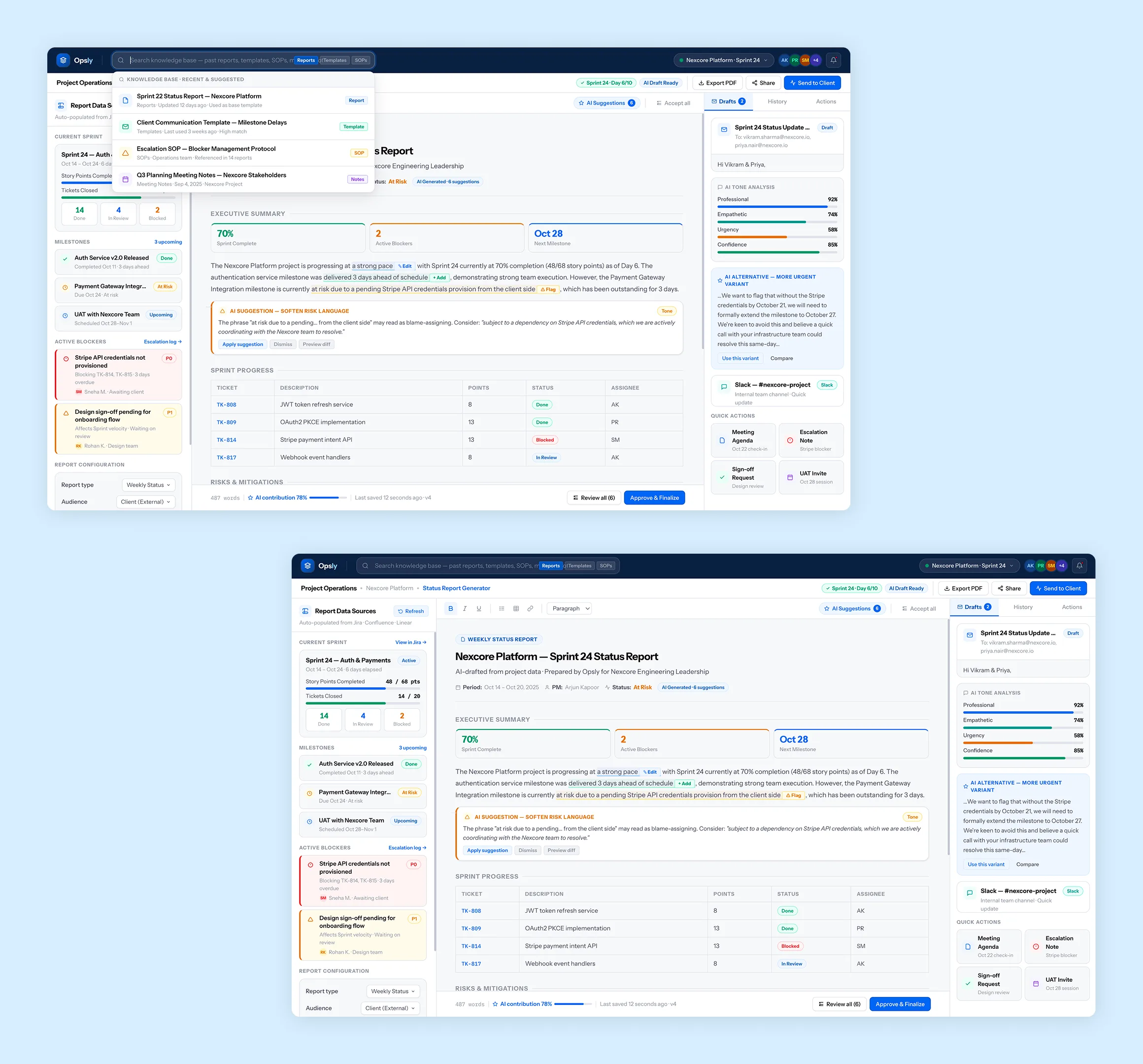
Integrated three AI features that reduced compliance effort by 97% for 15,000+ learners

  • Brain AI knowledge base answering student and staff queries instantly
  • English Master adaptive language module with pronunciation feedback
  • Two-way live translation for multilingual student populations
  • Compliance document generation for audit-ready reports
97%Compliance effort reduction
25%Faster English acquisition
15,000+Learners supported
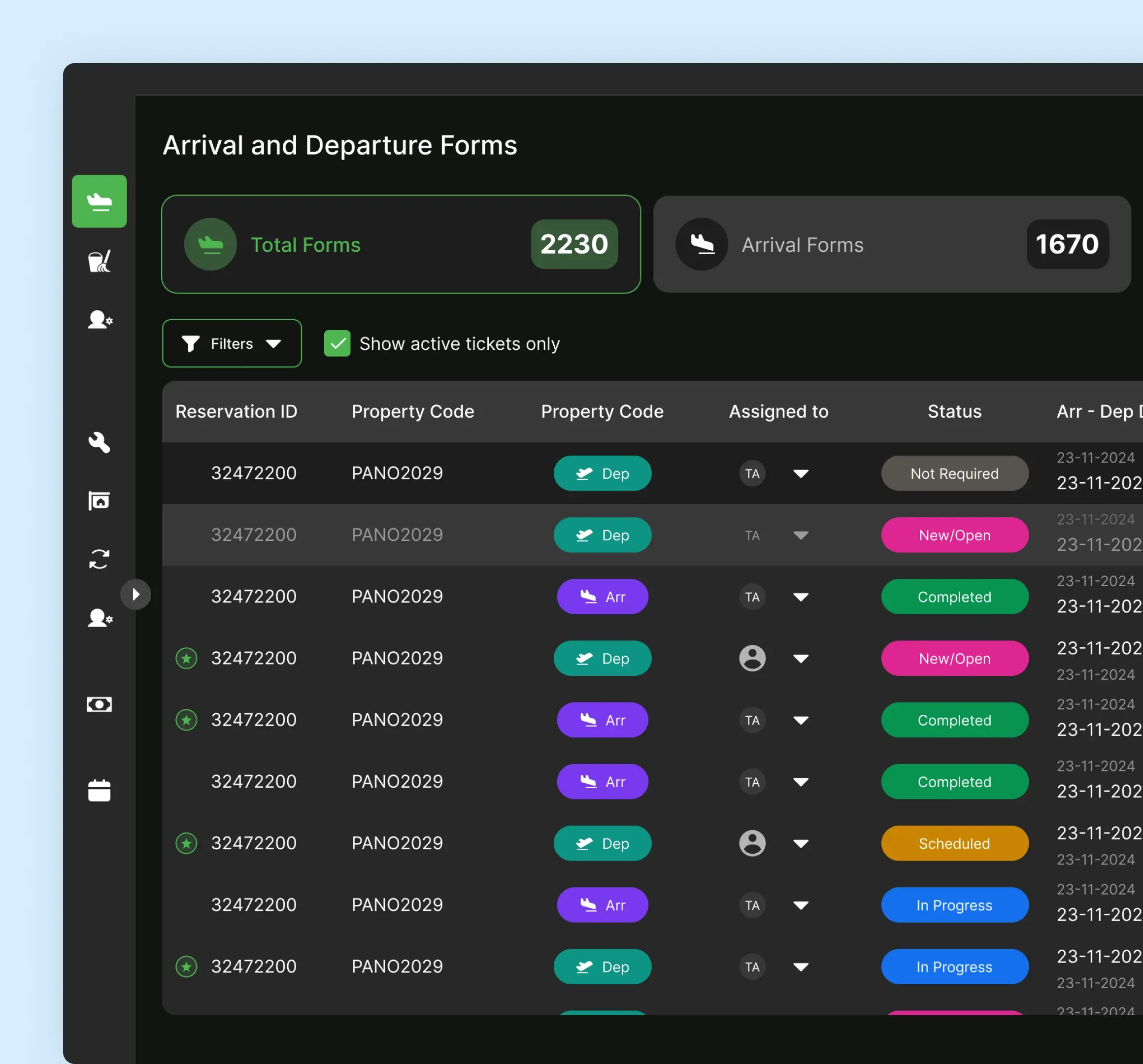
Operations SaaS Australia
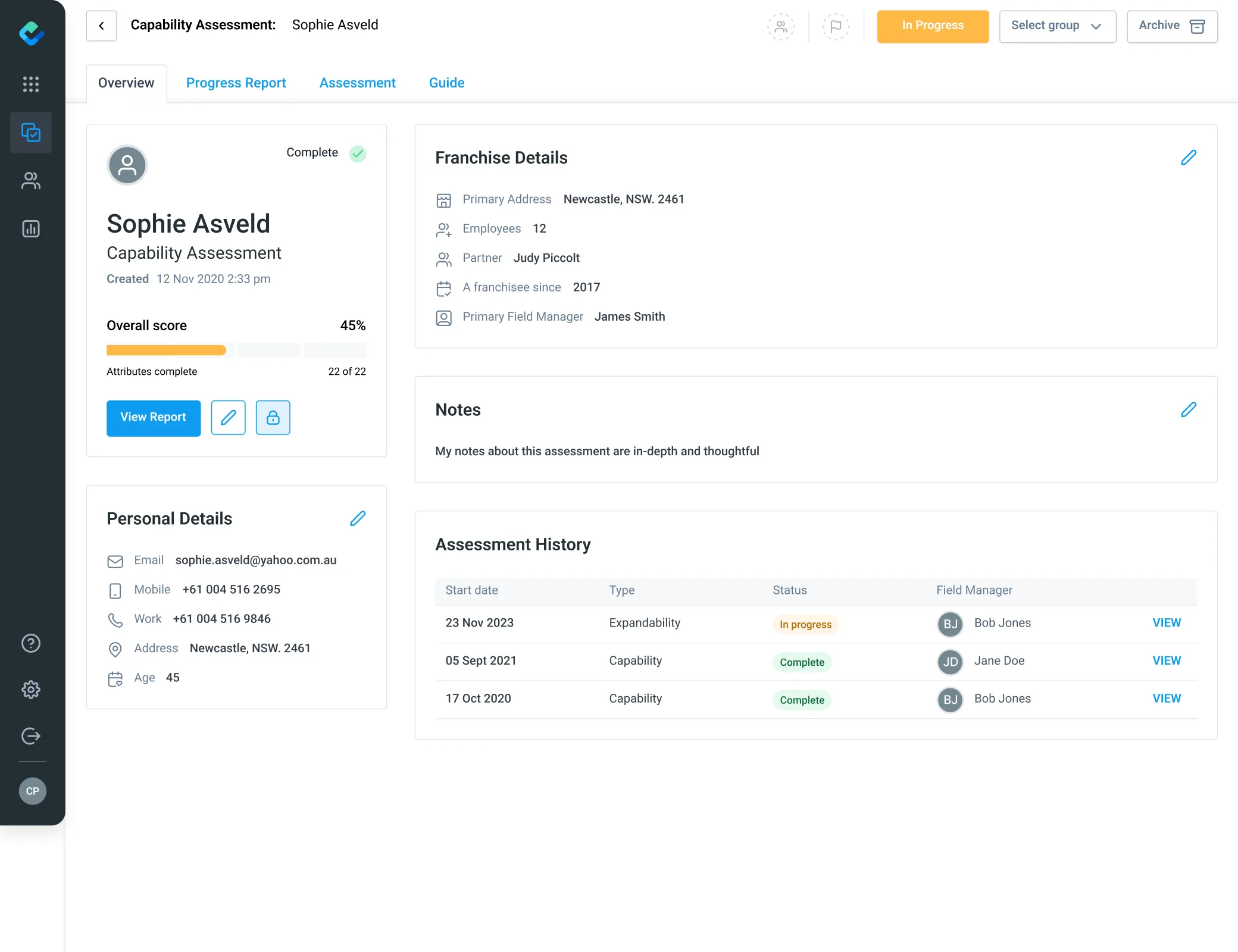
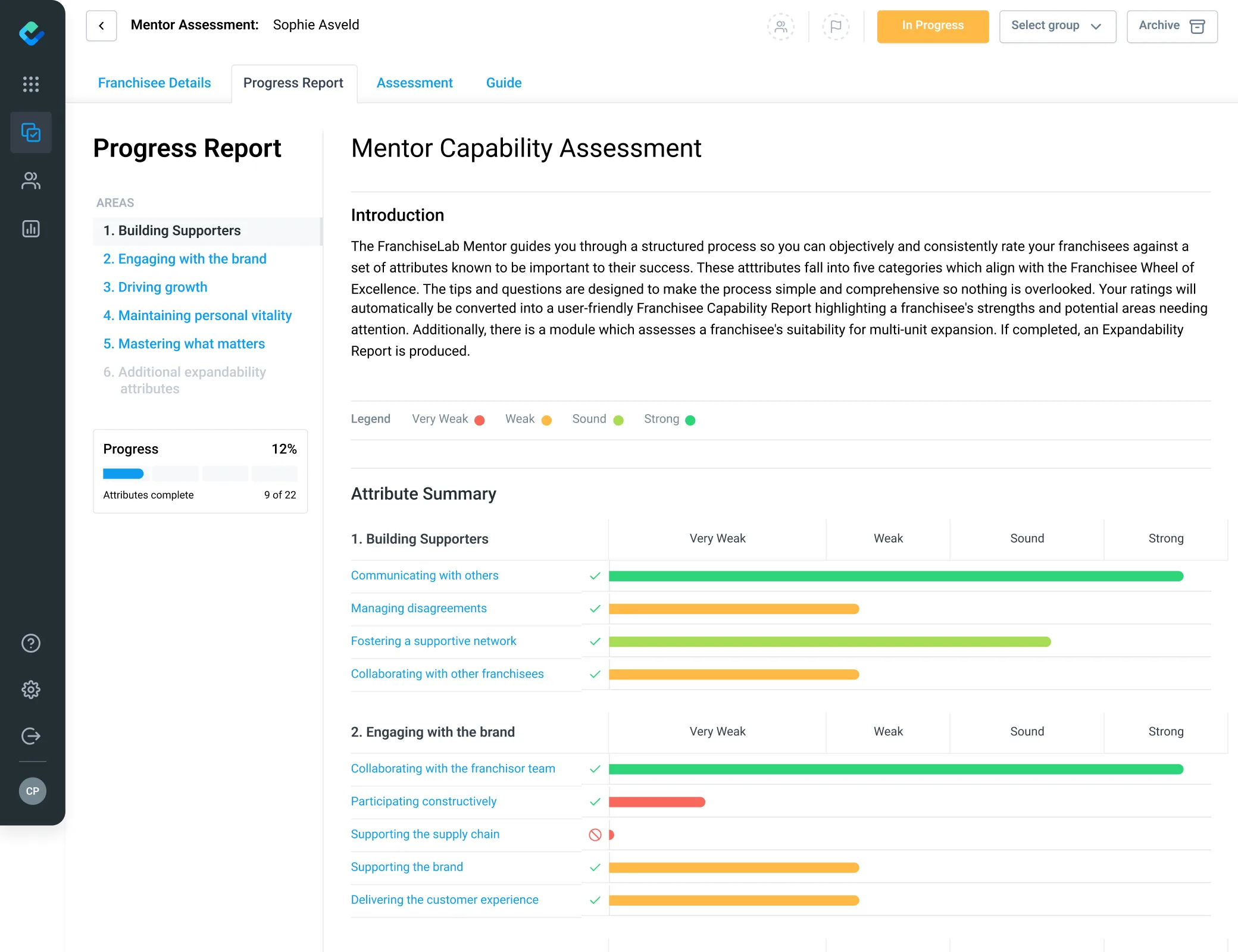
FranchiseLab recruitment platform FranchiseLab recruitment platform FranchiseLab recruitment platform

Data-driven franchise recruitment and network development

  • Platform for franchisee recruitment and onboarding
  • Performance assessments and structured interview guides
  • Real-time tracking for data-driven oversight
40%Recruitment success lift
35%Lower operational costs
30%Higher franchisee retention
Fintech Poland
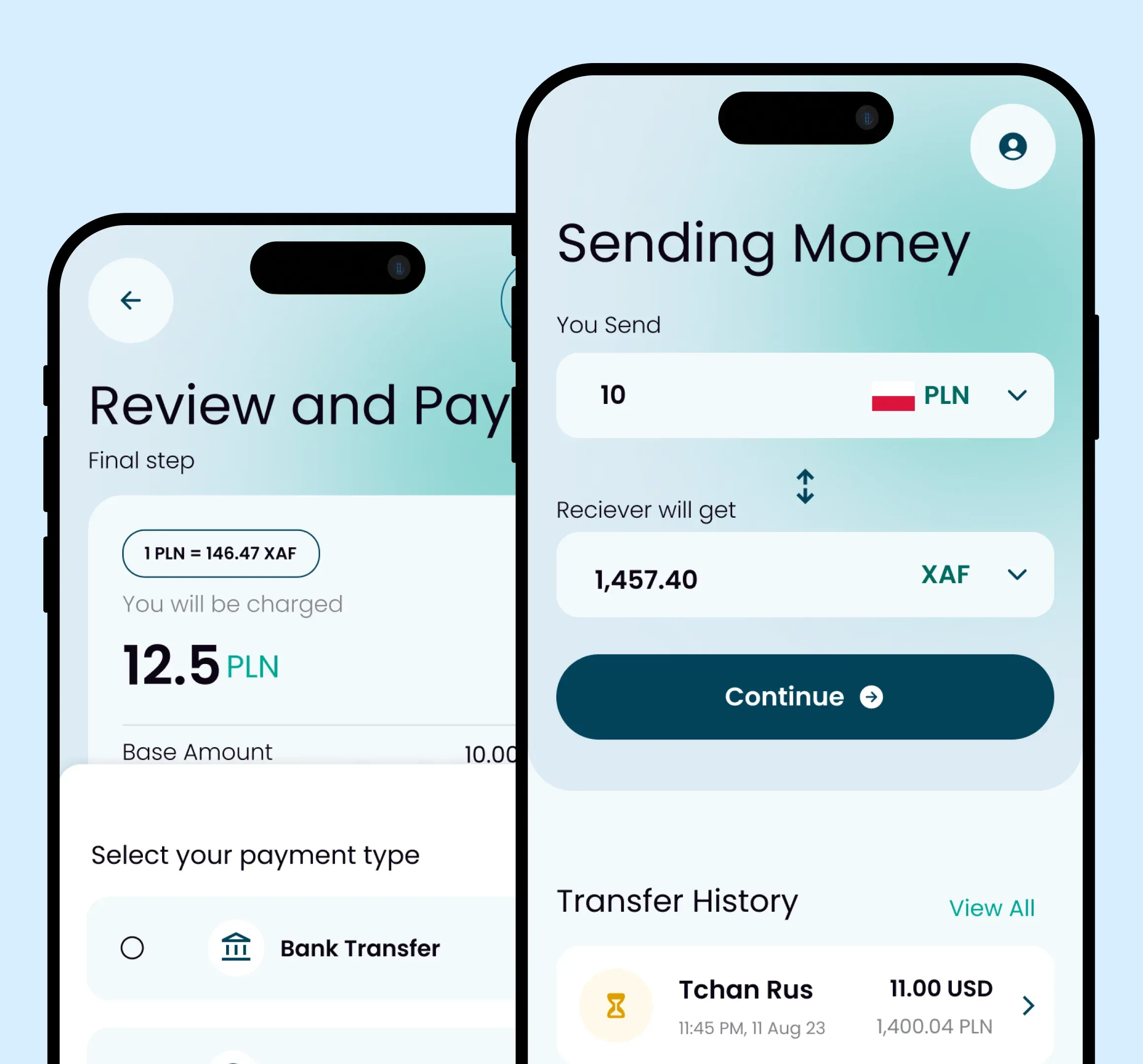
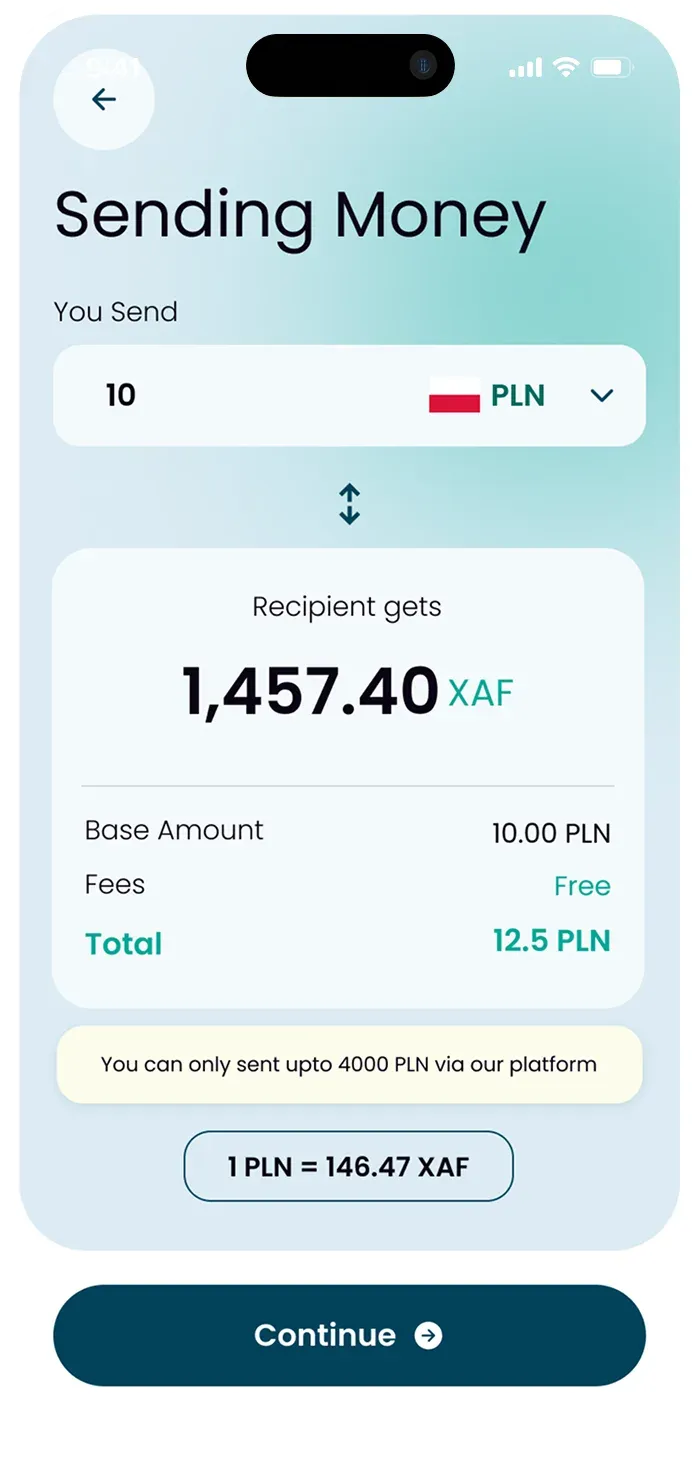
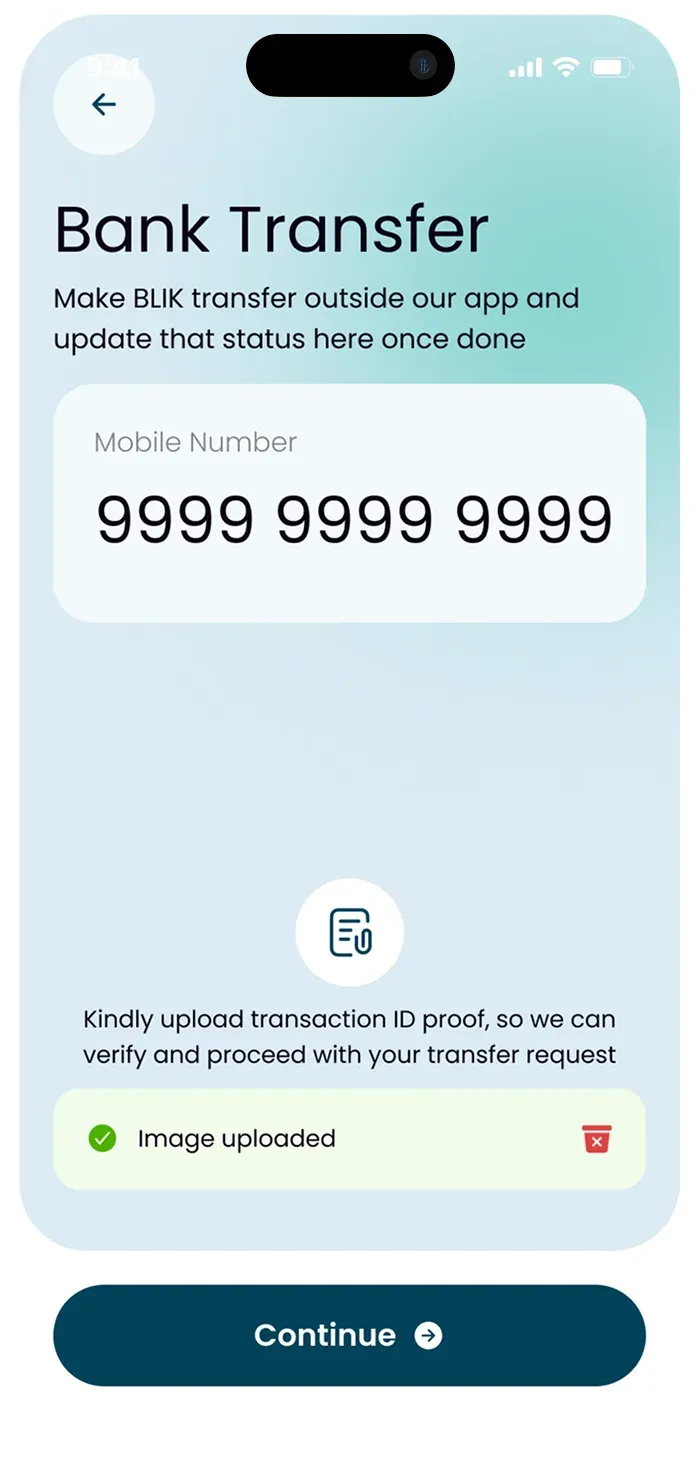
Instant-ex cross-border remittance app Instant-ex cross-border remittance app Instant-ex cross-border remittance app

Shipped a cross-border money transfer app delivering 85% of transfers in under 10 minutes

  • FlutterFlow with a Xano backend for disciplined time-to-market
  • Multi-corridor remittance from Europe to African markets
  • Mobile money and direct bank-deposit payouts
  • Real-time transfer tracking with delivery confirmation
85%Transfers under 10 min
5Remittance corridors
4.2★Store rating

Your Backend, Powered by PostgreSQL

Quantum Infoway matches you with vetted Supabase developers who care about production quality and clear communication.

Talk to an Expert

FAQ

Hiring Supabase developers — FAQs

How much does it cost to hire a Supabase Developer?
Our Supabase developer rates run $25 to $50 per hour depending on seniority, and focused fixed scope builds typically start around $15,000. US specialists bill $150 to $300 per hour for comparable work. Most clients choose a monthly dedicated model with a 30 day notice period and no long term lock in.
How does the engagement work once I hire?
Your developer works as an extension of your tech team, with direct communication in your channels and hours that overlap yours. Vetted candidates complete onboarding within 14 business days. If a developer underperforms, we replace them, and engagements run monthly with a 30 day cancellation notice.
How quickly can you provide a Supabase Developer?
We can match you with a vetted Supabase Developer within a week. Our team includes pre-screened engineers with production experience in Supabase, so we skip the lengthy recruitment cycle and get straight to onboarding.
What engagement models do you offer for Supabase development?
Three options: dedicated developers who work exclusively on your project, a managed team where we handle delivery end-to-end, or a project-based engagement with fixed scope and timeline. All models include a technical lead and regular progress updates.
How do you vet your Supabase developers?
Every Supabase engineer is tested on real backend work: a Postgres schema and row-level-security exercise, an auth and realtime task, an edge-function and API build, and a performance review (indexes, query plans). We also check how they reason about data integrity and work with a distributed team.
Can I interview the developer before starting?
Yes. We share detailed profiles including relevant project experience, then arrange a technical interview so you can assess fit before committing. If the match is not right, we provide alternatives at no cost.
What happens if the developer is not the right fit?
We offer a replacement guarantee. If the developer does not meet expectations within the first two weeks, we reassign and provide a replacement with no additional charges or delays to your project timeline.
How does Supabase compare to Firebase?
Supabase is built on PostgreSQL (relational, SQL-based) while Firebase uses Firestore (NoSQL, document-based). Choose Supabase when you need relational data, complex queries, joins, and transactions. Choose Firebase when you need simpler document storage with Google ecosystem integration. Supabase is also open-source, so you can self-host if needed.
Can Supabase handle production workloads at scale?
Yes. Supabase runs on managed PostgreSQL, which is battle-tested at scale. The platform offers dedicated compute, connection pooling (via pgBouncer), read replicas, and point-in-time recovery. We design Supabase backends with proper indexing, connection management, and caching to handle thousands of concurrent users.
Prefer a team?

Beyond dedicated developers, our teams deliver complete products