
Intelligent Document Processing
Reading invoices, contracts, forms, and records, and turning unstructured files into structured data grounded in the source.
Quantum Infoway
We automate the work that used to need human judgment, from document processing to support triage to internal knowledge, with agentic workflows, retrieval, and human oversight built in.
We automate the work that used to need human judgment, from document processing to support triage to internal knowledge, with agentic workflows, retrieval, and human oversight built in.
Reading invoices, contracts, forms, and records, and turning unstructured files into structured data grounded in the source.

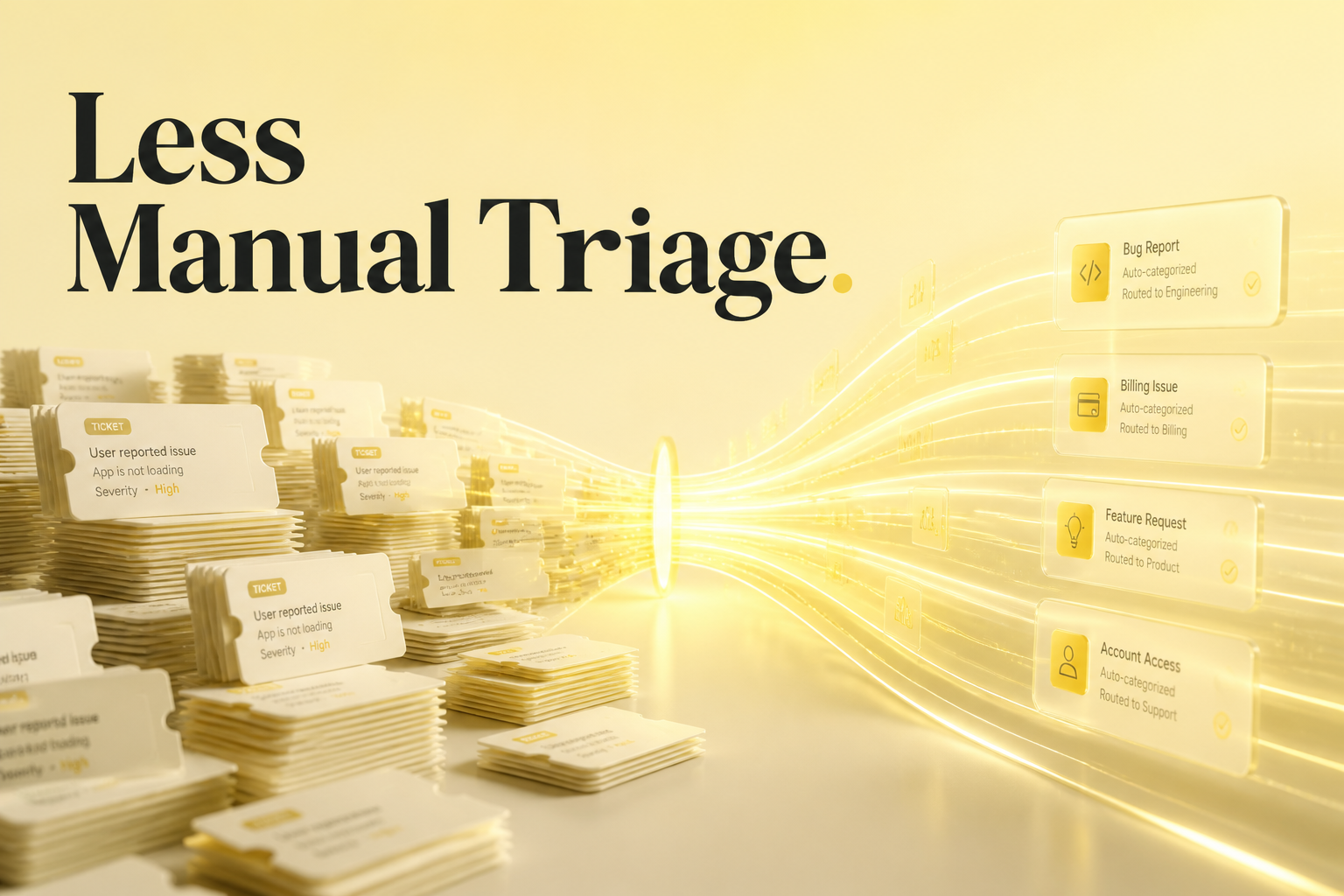
Classifying, routing, and drafting responses across email, chat, and messaging, with humans handling the edge cases.

Retrieval grounded assistants that answer staff questions from your own policies, product docs, and data.

Lead qualification, enrichment, and content operations that clear repetitive work off your team.

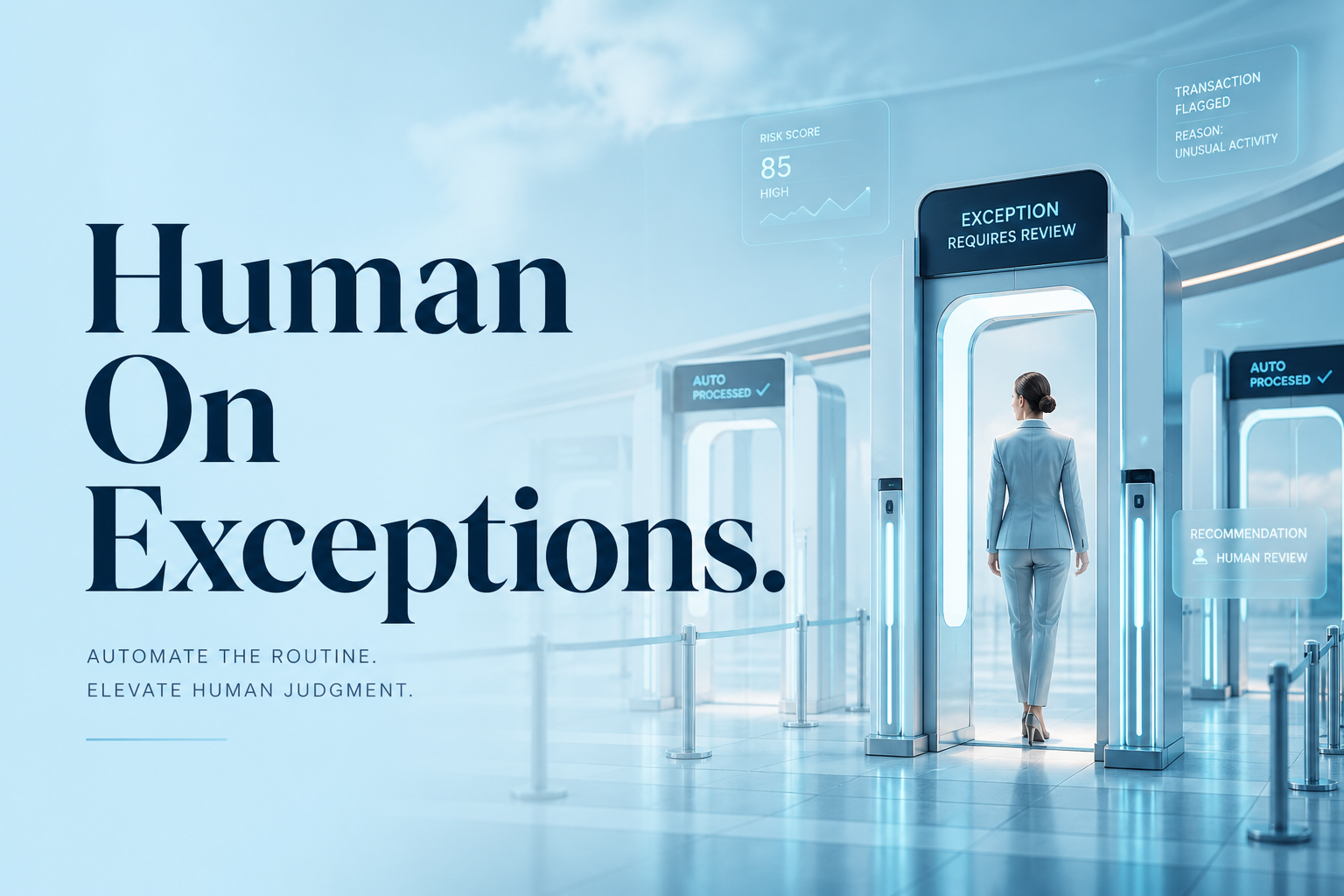
Reconciliation, data entry, and reporting automated with validation and human review on exceptions.

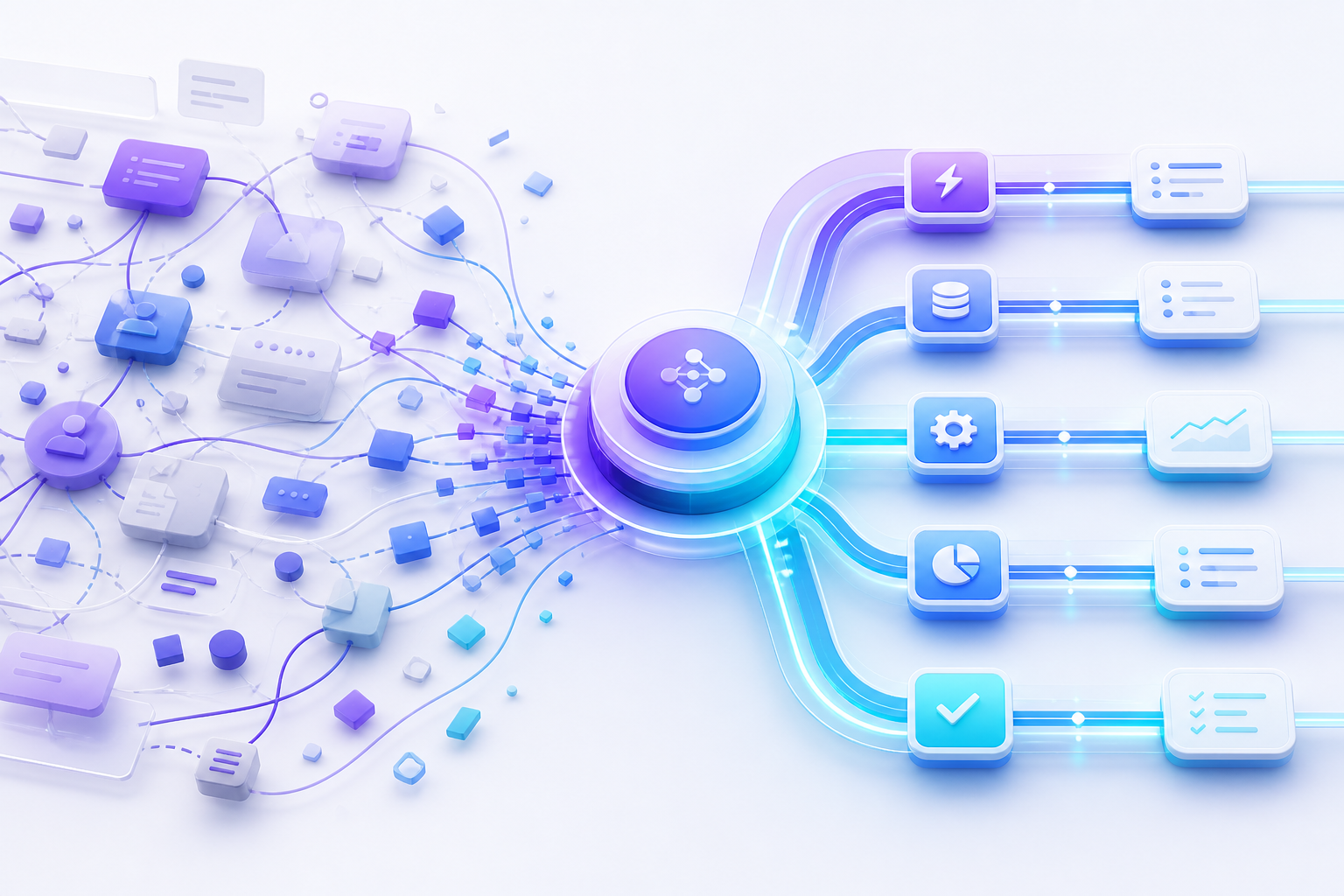
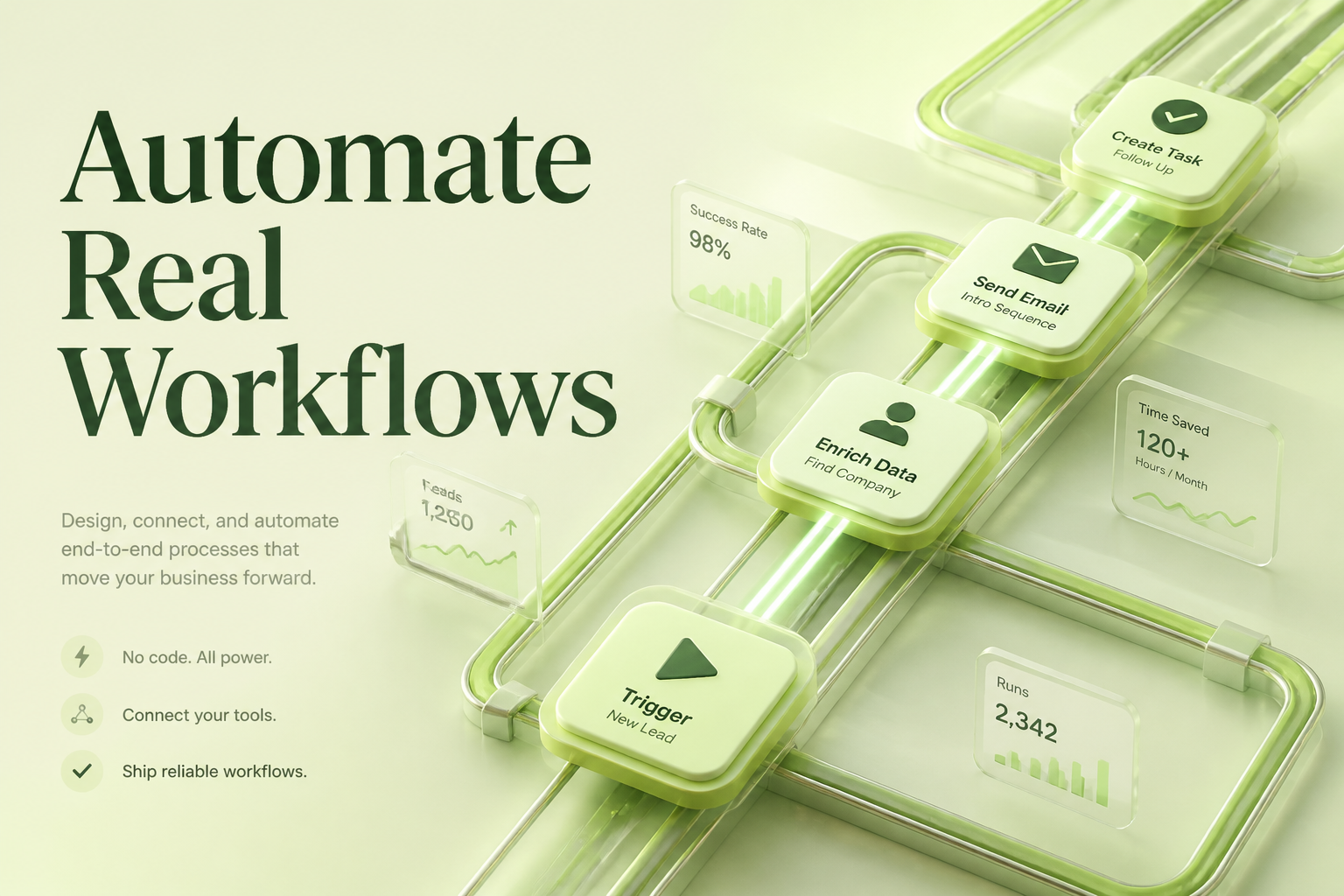
Multistep agent workflows on LangGraph and MCP, integrated with your existing systems through n8n and Make.
Tell us where your team loses the most time. We will get back to you within one business day.


AI automation is the use of large language models, tools, and orchestration to automate business processes that used to need human judgment. Reading documents, triaging support tickets, reconciling data, answering questions from internal knowledge, and running multistep workflows. An AI automation company designs, builds, and operates these systems for you, from the first pilot through production and support.
The gap between an automation demo and one you can trust with real work is governance and grounding. Here is how we close it.
The processes that pay off first are the ones that are high volume, language heavy, and full of small judgments a rule engine cannot make.
Buying a ready made tool is cheaper and faster for a standard, validated use case. Building custom wins when your workflow exceeds what a platform allows, when high volume makes task based pricing expensive, or when vendor lock in is a real long term risk. A sensible low risk path is to pilot on managed tooling, prove the outcome, and move the parts that matter onto a system you own once the use case is proven.
If the task is a rule based connection between apps, a no-code tool such as n8n, Make, or Zapier is the right start. When each step needs the system to reason about a goal, when you need full control, or when the workflow is complex or regulated, a code framework such as LangGraph is the better foundation. We work across both, and we tell you which fits rather than forcing everything into one.
Tell us where your team loses the most time. We will get back to you within one business day.
Talk to an Expert