
Telemedicine & Virtual Care
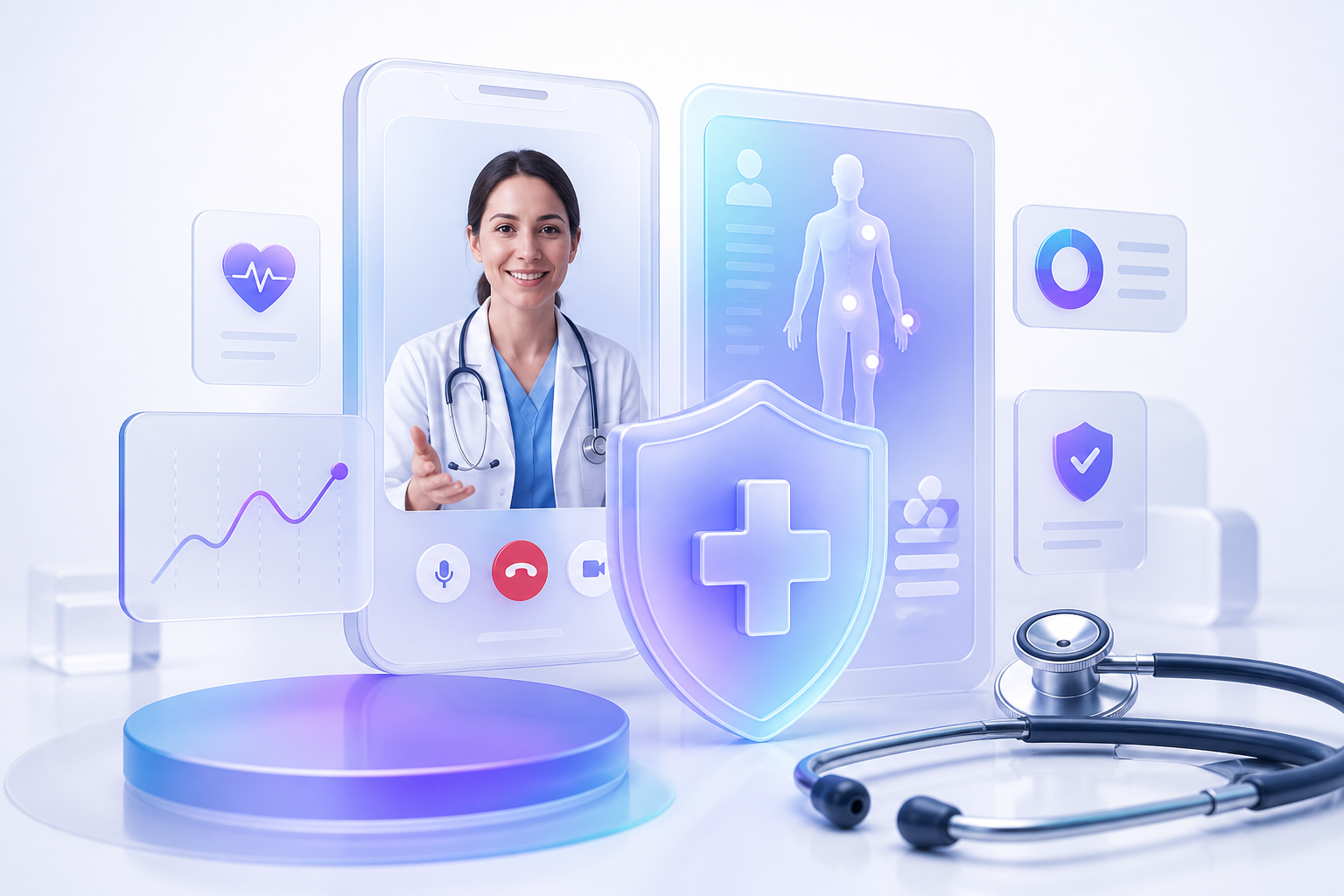
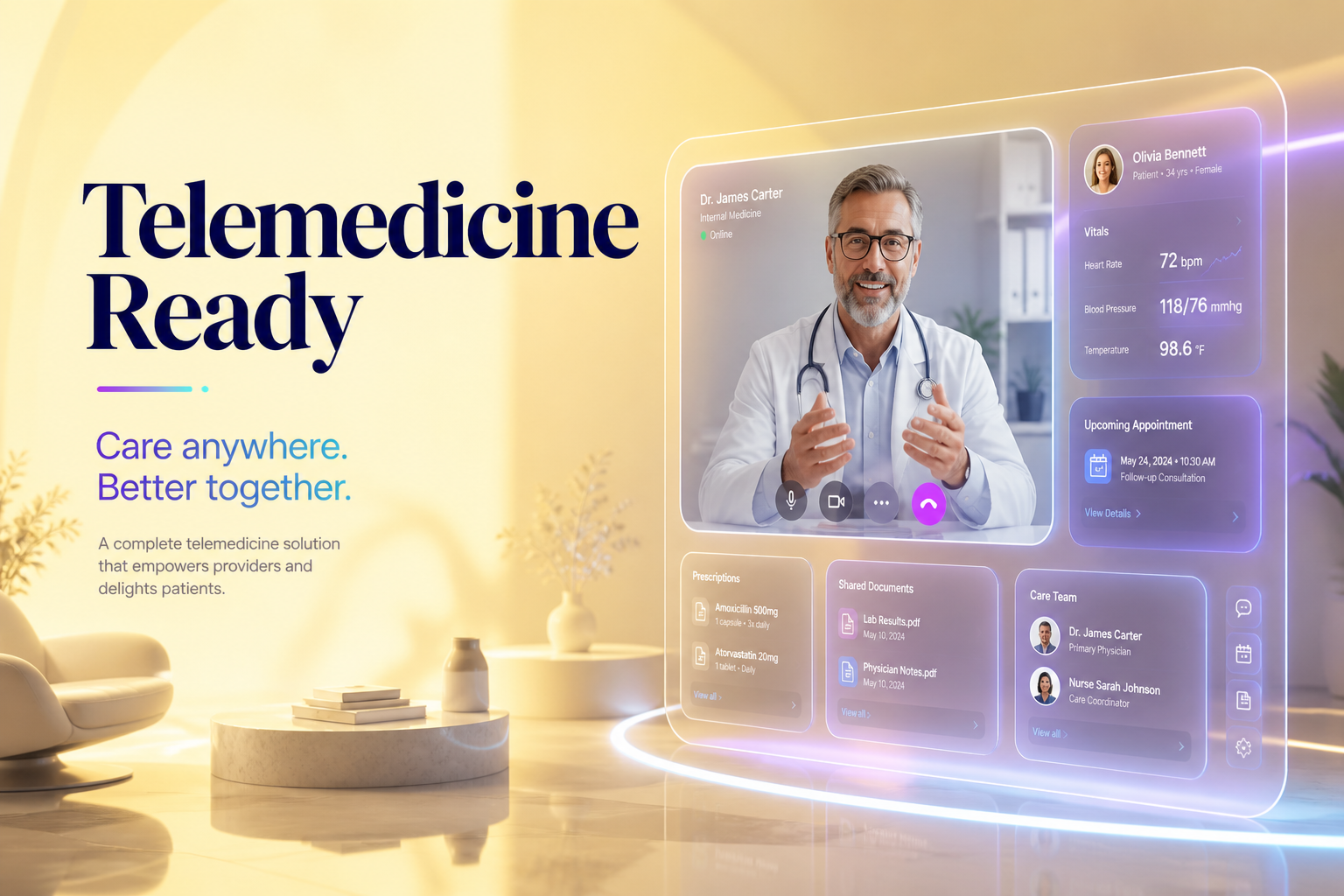
Secure video, messaging, scheduling, and e prescribing for virtual visits, built for privacy and reliability.
Quantum Infoway
We build telemedicine, remote monitoring, patient apps, and clinical tools with HIPAA ready security and HL7 and FHIR interoperability designed in from the first sprint.
We build telemedicine, remote monitoring, patient apps, and clinical tools with HIPAA ready security and HL7 and FHIR interoperability designed in from the first sprint.
Secure video, messaging, scheduling, and e prescribing for virtual visits, built for privacy and reliability.

Wearable and device data through FHIR, designed around the documentation that billing codes require.

HL7 and FHIR integration with systems such as Epic and Oracle Health, using SMART on FHIR where it fits.

Onboarding, education, reminders, and consumer health apps that patients actually keep using.

Provider portals, care coordination, and operations tools that run on the same trusted data.

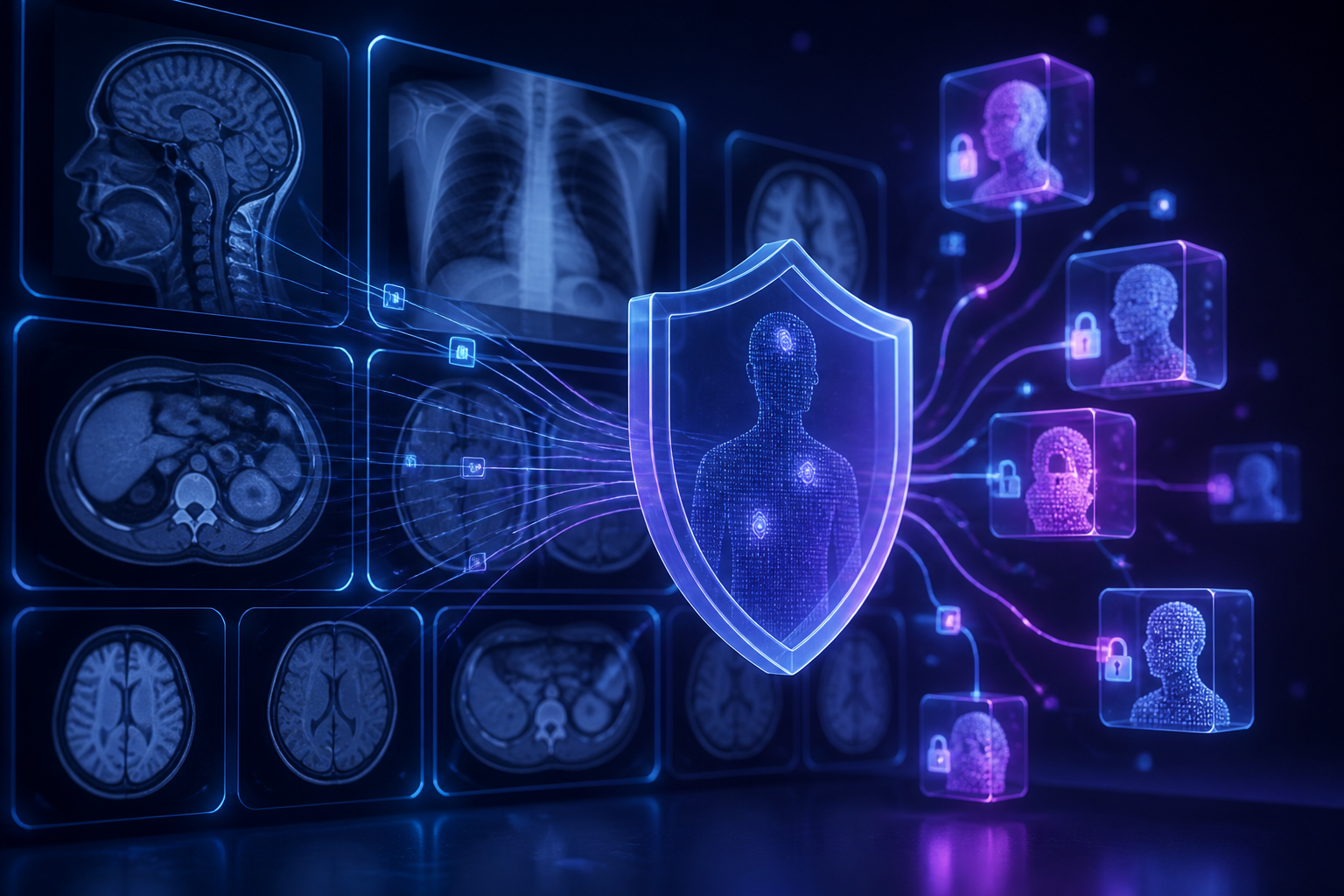
Grounded documentation, triage, and imaging AI with PHI protection, proven on our DICOM redaction work.
Tell us what you are building and which standards apply. We will get back to you within one business day.

A healthcare app development company builds the software that patients, clinicians, and health businesses depend on, where a single data field can be protected health information and a single bug can affect care. Telemedicine and virtual care, remote patient monitoring, patient engagement apps, clinical and provider tools, and the integrations that connect them to electronic health records. The work is different from ordinary app development in one way that matters. Every feature touches sensitive health data, so security, privacy, and interoperability are designed in from the first sprint, not bolted on before launch.
Most healthcare products stall not on features but on the security and interoperability work left for later. Here is the difference in how we build.
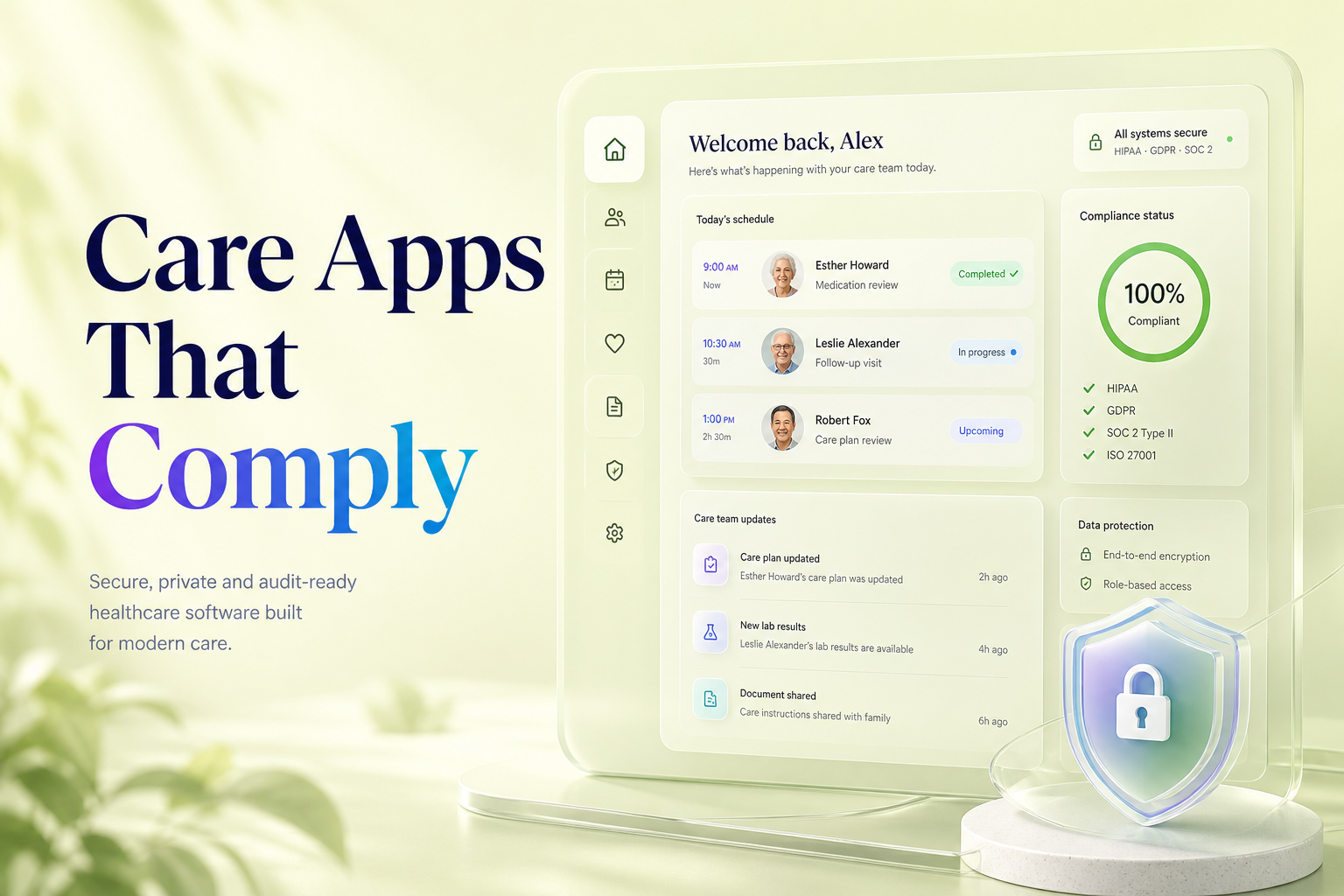
This is the point most vendors gloss over, so we state it plainly. A development partner builds HIPAA ready software and signs a business associate agreement for its role, but compliance itself is held by the covered entity. It depends on your policies, your workforce training, how access is granted and revoked, and how the system is operated day to day, not on the code alone. We build software that makes compliance achievable and we support your audits, and we are honest that the obligation ultimately sits with you.
No, and any vendor that claims a HIPAA certification is misleading you. The Office for Civil Rights, which enforces HIPAA, does not run a certification program and does not certify software or companies as HIPAA compliant. What exists is HIPAA ready software, built to satisfy the Privacy, Security, and Breach Notification Rules, delivered by a partner willing to sign a business associate agreement. Third party frameworks such as HITRUST or SOC 2 can be independently audited and certified, and they demonstrate strong controls, but they are not a HIPAA certificate either. We would rather tell you this plainly than sell you a badge that does not exist.
When protected health information needs to leave a clinical boundary, for analytics, research, or AI training, it has to be de-identified properly. HIPAA recognizes two methods, Safe Harbor, which removes a defined set of identifiers, and Expert Determination, where a qualified expert certifies the re identification risk is very small. We have built this for real. Our medical imaging PHI redaction pipeline detected protected health information across the surfaces of DICOM files, preserved diagnostic quality as a hard constraint, and produced a per file audit trail defensible in a compliance review. De-identification done wrong is a breach waiting to happen, so we treat it as an engineering discipline, not a checkbox.
Tell us what you are building and which standards apply. We will get back to you within one business day.
Talk to an Expert