
AI-Powered Incident Detection
AI monitors logs, metrics, and traces to detect anomalies before they become outages. Pattern recognition identifies root causes faster than human operators scrolling through dashboards.
Quantum Infoway
Our DevOps engineers build deployment pipelines, automate infrastructure, and implement monitoring that keeps your applications running smoothly. AI-assisted operations mean faster incident response and fewer production surprises.
AI monitors logs, metrics, and traces to detect anomalies before they become outages. Pattern recognition identifies root causes faster than human operators scrolling through dashboards.

AI continuously compares your running infrastructure against its declared state, catching configuration changes that could cause security vulnerabilities or outages.

AI analyzes build and deployment pipelines, identifying bottlenecks, flaky tests, and inefficient steps that slow your team's delivery velocity.

AI recommends scaling strategies based on traffic patterns and resource usage, balancing performance requirements against cloud spending.
Every engineer at Quantum Infoway uses AI as a core part of their engineering workflow. This is not about replacing developers with AI — it is about making experienced developers significantly more productive.

Automated build, test, and deployment pipelines with GitHub Actions, GitLab CI, or Jenkins. Branch strategies, environment promotion, and rollback procedures.

Docker containerization and Kubernetes deployment. Service discovery, health checks, rolling updates, and resource management for microservices.

Terraform and CloudFormation for version-controlled, peer-reviewed infrastructure. Reproducible environments from development to production.

Prometheus, Grafana, Datadog, or CloudWatch monitoring with alerting, dashboards, and SLA tracking. Distributed tracing for microservices.

Container scanning, secret management, network policies, and compliance automation. SOC 2, HIPAA, and PCI-DSS readiness for regulated environments.
Migrate workloads between clouds or from on-premise. Cost optimization, architecture modernization, and performance tuning for existing deployments.
Every engineer goes through the same four-stage funnel. Most do not make it past stage two.
Around 15 open roles at any time, each receiving roughly 200 applications per month through LinkedIn, AngelList, employee referrals, and outbound headhunting across India. India produces 1.5 million CS graduates a year, so sourcing is not the moat. Filtering is. Most applications are auto-filtered for stack relevance, years of experience, English, and time-zone overlap before any human reviews them.
Two-stage technical interview: a 90-minute live coding exercise tailored to the candidate’s primary stack, then a system-design discussion grounded in real production scenarios.
We ask candidates to walk through a recent production project: architecture decisions, what they would change in hindsight. We also run a background verification check through a third-party BGV agency to confirm prior employment, education, and identity.
A senior Quantum Infoway engineer shadows new hires for two weeks on an internal project. We watch how they respond to feedback, ask for help, and ship code. Fast learners stay.
A dedicated team of engineers makes up the active Quantum Infoway bench across stacks at any given time. New roles open as engagements complete or grow.
The process is designed to be fast, transparent, and low-risk — whether you need a DevOps engineer, a managed team, or a fixed-scope build.
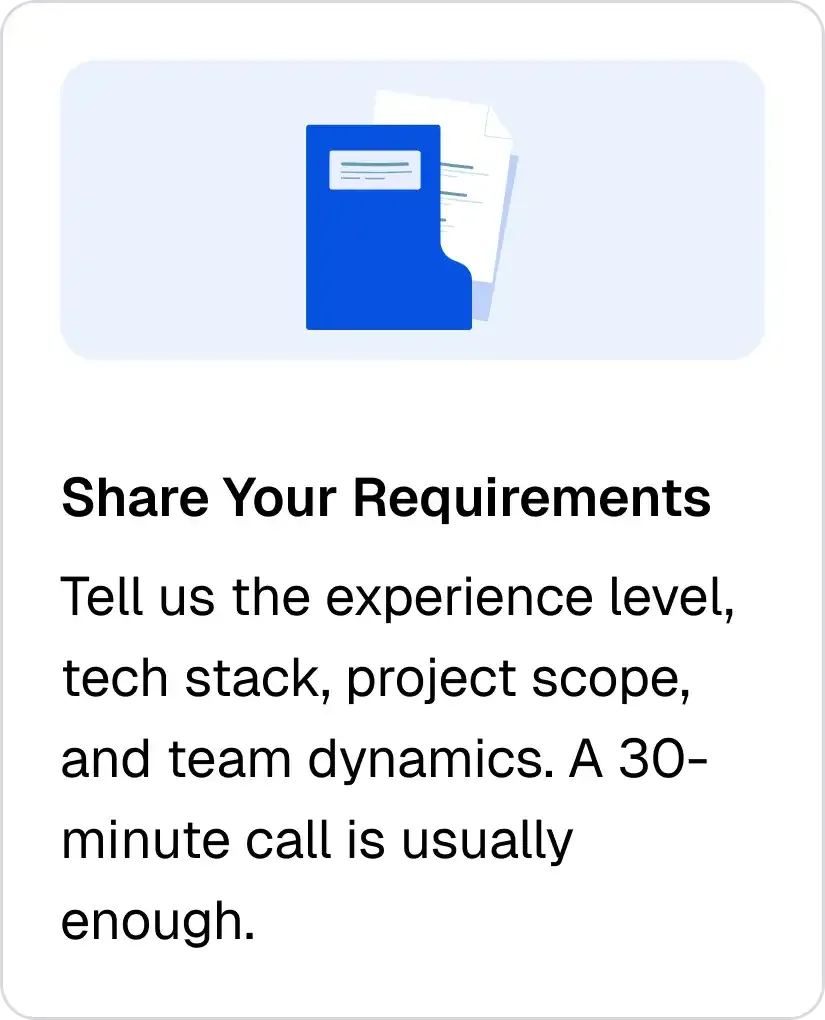
Tell us about the product, stack, timezone overlap, and whether you need a dedicated hire, managed team, or fixed-scope build.
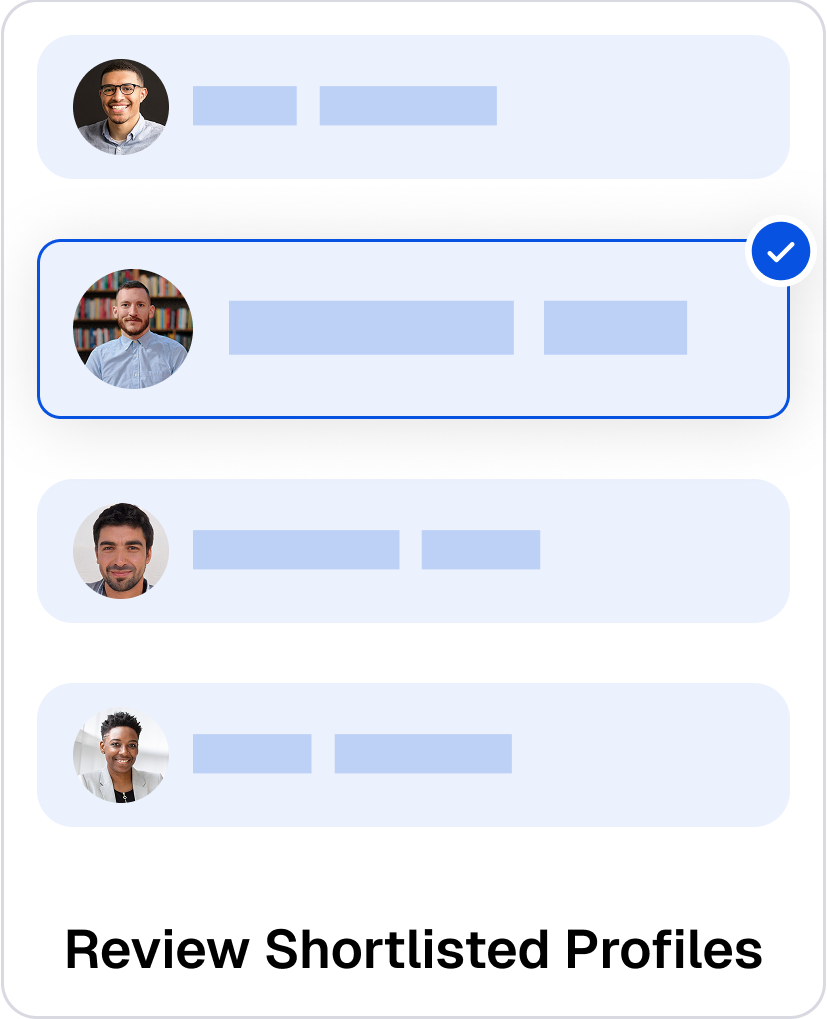
We match vetted candidates to your requirements and share profiles, sample work, and availability within a few business days.
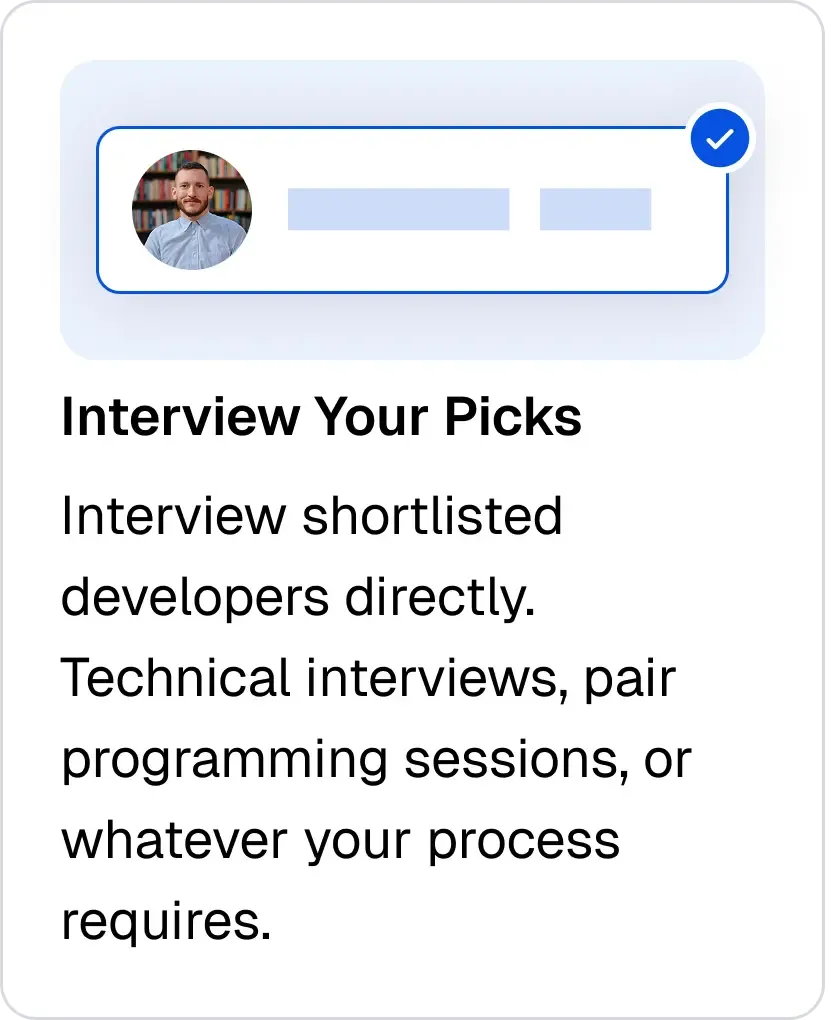
You interview directly. If the fit is not right, we continue until you are confident — no pressure to lock in early.
Onboarding into your tools and channels is typically complete within 14 business days. Engagements run monthly with flexible scale.

A DevOps developer works exclusively on your project, integrated with your team’s tools and workflows.
Best for: Ongoing DevOps ownership and iteration
We assemble and manage a DevOps team with a tech lead, handling delivery end-to-end against your requirements.
Best for: Building a DevOps product end-to-end with a lead
Fixed scope, timeline, and budget. We deliver the project and hand off the codebase with documentation.
Best for: New builds, rebuilds, and integration workQuantum Infoway scopes every engagement before any quote becomes final.
$25 to $50 per hour
Dedicated DevOps developers, by seniority
From $15,000
Focused builds with clear deliverables and documentation
US specialists typically bill $150 to $300 per hour for comparable DevOps scope. Every engagement is scoped individually before any number becomes a quote.
Get a scoped quote
Quantum Infoway matches you with vetted DevOps engineers who care about production quality and clear communication.
Talk to an Expert